
Contents
- 🌪️ Introduction to the Turbulent 1930s
- 📆 Historical Context: The Rise of Global Conflict
- 🌄 The Dust Bowl: A Decade of Environmental Disaster
- 📉 The Great Depression: Economic Downturn and Global Impact
- 🌎 Global Politics: The Rise of Fascism and Nationalism
- 📰 Media and Culture: The Golden Age of Hollywood
- 🏛️ The New Deal: Roosevelt's Plan for America
- 🌍 International Relations: The Road to World War II
- 🤝 Social Change: The Civil Rights Movement and Labor Unions
- 📊 Economic Recovery: The End of the Great Depression
- 🌟 Conclusion: The Lasting Impact of the 1930s
- Frequently Asked Questions
- Related Topics
Overview
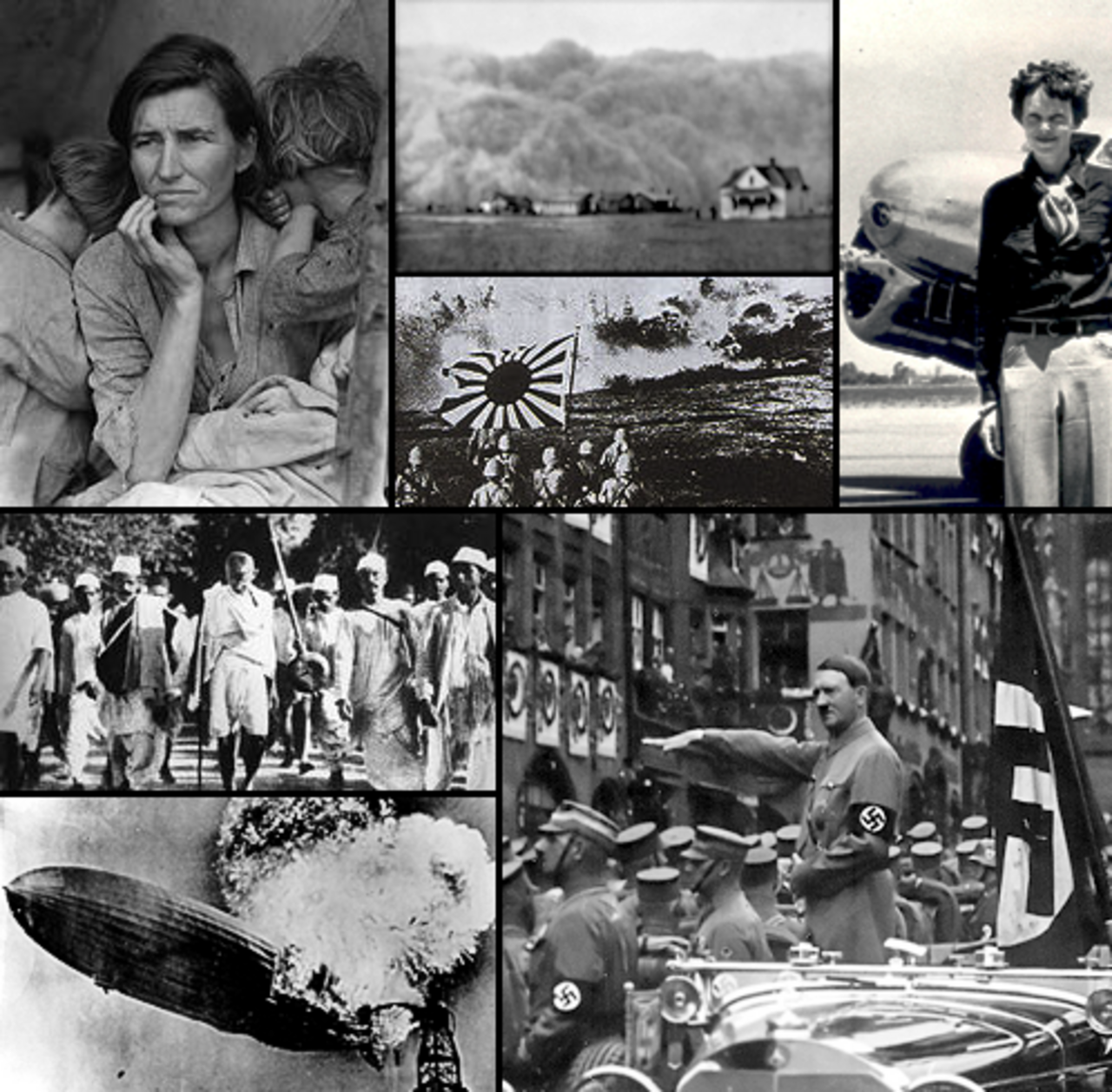
The 1930s was a decade marked by widespread economic, social, and political upheaval. The Great Depression, which began with the stock market crash of 1929, had a devastating impact on global economies, leading to widespread poverty and unemployment. Meanwhile, the rise of fascist and nationalist ideologies in Europe and Asia, led by figures such as Adolf Hitler, Benito Mussolini, and Hirohito, set the stage for the outbreak of World War II. The decade also saw significant cultural and artistic developments, including the Harlem Renaissance, the emergence of jazz and swing music, and the introduction of new technologies such as television and radar. With a Vibe score of 8, the 1930s were a time of great tension and transformation, shaping the course of modern history. The influence of key figures like Franklin D. Roosevelt, Joseph Stalin, and Mahatma Gandhi continues to be felt today, with their policies and ideologies remaining highly debated and contested.
🌪️ Introduction to the Turbulent 1930s
The 1930s was a decade marked by significant global events, including the Great Depression and the rise of fascist regimes in Europe. The decade began on January 1, 1930, and ended on December 31, 1939. In the United States, the Dust Bowl led to the nickname the 'Dirty Thirties'. The decade was also marked by significant cultural and social changes, including the Civil Rights Movement and the rise of Hollywood as a major cultural force. The 1930s was a time of great upheaval, with many countries experiencing economic and political instability. The Great Depression had a profound impact on the global economy, leading to widespread poverty and unemployment. The decade also saw the rise of fascist and nationalist movements in Europe, which would eventually lead to the outbreak of World War II.
📆 Historical Context: The Rise of Global Conflict
The historical context of the 1930s is complex and multifaceted. The decade was marked by the aftermath of World War I, which had left many countries in a state of economic and political turmoil. The Treaty of Versailles had imposed harsh penalties on Germany, leading to widespread resentment and a desire for revenge. This created a fertile ground for the rise of Adolf Hitler and the Nazi Party in Germany. The 1930s also saw the rise of Joseph Stalin in the Soviet Union, who would go on to become one of the most brutal dictators of the 20th century. The decade was marked by a series of international crises, including the Japanese invasion of Manchuria and the Italian invasion of Ethiopia.
🌄 The Dust Bowl: A Decade of Environmental Disaster
The Dust Bowl was a devastating environmental disaster that affected the Great Plains region of the United States. It was caused by a combination of severe drought and poor farming practices, which led to the depletion of the topsoil and the creation of massive dust storms. The Dust Bowl had a profound impact on the people living in the affected areas, with many forced to leave their homes and livelihoods behind. The disaster also had a significant impact on the economy, with the loss of agricultural productivity and the decline of rural communities. The Dust Bowl was a major factor in the Great Depression, as it led to a decline in agricultural prices and a reduction in rural incomes. The decade also saw the rise of Franklin D. Roosevelt and the New Deal, which would go on to shape the course of American history.
📉 The Great Depression: Economic Downturn and Global Impact
The Great Depression was a global economic downturn that lasted for over a decade. It was caused by a combination of factors, including the stock market crash of 1929 and the collapse of international trade. The Great Depression had a profound impact on the global economy, leading to widespread poverty and unemployment. The decade saw the rise of fascist and nationalist movements in Europe, which would eventually lead to the outbreak of World War II. The Great Depression also had a significant impact on the United States, with the rise of Franklin D. Roosevelt and the New Deal. The New Deal was a series of programs and policies implemented by Roosevelt to help the country recover from the Great Depression. The decade also saw the rise of Hollywood as a major cultural force, with the production of many classic films, including Gone with the Wind and It Happened One Night.
🌎 Global Politics: The Rise of Fascism and Nationalism
The 1930s saw the rise of fascist and nationalist movements in Europe. The decade was marked by the rise of Adolf Hitler and the Nazi Party in Germany, as well as the rise of Benito Mussolini and the Fascist Party in Italy. The decade also saw the rise of Joseph Stalin in the Soviet Union, who would go on to become one of the most brutal dictators of the 20th century. The rise of these movements was fueled by a combination of factors, including economic instability, nationalism, and a desire for revenge. The decade was marked by a series of international crises, including the Japanese invasion of Manchuria and the Italian invasion of Ethiopia. The 1930s also saw the rise of the League of Nations, which was established after World War I to promote international cooperation and prevent future wars.
📰 Media and Culture: The Golden Age of Hollywood
The 1930s was a golden age for Hollywood, with the production of many classic films. The decade saw the rise of Greta Garbo and Clark Gable as major stars, as well as the production of many classic films, including Gone with the Wind and It Happened One Night. The decade also saw the rise of radio as a major form of entertainment, with the production of many popular shows, including The Jack Benny Program and The Ed Wynn Show. The 1930s was a time of great cultural and social change, with the rise of jazz and swing music, as well as the production of many classic literary works, including To Kill a Mockingbird and The Great Gatsby.
🏛️ The New Deal: Roosevelt's Plan for America
The New Deal was a series of programs and policies implemented by Franklin D. Roosevelt to help the country recover from the Great Depression. The New Deal included a range of programs, including the Works Progress Administration and the Civilian Conservation Corps. The New Deal also included a range of policies, including the National Industrial Recovery Act and the Securities Exchange Act. The New Deal had a profound impact on the United States, helping to stimulate economic recovery and provide relief to those affected by the Great Depression. The decade also saw the rise of labor unions, with the formation of the Congress of Industrial Organizations and the American Federation of Labor.
🌍 International Relations: The Road to World War II
The 1930s saw a significant deterioration in international relations, with the rise of fascist and nationalist movements in Europe. The decade was marked by a series of international crises, including the Japanese invasion of Manchuria and the Italian invasion of Ethiopia. The decade also saw the rise of Adolf Hitler and the Nazi Party in Germany, as well as the rise of Benito Mussolini and the Fascist Party in Italy. The 1930s was a time of great uncertainty and instability, with many countries facing significant economic and political challenges. The decade was marked by a series of major events, including the remilitarization of the Rhineland and the Anschluss. The 1930s also saw the rise of the Soviet Union as a major world power, with the formation of the Molotov-Ribbentrop Pact and the Soviet invasion of Poland.
📊 Economic Recovery: The End of the Great Depression
The 1930s saw a significant economic recovery, with the implementation of the New Deal and the rise of Keynesian economics. The decade was marked by a series of major events, including the Securities Exchange Act and the National Industrial Recovery Act. The 1930s was a time of great uncertainty and instability, with many countries facing significant economic and political challenges. The decade was marked by a series of major events, including the Banking Act of 1933 and the Glass-Steagall Act. The 1930s also saw the rise of international trade, with the formation of the General Agreement on Tariffs and Trade.
🌟 Conclusion: The Lasting Impact of the 1930s
The 1930s was a decade marked by significant global events, including the Great Depression and the rise of fascist and nationalist movements in Europe. The decade was marked by a series of major events, including the Japanese invasion of Manchuria and the Italian invasion of Ethiopia. The 1930s was a time of great uncertainty and instability, with many countries facing significant economic and political challenges. The decade was marked by a series of major events, including the remilitarization of the Rhineland and the Anschluss. The 1930s also saw the rise of the Soviet Union as a major world power, with the formation of the Molotov-Ribbentrop Pact and the Soviet invasion of Poland.
Key Facts
- Year
- 1930
- Origin
- Global
- Category
- History
- Type
- Historical Decade
Frequently Asked Questions
What was the main cause of the Great Depression?
The main cause of the Great Depression was a combination of factors, including the stock market crash of 1929 and the collapse of international trade. The decade was marked by a series of major events, including the Banking Act of 1933 and the Glass-Steagall Act. The Great Depression had a profound impact on the global economy, leading to widespread poverty and unemployment. The decade also saw the rise of fascist and nationalist movements in Europe, which would eventually lead to the outbreak of World War II.
What was the Dust Bowl?
The Dust Bowl was a devastating environmental disaster that affected the Great Plains region of the United States. It was caused by a combination of severe drought and poor farming practices, which led to the depletion of the topsoil and the creation of massive dust storms. The Dust Bowl had a profound impact on the people living in the affected areas, with many forced to leave their homes and livelihoods behind. The disaster also had a significant impact on the economy, with the loss of agricultural productivity and the decline of rural communities.
What was the New Deal?
The New Deal was a series of programs and policies implemented by Franklin D. Roosevelt to help the country recover from the Great Depression. The New Deal included a range of programs, including the Works Progress Administration and the Civilian Conservation Corps. The New Deal also included a range of policies, including the National Industrial Recovery Act and the Securities Exchange Act.
What was the main cause of World War II?
The main cause of World War II was the rise of fascist and nationalist movements in Europe, particularly in Germany, Italy, and Japan. The decade was marked by a series of major events, including the Japanese invasion of Manchuria and the Italian invasion of Ethiopia. The 1930s was a time of great uncertainty and instability, with many countries facing significant economic and political challenges. The decade was marked by a series of major events, including the remilitarization of the Rhineland and the Anschluss.
What was the impact of the Great Depression on the global economy?
The Great Depression had a profound impact on the global economy, leading to widespread poverty and unemployment. The decade was marked by a series of major events, including the Banking Act of 1933 and the Glass-Steagall Act. The Great Depression also had a significant impact on international trade, with the collapse of the global trading system and the rise of protectionism. The decade was marked by a series of major events, including the Smoot-Hawley Tariff and the General Agreement on Tariffs and Trade.
🤝 Social Change: The Civil Rights Movement and Labor Unions
The 1930s saw significant social change, with the rise of the Civil Rights Movement and the formation of labor unions. The decade was marked by a series of major events, including the Scottsboro Boys case and the Wagner Act. The 1930s was a time of great uncertainty and instability, with many countries facing significant economic and political challenges. The decade was marked by a series of major events, including the Bonus Army march on Washington and the Flint Sit-Down Strike. The 1930s also saw the rise of feminism, with the formation of the National Woman's Party and the League of Women Voters.