
Contents
- 🌪️ Introduction to the 2009 Global Recession
- 📉 Causes of the Recession: A Complex Web
- 🏦 Role of Banks and Financial Institutions
- 📊 Global Trade and Economic Interdependence
- 💸 Government Responses and Bailouts
- 📈 Recovery Efforts and Stimulus Packages
- 🌎 International Cooperation and Regulatory Reforms
- 📊 Economic Impact: Unemployment, Inequality, and Beyond
- 📰 Media Coverage and Public Perception
- 📚 Lessons Learned and Future Implications
- 🔮 Preventing Future Recessions: A Global Challenge
- Frequently Asked Questions
- Related Topics
Overview
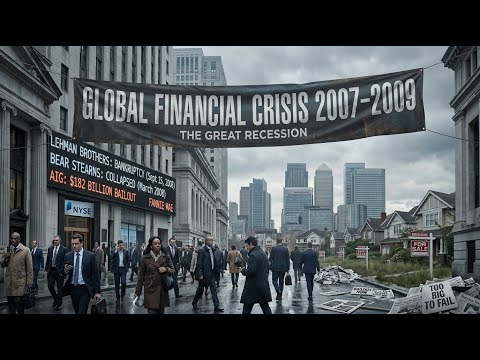
The 2009 global recession, also known as the Great Recession, was a seismic event that shook the foundations of the global economy. Triggered by a housing market bubble in the United States, the crisis quickly spread to other countries, exposing deep-seated flaws in the financial system. The collapse of Lehman Brothers in September 2008 marked a turning point, as credit markets froze and trade plummeted. According to the International Monetary Fund (IMF), global trade declined by 12.2% in 2009, while the World Bank estimated that the recession pushed 64 million people into extreme poverty. The recession was exacerbated by the proliferation of toxic assets, such as subprime mortgage-backed securities, which had been packaged and sold to investors around the world. As the crisis deepened, governments and central banks were forced to intervene with unprecedented measures, including massive bailouts and quantitative easing, to prevent a complete collapse of the financial system. The recession ultimately lasted for 18 months, with the global economy contracting by 1.7% in 2009, according to the World Bank. The aftermath of the crisis saw a significant increase in government debt, with the US debt-to-GDP ratio rising from 39% in 2008 to 62% in 2010, and a shift towards more stringent financial regulations, including the Dodd-Frank Act in the United States.
🌪️ Introduction to the 2009 Global Recession
The 2009 Global Recession, also known as the Great Recession, was a period of significant economic downturn that lasted from 2007 to 2009. It was triggered by a combination of factors, including the housing market bubble burst, subprime lending practices, and excessive leverage in the financial system. The crisis led to a global credit crunch, with many banks and financial institutions facing bankruptcy. The recession had a profound impact on the global economy, with widespread unemployment, poverty, and inequality. To understand the causes of the recession, it is essential to examine the global economic system and the role of financial regulation.
📉 Causes of the Recession: A Complex Web
The causes of the 2009 Global Recession were complex and multifaceted. The housing market bubble, fueled by subprime lending and securitization, played a significant role in the crisis. The credit rating agencies also failed to accurately assess the risk of these securities, contributing to the crisis. Furthermore, the deregulation of the financial sector, particularly in the United States, allowed banks to engage in risky behaviors with minimal oversight. The global imbalance in trade and capital flows also contributed to the crisis, as countries like China and Germany accumulated large trade surpluses, while countries like the United States and Spain ran large trade deficits.
🏦 Role of Banks and Financial Institutions
The role of banks and financial institutions in the 2009 Global Recession was significant. Many banks had invested heavily in subprime mortgages and other toxic assets, which became worthless when the housing market collapsed. The credit crunch that followed made it difficult for banks to lend to each other, let alone to consumers and businesses. The Federal Reserve and other central banks were forced to intervene with monetary policy measures, such as quantitative easing, to stabilize the financial system. The banking sector also underwent significant regulatory reform, including the passage of the Dodd-Frank Act in the United States.
📊 Global Trade and Economic Interdependence
The 2009 Global Recession highlighted the importance of global trade and economic interdependence. The crisis showed how a problem in one country or region could quickly spread to other parts of the world, due to the interconnectedness of the global economy. The World Trade Organization and other international institutions played a crucial role in promoting free trade and preventing protectionism during the crisis. The G20 summit, which brought together leaders from the world's largest economies, also helped to coordinate a global response to the crisis. However, the crisis also highlighted the need for greater international cooperation and regulatory reform to prevent similar crises in the future.
💸 Government Responses and Bailouts
The government responses to the 2009 Global Recession were significant and varied. The United States government passed the American Recovery and Reinvestment Act, a stimulus package worth over $800 billion, to boost economic growth and create jobs. The Federal Reserve also implemented monetary policy measures, such as quantitative easing, to stabilize the financial system. Other countries, such as China and Germany, also implemented stimulus packages and monetary policy measures to respond to the crisis. However, the effectiveness of these measures was debated, with some arguing that they were insufficient or poorly targeted.
📈 Recovery Efforts and Stimulus Packages
The recovery efforts from the 2009 Global Recession were slow and uneven. The United States economy, for example, experienced a slow and jobless recovery, with high levels of unemployment and inequality persisting for many years. The European Union also struggled with a sovereign debt crisis, particularly in countries such as Greece and Spain. However, some countries, such as China and India, experienced rapid economic growth and emerged from the crisis relatively unscathed. The International Monetary Fund and other international institutions played a crucial role in promoting economic stability and providing financial support to countries in need.
🌎 International Cooperation and Regulatory Reforms
The 2009 Global Recession highlighted the need for greater international cooperation and regulatory reform. The G20 summit, which brought together leaders from the world's largest economies, helped to coordinate a global response to the crisis. The Basel III accord, which set new capital and liquidity standards for banks, was also implemented to prevent similar crises in the future. However, the crisis also highlighted the challenges of achieving greater international cooperation and regulatory reform, particularly in the face of nationalism and protectionism.
📊 Economic Impact: Unemployment, Inequality, and Beyond
The economic impact of the 2009 Global Recession was significant and far-reaching. The crisis led to high levels of unemployment, poverty, and inequality, particularly in countries such as the United States and Spain. The crisis also had a disproportionate impact on certain groups, such as youth and low-income households. The global economic system was also affected, with many countries experiencing a decline in economic growth and an increase in public debt. However, the crisis also led to a renewed focus on sustainable development and social protection, particularly in the context of the United Nations Sustainable Development Goals.
📰 Media Coverage and Public Perception
The media coverage of the 2009 Global Recession was extensive and varied. The crisis was widely reported in the mainstream media, with many newspapers and television stations providing in-depth coverage of the crisis. The social media also played a significant role in shaping public perception of the crisis, with many people using platforms such as Twitter and Facebook to share information and opinions about the crisis. However, the media coverage was also criticized for being overly sensationalized and polarized, with some arguing that it contributed to a lack of understanding and misinformation about the crisis.
📚 Lessons Learned and Future Implications
The 2009 Global Recession provided many lessons for policymakers, economists, and the general public. The crisis highlighted the importance of regulatory reform and international cooperation in preventing similar crises in the future. The crisis also showed the need for greater fiscal policy flexibility and monetary policy coordination to respond to economic shocks. However, the crisis also raised questions about the neoliberal economics paradigm and the role of globalization in promoting economic growth and stability. The post-Keynesian economics school, which emphasizes the importance of government intervention and social protection, gained renewed attention in the aftermath of the crisis.
🔮 Preventing Future Recessions: A Global Challenge
Preventing future recessions will require a concerted effort from policymakers, economists, and the general public. The International Monetary Fund and other international institutions have called for greater international cooperation and regulatory reform to prevent similar crises in the future. The G20 summit has also played a crucial role in promoting economic stability and coordinating a global response to economic shocks. However, the challenge of preventing future recessions will require a fundamental transformation of the global economic system, including a greater emphasis on sustainable development, social protection, and economic equity.
Key Facts
- Year
- 2009
- Origin
- United States
- Category
- Economics
- Type
- Economic Event
Frequently Asked Questions
What were the main causes of the 2009 Global Recession?
The main causes of the 2009 Global Recession were the housing market bubble burst, subprime lending practices, and excessive leverage in the financial system. The crisis was also exacerbated by the global imbalance in trade and capital flows, as well as the deregulation of the financial sector. The credit rating agencies also failed to accurately assess the risk of these securities, contributing to the crisis.
How did the 2009 Global Recession affect different countries and regions?
The 2009 Global Recession had a significant impact on many countries and regions, with some experiencing more severe economic downturns than others. The United States, for example, experienced a slow and jobless recovery, while countries such as China and India experienced rapid economic growth and emerged from the crisis relatively unscathed. The European Union also struggled with a sovereign debt crisis, particularly in countries such as Greece and Spain.
What were the main government responses to the 2009 Global Recession?
The main government responses to the 2009 Global Recession included the passage of stimulus packages, such as the American Recovery and Reinvestment Act in the United States, and the implementation of monetary policy measures, such as quantitative easing. The Federal Reserve and other central banks also played a crucial role in stabilizing the financial system and promoting economic recovery.
What were the main lessons learned from the 2009 Global Recession?
The main lessons learned from the 2009 Global Recession include the importance of regulatory reform and international cooperation in preventing similar crises in the future. The crisis also highlighted the need for greater fiscal policy flexibility and monetary policy coordination to respond to economic shocks. The post-Keynesian economics school, which emphasizes the importance of government intervention and social protection, gained renewed attention in the aftermath of the crisis.
How can future recessions be prevented?
Preventing future recessions will require a concerted effort from policymakers, economists, and the general public. The International Monetary Fund and other international institutions have called for greater international cooperation and regulatory reform to prevent similar crises in the future. The G20 summit has also played a crucial role in promoting economic stability and coordinating a global response to economic shocks. However, the challenge of preventing future recessions will require a fundamental transformation of the global economic system, including a greater emphasis on sustainable development, social protection, and economic equity.
What is the current state of the global economy?
The current state of the global economy is complex and multifaceted. While some countries, such as China and India, continue to experience rapid economic growth, others, such as the United States and Europe, are facing significant economic challenges, including high levels of unemployment and inequality. The global economic system is also facing significant challenges, including the rise of nationalism and protectionism, which could threaten the stability of the global economy.
What are the main risks facing the global economy?
The main risks facing the global economy include the rise of nationalism and protectionism, which could threaten the stability of the global economy. The global economic system is also facing significant challenges, including high levels of public debt, inequality, and climate change. The International Monetary Fund and other international institutions have warned of the risks of a global economic downturn, particularly if policymakers fail to address these challenges.