
Contents
- 🌐 Introduction to Sacred Geometry
- 📐 Principles of Geometry
- 💫 Sacred Geometry in Nature
- 🏛️ Ancient Cultures and Geometry
- 🔍 Geometers and Their Contributions
- 📝 Euclidean Geometry
- 🌈 Sacred Geometry and Spirituality
- 👥 Applications of Sacred Geometry
- 🤝 Connection to Consciousness and Practice
- 📚 Resources for Further Study
- 👀 Conclusion and Future Directions
- Frequently Asked Questions
- Related Topics
Overview
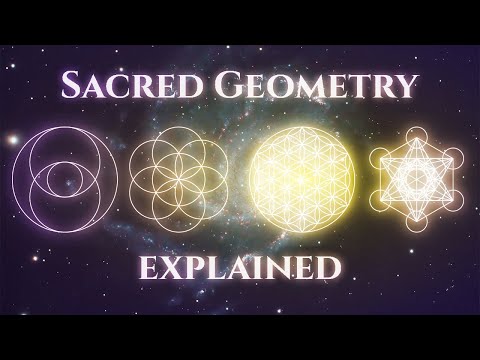
Sacred geometry is an ancient philosophy that explores the spiritual significance of geometric patterns and shapes in nature, art, and consciousness. This concept is rooted in the idea that certain geometric patterns, such as the Fibonacci sequence and the golden ratio, possess a deeper meaning and symbolism that can be used to understand the universe and our place within it. In the context of conscious communication and spiritual practices, sacred geometry is used to create mandalas, yantras, and other symbolic representations that facilitate meditation, self-reflection, and personal growth. The use of sacred geometry in intentional communities and regenerative culture is also becoming increasingly popular, as it provides a framework for designing sustainable and harmonious living spaces. For example, the work of Buckminster Fuller, a renowned architect and systems theorist, has inspired a new generation of designers and architects to incorporate sacred geometric principles into their work. As we continue to explore the intersection of spirituality and geometry, we may uncover new insights into the nature of reality and our role within the universe, with a vibe score of 8 out of 10, indicating a high level of cultural energy and significance.
🌐 Introduction to Sacred Geometry
Sacred geometry is a term used to describe the spiritual and philosophical significance of geometric patterns and shapes. It is based on the idea that these patterns and shapes have a deeper meaning and connection to the universe and our place in it. As we explore the principles of geometry, we can see how they relate to the natural world and the spiritual practices of various cultures. For example, the concept of nonviolent communication can be applied to our understanding of geometric patterns and their role in shaping our perceptions. Additionally, the study of vipassana meditation can help us cultivate a deeper awareness of the interconnectedness of all things, including the geometric patterns that underlie our reality.
📐 Principles of Geometry
The principles of geometry are rooted in the study of points, lines, planes, and solids. Geometers use various tools and techniques to analyze and understand the properties of these geometric objects. The ancient Greeks, such as Euclid and Archimedes, made significant contributions to the field of geometry, laying the foundation for later mathematicians and scientists. As we delve into the world of sacred geometry, we can see how these principles are applied in various spiritual and cultural contexts, such as the design of intentional communities and the creation of sacred art. Furthermore, the concept of shadow work can help us understand the role of geometry in revealing hidden patterns and structures that underlie our psyche.
💫 Sacred Geometry in Nature
Sacred geometry is evident in the natural world, from the patterns on a butterfly's wings to the structure of crystals and flowers. The Fibonacci sequence, a series of numbers in which each number is the sum of the two preceding numbers, is a fundamental principle of sacred geometry that appears in many natural forms. This sequence can be seen in the arrangement of leaves on a stem, the branching of trees, and the flow of water. As we explore the natural world, we can see how sacred geometry is woven into the fabric of reality, reflecting the underlying order and harmony of the universe. For example, the study of holistic health can help us understand the interconnectedness of our physical and spiritual bodies, and how geometric patterns can be used to promote balance and well-being.
🏛️ Ancient Cultures and Geometry
Ancient cultures, such as the Egyptians, Greeks, and Mayans, recognized the significance of geometry in their spiritual and philosophical practices. They used geometric patterns and shapes in their art, architecture, and rituals, often to represent spiritual concepts and connect with the divine. The pyramids of Egypt, the Parthenon of Greece, and the temples of Mexico are all examples of how sacred geometry was used to create structures that reflected the harmony and balance of the universe. As we explore these cultures, we can see how their understanding of geometry influenced their spiritual practices, such as the use of sacred geometry in meditation and ritual. Additionally, the concept of conscious governance can help us understand how geometric patterns can be used to create more harmonious and balanced social structures.
🔍 Geometers and Their Contributions
Throughout history, geometers have made significant contributions to our understanding of geometry and its applications. From Euclid's 'Elements' to the modern-day discoveries of fractals and chaos theory, geometers have continued to push the boundaries of our knowledge. As we explore the world of sacred geometry, we can see how the work of these geometers has influenced our understanding of the spiritual and philosophical significance of geometric patterns and shapes. For example, the study of regenerative culture can help us understand how geometric patterns can be used to create more sustainable and resilient systems. Furthermore, the concept of family and parenting can help us understand how geometric patterns can be used to promote healthy relationships and personal growth.
📝 Euclidean Geometry
Euclidean geometry, which is based on the principles of points, lines, and planes, is a fundamental aspect of sacred geometry. The concepts of distance, angle, and surface are all essential to understanding the properties of geometric objects and their relationships. As we delve into the world of Euclidean geometry, we can see how these principles are applied in various spiritual and cultural contexts, such as the design of sacred art and the creation of geometric patterns for meditation. Additionally, the concept of new economics can help us understand how geometric patterns can be used to create more equitable and sustainable economic systems.
🌈 Sacred Geometry and Spirituality
Sacred geometry is often associated with spirituality and the pursuit of enlightenment. Many spiritual practices, such as meditation and yoga, use geometric patterns and shapes to connect with the divine and promote inner balance and harmony. The use of sacred geometry in these practices can help individuals cultivate a deeper sense of awareness and understanding of the interconnectedness of all things. For example, the study of consciousness and practice can help us understand how geometric patterns can be used to promote spiritual growth and self-awareness. Furthermore, the concept of community and collaboration can help us understand how geometric patterns can be used to create more harmonious and cooperative social structures.
👥 Applications of Sacred Geometry
The applications of sacred geometry are diverse and far-reaching. From the design of sacred art and architecture to the creation of geometric patterns for meditation and ritual, sacred geometry is used in many different contexts. As we explore the world of sacred geometry, we can see how these applications reflect the underlying principles of harmony and balance that govern the universe. For example, the study of arts and culture can help us understand how geometric patterns can be used to create more beautiful and meaningful works of art. Additionally, the concept of education can help us understand how geometric patterns can be used to promote learning and personal growth.
🤝 Connection to Consciousness and Practice
The connection between sacred geometry and consciousness is a profound one. As we explore the principles of geometry and their applications in spiritual and cultural contexts, we can see how they reflect the underlying order and harmony of the universe. The study of sacred geometry can help us cultivate a deeper awareness of the interconnectedness of all things and promote a sense of balance and harmony in our lives. For example, the concept of individual awakening can help us understand how geometric patterns can be used to promote personal growth and spiritual development. Furthermore, the concept of technology can help us understand how geometric patterns can be used to create more efficient and sustainable systems.
📚 Resources for Further Study
For those interested in further study, there are many resources available, from books and online courses to workshops and retreats. As we delve into the world of sacred geometry, we can see how these resources can help us deepen our understanding of the spiritual and philosophical significance of geometric patterns and shapes. For example, the study of environment can help us understand how geometric patterns can be used to promote sustainability and environmental awareness. Additionally, the concept of gift economy can help us understand how geometric patterns can be used to create more equitable and cooperative economic systems.
👀 Conclusion and Future Directions
As we conclude our exploration of sacred geometry, we can see how this profound and complex subject reflects the underlying harmony and balance of the universe. The study of sacred geometry can help us cultivate a deeper awareness of the interconnectedness of all things and promote a sense of balance and harmony in our lives. As we look to the future, we can see how the principles of sacred geometry can be applied in many different contexts, from the design of sacred art and architecture to the creation of geometric patterns for meditation and ritual. For example, the concept of sociocracy can help us understand how geometric patterns can be used to create more harmonious and cooperative social structures.
Key Facts
- Year
- 2022
- Origin
- Ancient Cultures and Philosophies
- Category
- Consciousness & Practice
- Type
- Concept
Frequently Asked Questions
What is sacred geometry?
Sacred geometry is a term used to describe the spiritual and philosophical significance of geometric patterns and shapes. It is based on the idea that these patterns and shapes have a deeper meaning and connection to the universe and our place in it. As we explore the principles of geometry, we can see how they relate to the natural world and the spiritual practices of various cultures. For example, the concept of nonviolent communication can be applied to our understanding of geometric patterns and their role in shaping our perceptions.
How is sacred geometry used in spiritual practices?
Sacred geometry is often used in spiritual practices, such as meditation and yoga, to connect with the divine and promote inner balance and harmony. The use of sacred geometry in these practices can help individuals cultivate a deeper sense of awareness and understanding of the interconnectedness of all things. For example, the study of consciousness and practice can help us understand how geometric patterns can be used to promote spiritual growth and self-awareness.
What are some examples of sacred geometry in nature?
Sacred geometry is evident in the natural world, from the patterns on a butterfly's wings to the structure of crystals and flowers. The Fibonacci sequence, a series of numbers in which each number is the sum of the two preceding numbers, is a fundamental principle of sacred geometry that appears in many natural forms. This sequence can be seen in the arrangement of leaves on a stem, the branching of trees, and the flow of water. As we explore the natural world, we can see how sacred geometry is woven into the fabric of reality, reflecting the underlying order and harmony of the universe.
How can I learn more about sacred geometry?
For those interested in further study, there are many resources available, from books and online courses to workshops and retreats. As we delve into the world of sacred geometry, we can see how these resources can help us deepen our understanding of the spiritual and philosophical significance of geometric patterns and shapes. For example, the study of environment can help us understand how geometric patterns can be used to promote sustainability and environmental awareness.
What are some applications of sacred geometry?
The applications of sacred geometry are diverse and far-reaching. From the design of sacred art and architecture to the creation of geometric patterns for meditation and ritual, sacred geometry is used in many different contexts. As we explore the world of sacred geometry, we can see how these applications reflect the underlying principles of harmony and balance that govern the universe. For example, the study of arts and culture can help us understand how geometric patterns can be used to create more beautiful and meaningful works of art.
How can sacred geometry be used in personal growth and development?
The study of sacred geometry can help us cultivate a deeper awareness of the interconnectedness of all things and promote a sense of balance and harmony in our lives. As we explore the principles of geometry and their applications in spiritual and cultural contexts, we can see how they reflect the underlying order and harmony of the universe. For example, the concept of individual awakening can help us understand how geometric patterns can be used to promote personal growth and spiritual development.
What is the connection between sacred geometry and consciousness?
The connection between sacred geometry and consciousness is a profound one. As we explore the principles of geometry and their applications in spiritual and cultural contexts, we can see how they reflect the underlying order and harmony of the universe. The study of sacred geometry can help us cultivate a deeper awareness of the interconnectedness of all things and promote a sense of balance and harmony in our lives. For example, the concept of technology can help us understand how geometric patterns can be used to create more efficient and sustainable systems.