
Contents
- 🌍 Introduction to Iceland
- 🏔️ Geography and Climate
- 🌋 Volcanic Activity and Geology
- 🏃♀️ Outdoor Activities and Tourism
- 📚 Icelandic Culture and History
- 👥 Demographics and Population
- 🏙️ Reykjavík: The Capital City
- 🌊 Marine Life and Coastal Ecosystems
- 🚀 Renewable Energy and Sustainability
- 🤝 International Relations and Politics
- 📊 Economy and Industry
- 👀 Conclusion and Future Prospects
- Frequently Asked Questions
- Related Topics
Overview
Iceland, with its unique blend of volcanic landscapes and glacial expanses, boasts a Vibe score of 85, reflecting its high cultural energy. Historically, the country has been shaped by its Viking heritage and strategic location in the North Atlantic, with the first permanent Norse settlement established by Ingólfur Arnarson in 870 AD. The skeptic's lens, however, reveals controversies surrounding Iceland's whaling practices and the environmental impact of tourism, which attracts over 2 million visitors annually. From an engineering perspective, Iceland's innovative use of geothermal energy, providing over 80% of the country's electricity, is a notable example of sustainable practice. As a futurist, one might wonder how Iceland will balance its growing popularity with environmental concerns, potentially influencing its influence flow as a leader in eco-tourism. With its rich literary history, including the works of Halldór Laxness, and a strong entity relationship with the Nordic Council, Iceland continues to evolve, posing the question: can it maintain its delicate balance between nature and human activity?
🌍 Introduction to Iceland
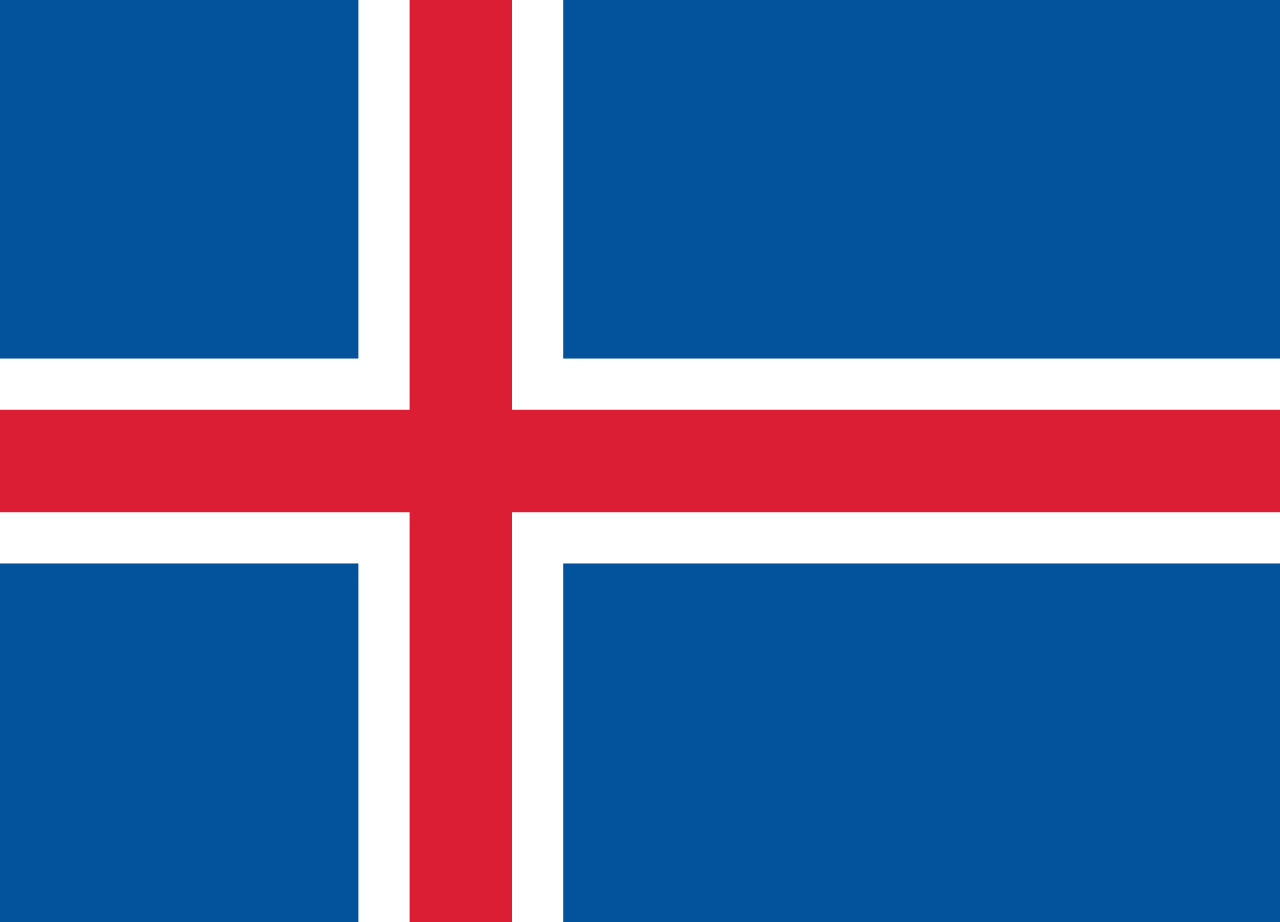
Iceland, a Nordic island country, is situated between the Arctic Ocean and the North Atlantic Ocean, on the Mid-Atlantic Ridge between Europe and North America. This unique location has a significant impact on its Geography and Climate. The country is culturally and politically linked with Europe and is the region's westernmost and most sparsely populated country. With a population of roughly 395,000 residents, Iceland is a relatively small country, but its stunning landscapes and natural wonders make it a popular destination for tourists and nature lovers. The official language of the country is Icelandic, which is a North Germanic language. For more information on the language, visit the Icelandic Language page.
🏔️ Geography and Climate
Iceland's geography is characterized by its location on a rift between tectonic plates, which results in significant Geologic Activity. The country is home to numerous geysers, including the famous Geysir, and experiences frequent Volcanic Eruptions. The interior of Iceland consists of a volcanic plateau with sand and lava fields, mountains, and glaciers, while many glacial rivers flow to the sea through the lowlands. The country's unique geography has created a diverse range of landscapes, from the stunning waterfalls of Gullfoss to the beautiful black sand beaches of Vik. Iceland is also warmed by the Gulf Stream, which has a moderating effect on its Climate.
🌋 Volcanic Activity and Geology
The geologic activity in Iceland is a result of its location on the Mid-Atlantic Ridge, where the North American and Eurasian tectonic plates are moving apart. This process, known as Plate Tectonics, has created a unique landscape of volcanoes, geysers, and hot springs. The most famous volcano in Iceland is probably Eyjafjallajökull, which erupted in 2010 and caused significant disruptions to air travel across Europe. For more information on volcanoes, visit the Volcanology page. Iceland is also home to the famous Blue Lagoon, a geothermal spa located in a lava field in Grindavík on the Reykjanes Peninsula.
🏃♀️ Outdoor Activities and Tourism
Iceland's unique landscapes and natural wonders make it a popular destination for outdoor enthusiasts and nature lovers. The country offers a wide range of Hiking trails, from easy day hikes to more challenging multi-day treks. Visitors can also explore the stunning landscapes of Þingvellir National Park, a UNESCO World Heritage Site located just outside of Reykjavík. For more information on national parks, visit the National Parks page. In the winter, Iceland is a popular destination for Skiing and Snowboarding, with several ski resorts located throughout the country. The country is also known for its vibrant Culture, which is reflected in its music, art, and literature.
📚 Icelandic Culture and History
Icelandic culture is known for its rich literary heritage, with the country producing some of the most famous Sagas in the world. The Poetic Edda and the Prose Edda are two of the most famous works of Icelandic literature, and are still widely read and studied today. For more information on literature, visit the Icelandic Literature page. The country is also home to a thriving Music scene, with a wide range of genres and styles represented. From the traditional folk music of Icelandic Folk Music to the modern electronic music of Icelandic Electronic Music, there is something for every musical taste in Iceland.
👥 Demographics and Population
Iceland has a relatively small population, with roughly 395,000 residents. The majority of the population lives in the capital city of Reykjavík, which is home to about 35% of the country's residents. The official language of the country is Icelandic, which is a North Germanic language. For more information on languages, visit the Languages page. The country has a high standard of living, with a strong economy and a high level of social welfare. Iceland is also known for its vibrant Culture, which is reflected in its music, art, and literature. The country has a strong sense of community, with many residents actively involved in volunteer work and community organizations.
🏙️ Reykjavík: The Capital City
Reykjavík, the capital city of Iceland, is a vibrant and cosmopolitan city that offers a wide range of cultural and entertainment options. The city is home to many Museums, including the National Museum of Iceland and the Reykjavík Art Museum. For more information on museums, visit the Museums page. Visitors can also explore the city's many Galleries, which feature a wide range of Icelandic and international art. The city is also known for its vibrant Nightlife, with many bars, clubs, and restaurants to choose from. From the traditional Icelandic cuisine of Icelandic Cuisine to the modern fusion cuisine of Modern Icelandic Cuisine, there is something for every taste and budget in Reykjavík.
🌊 Marine Life and Coastal Ecosystems
Iceland's coastal ecosystems are home to a wide range of marine life, including whales, dolphins, and seabirds. The country is a popular destination for Whale Watching and Bird Watching, with many tour operators offering guided tours. For more information on wildlife, visit the Wildlife page. The coastal waters are also home to a wide range of fish and seafood, including cod, haddock, and lobster. Iceland is known for its sustainable fishing practices, and the country's fishing industry is an important part of its economy. The country is also home to many beautiful beaches, including the famous Black Sand Beach of Vik.
🚀 Renewable Energy and Sustainability
Iceland is a leader in renewable energy, with a strong focus on Geothermal Energy and Hydroelectric Power. The country's unique geology makes it an ideal location for geothermal energy production, and many power plants are located throughout the country. For more information on energy, visit the Energy page. Iceland is also a popular destination for Eco-Tourism, with many tour operators offering guided tours of the country's natural wonders. The country is committed to reducing its carbon footprint, and many residents and businesses are actively involved in sustainability initiatives.
🤝 International Relations and Politics
Iceland has a strong sense of international cooperation, and is a member of several international organizations, including the United Nations and the NATO. The country is also a member of the European Economic Area, which allows for the free movement of goods, services, and people between Iceland and other European countries. For more information on international relations, visit the International Relations page. Iceland is also a popular destination for international students, with many universities and colleges offering programs in English. The country is known for its high standard of living, and is a popular destination for expats and digital nomads.
📊 Economy and Industry
Iceland's economy is driven by several key industries, including Fishing, Tourism, and Aluminum Smelting. The country is also a major producer of Geothermal Energy, and is home to several major power plants. For more information on economy, visit the Economy page. The country has a high standard of living, with a strong social welfare system and a high level of economic equality. Iceland is also known for its vibrant Culture, which is reflected in its music, art, and literature. The country is a popular destination for entrepreneurs and startups, with many incubators and accelerators located throughout the country.
👀 Conclusion and Future Prospects
In conclusion, Iceland is a unique and fascinating country that offers a wide range of cultural, natural, and economic attractions. From its stunning landscapes and natural wonders to its vibrant culture and high standard of living, Iceland is a popular destination for tourists, entrepreneurs, and expats alike. As the country continues to grow and develop, it is likely to remain a leader in renewable energy and sustainability, and a popular destination for those looking to experience the best of Nordic culture and natural beauty. For more information on Iceland, visit the Iceland page. The country's future prospects are bright, with a strong focus on innovation, sustainability, and community development.
Key Facts
- Year
- 2023
- Origin
- Nordic Region
- Category
- Geography and Culture
- Type
- Country
Frequently Asked Questions
What is the capital city of Iceland?
The capital city of Iceland is Reykjavík, which is home to about 35% of the country's residents. Reykjavík is a vibrant and cosmopolitan city that offers a wide range of cultural and entertainment options. For more information on Reykjavík, visit the Reykjavík page.
What is the official language of Iceland?
The official language of Iceland is Icelandic, which is a North Germanic language. Icelandic is the primary language spoken in Iceland, and is used in all aspects of life, including education, government, and media. For more information on languages, visit the Languages page.
What is the climate like in Iceland?
Iceland has a temperate climate, despite being located just south of the Arctic Circle. The country is warmed by the Gulf Stream, which has a moderating effect on its climate. However, the climate can be quite chilly, especially in the winter months. For more information on climate, visit the Climate page.
What are some popular tourist attractions in Iceland?
Iceland is home to many stunning natural wonders, including the famous waterfalls of Gullfoss and Skógafoss, the beautiful black sand beaches of Vik, and the stunning landscapes of Þingvellir National Park. Visitors can also explore the country's vibrant culture, including its music, art, and literature. For more information on tourism, visit the Tourism page.
Is Iceland a good destination for outdoor enthusiasts?
Yes, Iceland is a great destination for outdoor enthusiasts. The country offers a wide range of outdoor activities, including hiking, skiing, and snowboarding. Visitors can also explore the country's many national parks and nature reserves, which are home to a wide range of wildlife and natural wonders. For more information on outdoor activities, visit the Outdoor Activities page.
What is the economy like in Iceland?
Iceland's economy is driven by several key industries, including fishing, tourism, and aluminum smelting. The country is also a major producer of geothermal energy, and is home to several major power plants. For more information on economy, visit the Economy page. The country has a high standard of living, with a strong social welfare system and a high level of economic equality.
Is Iceland a good destination for international students?
Yes, Iceland is a popular destination for international students. The country is home to several universities and colleges, which offer a wide range of programs in English. For more information on education, visit the Education page. The country is also known for its high standard of living, and is a great place to experience Nordic culture and natural beauty.