
Contents
- 🏞️ Introduction to Accessible Recreation
- 🚶♀️ Benefits of Inclusive Leisure Activities
- 🏋️♂️ Adaptive Sports and Fitness Programs
- 🎨 Creative Expression and Accessible Arts
- 🌳 Outdoor Adventures and Environmental Accessibility
- 🚗 Transportation and Accessibility in Recreation
- 🤝 Community Engagement and Social Inclusion
- 📊 Measuring Success in Accessible Recreation
- 📈 Future Directions and Emerging Trends
- 👥 Stakeholders and Collaborations in Accessible Recreation
- 📚 Resources and Support for Accessible Recreation
- 🎉 Celebrating Accessibility Achievements
- Frequently Asked Questions
- Related Topics
Overview
Accessible recreation refers to the design and implementation of leisure activities, facilities, and services that can be enjoyed by people of all ages and abilities. The concept has gained significant attention in recent years, with a growing number of organizations and governments recognizing the importance of inclusive recreation. According to a study by the National Center on Accessibility, approximately 20% of people in the United States have a disability, highlighting the need for accessible recreation options. The Americans with Disabilities Act (ADA) of 1990 has played a crucial role in promoting accessibility in recreation, with many facilities now incorporating features such as wheelchair-accessible trails, audio descriptions, and sign language interpretation. However, despite progress, controversy surrounds the implementation and enforcement of accessibility standards, with some arguing that current guidelines do not go far enough. As the accessible recreation movement continues to evolve, it is likely to have a significant impact on the lives of millions of people, with the global accessible tourism market projected to reach $13.9 billion by 2025.
🏞️ Introduction to Accessible Recreation
The concept of accessible recreation is rooted in the idea that everyone, regardless of their abilities, should have the opportunity to participate in leisure activities. This movement is closely tied to the Social Model of Disability, which emphasizes that disability is not inherent to the individual, but rather a result of societal barriers. Organizations like the National Recreation and Park Association (NRPA) have been working to promote inclusive recreation practices. By providing accessible facilities and programs, communities can foster a sense of belonging and social connection among all members. For example, the City of New York Parks and Recreation department has implemented various initiatives to make its parks more accessible. As we move forward, it's essential to consider the United Nations Sustainable Development Goals (SDGs) and how accessible recreation can contribute to a more equitable and just society.
🚶♀️ Benefits of Inclusive Leisure Activities
Research has shown that participating in leisure activities can have numerous physical and mental health benefits, including reduced stress and improved mood. Inclusive recreation programs can also provide opportunities for socialization and community engagement, which are essential for overall well-being. The World Health Organization (WHO) has recognized the importance of accessible recreation in promoting healthy lifestyles. Furthermore, accessible recreation can also have economic benefits, as it can attract tourists and boost local economies. For instance, the Olympic National Park in Washington State has implemented accessible trails and programs, making it a popular destination for visitors with disabilities. As we strive to create more inclusive communities, it's crucial to involve stakeholders like the Disability Rights Education and Defense Fund (DREDF) in the planning process. By doing so, we can ensure that the needs of all individuals are taken into account.
🏋️♂️ Adaptive Sports and Fitness Programs
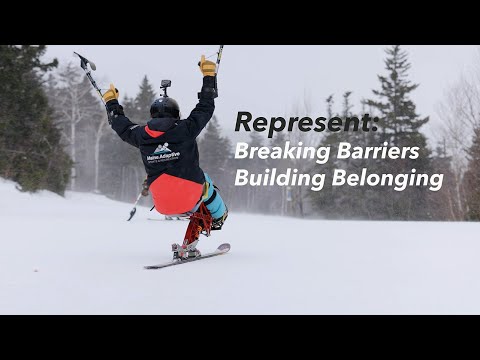
Adaptive sports and fitness programs have become increasingly popular in recent years, providing opportunities for people with disabilities to engage in physical activity. Organizations like the Challenged Athletes Foundation (CAF) have been instrumental in promoting adaptive sports and providing resources for athletes with disabilities. These programs not only improve physical health but also foster a sense of community and camaraderie among participants. The Paralympic Games have also played a significant role in promoting adaptive sports and showcasing the abilities of athletes with disabilities. As we look to the future, it's essential to consider the role of technology in enhancing accessible recreation, such as the use of prosthetic limbs and other assistive devices. Additionally, collaborations between organizations like the National Center on Health, Physical Activity and Disability (NCHPAD) and the American Council on Exercise (ACE) can help promote inclusive fitness programs.
🎨 Creative Expression and Accessible Arts
Creative expression and accessible arts are essential components of accessible recreation. Programs like the Very Special Arts (VSA) organization provide opportunities for people with disabilities to engage in artistic activities, such as painting, music, and dance. These programs not only promote creative expression but also provide a sense of accomplishment and self-esteem. The John F. Kennedy Center for the Performing Arts has also been a leader in promoting accessible arts, with initiatives like the Kennedy Center Turnaround Arts program. As we strive to create more inclusive communities, it's crucial to involve artists with disabilities in the planning process, such as the National Theatre of the Deaf. By doing so, we can ensure that the needs and perspectives of all individuals are taken into account. Furthermore, organizations like the Disability Arts Online platform provide a space for artists with disabilities to showcase their work and connect with others.
🌳 Outdoor Adventures and Environmental Accessibility
Outdoor adventures and environmental accessibility are critical components of accessible recreation. Organizations like the National Park Service (NPS) have been working to make national parks more accessible, with initiatives like the Accessibility in National Parks program. This program provides resources and guidance for park visitors with disabilities, ensuring that they can fully participate in outdoor activities. The Sierra Club has also been a leader in promoting environmental accessibility, with initiatives like the Sierra Club Outdoors for All program. As we look to the future, it's essential to consider the impact of climate change on accessible recreation and the need for sustainable and inclusive practices. For example, the Wilderness on Wheels program provides accessible outdoor adventures for people with disabilities, promoting environmental awareness and appreciation. Additionally, collaborations between organizations like the National Wildlife Federation (NWF) and the Outdoor Foundation can help promote inclusive outdoor programs.
🚗 Transportation and Accessibility in Recreation
Transportation and accessibility in recreation are essential components of accessible recreation. The Americans with Disabilities Act (ADA) has played a significant role in promoting accessible transportation, with requirements for accessible public transportation and parking. Organizations like the Transportation Research Board (TRB) have been working to promote accessible transportation, with initiatives like the Accessible Transportation and Trails program. This program provides resources and guidance for transportation planners and recreation managers, ensuring that transportation systems are accessible and usable for all individuals. The Federal Highway Administration (FHWA) has also been a leader in promoting accessible transportation, with initiatives like the Pedestrian and Bicyclist Safety program. As we look to the future, it's essential to consider the role of technology in enhancing accessible transportation, such as the use of autonomous vehicles and other innovative solutions. Furthermore, collaborations between organizations like the Disability Transportation Education Center and the National Organization on Disability (NOD) can help promote inclusive transportation practices.
📊 Measuring Success in Accessible Recreation
Measuring success in accessible recreation is essential to ensuring that programs and facilities are meeting the needs of all individuals. Organizations like the National Recreation and Park Association (NRPA) have been working to develop evaluation tools and metrics for accessible recreation, with initiatives like the Inclusion Metrics program. This program provides a framework for evaluating the inclusivity of recreation programs and facilities, ensuring that they are accessible and usable for all individuals. The United Nations Sustainable Development Goals (SDGs) have also emphasized the importance of measuring progress and impact in accessible recreation. As we look to the future, it's essential to consider the role of technology in enhancing evaluation and measurement, such as the use of data analytics and other innovative solutions. Additionally, collaborations between organizations like the National Center on Health, Physical Activity and Disability (NCHPAD) and the American Council on Exercise (ACE) can help promote inclusive evaluation practices.
📈 Future Directions and Emerging Trends
Future directions and emerging trends in accessible recreation are exciting and rapidly evolving. The use of technology, such as virtual reality and assistive technology, is becoming increasingly popular in accessible recreation. Organizations like the National Recreation and Park Association (NRPA) have been working to promote the use of technology in accessible recreation, with initiatives like the Technology Initiative program. This program provides resources and guidance for recreation professionals, ensuring that they can effectively integrate technology into their programs and facilities. The United Nations Sustainable Development Goals (SDGs) have also emphasized the importance of leveraging technology to promote accessible recreation. As we look to the future, it's essential to consider the potential impact of emerging trends like inclusive tourism and accessible gaming on accessible recreation. Furthermore, collaborations between organizations like the Disability Rights Education and Defense Fund (DREDF) and the World Institute on Disability (WID) can help promote inclusive and accessible recreation practices.
👥 Stakeholders and Collaborations in Accessible Recreation
Stakeholders and collaborations in accessible recreation are essential to promoting inclusive and accessible recreation practices. Organizations like the National Recreation and Park Association (NRPA) have been working to promote collaborations between recreation professionals, disability advocates, and other stakeholders. The Disability Rights Education and Defense Fund (DREDF) has also been a leader in promoting collaborations and partnerships in accessible recreation. As we strive to create more inclusive communities, it's crucial to involve stakeholders like the National Center on Health, Physical Activity and Disability (NCHPAD) and the American Council on Exercise (ACE) in the planning process. By doing so, we can ensure that the needs and perspectives of all individuals are taken into account. Furthermore, collaborations between organizations like the World Institute on Disability (WID) and the United Nations can help promote inclusive and accessible recreation practices globally.
📚 Resources and Support for Accessible Recreation
Resources and support for accessible recreation are essential to promoting inclusive and accessible recreation practices. Organizations like the National Recreation and Park Association (NRPA) have been working to provide resources and support for recreation professionals, with initiatives like the Inclusion Initiative program. This program provides a framework for evaluating the inclusivity of recreation programs and facilities, ensuring that they are accessible and usable for all individuals. The Disability Rights Education and Defense Fund (DREDF) has also been a leader in providing resources and support for accessible recreation, with initiatives like the Disability Rights Education and Defense Fund Resources. As we strive to create more inclusive communities, it's crucial to involve stakeholders like the National Center on Health, Physical Activity and Disability (NCHPAD) and the American Council on Exercise (ACE) in the planning process. By doing so, we can ensure that the needs and perspectives of all individuals are taken into account.
🎉 Celebrating Accessibility Achievements
Celebrating accessibility achievements is essential to promoting inclusive and accessible recreation practices. Organizations like the National Recreation and Park Association (NRPA) have been working to recognize and celebrate accessibility achievements, with initiatives like the Inclusion Awards program. This program provides a platform for recognizing and celebrating the achievements of recreation professionals and organizations that have made significant contributions to accessible recreation. The Disability Rights Education and Defense Fund (DREDF) has also been a leader in promoting accessibility achievements, with initiatives like the Disability Rights Education and Defense Fund Awards. As we look to the future, it's essential to consider the role of accessibility achievements in promoting inclusive and accessible recreation practices. Furthermore, collaborations between organizations like the World Institute on Disability (WID) and the United Nations can help promote inclusive and accessible recreation practices globally.
Key Facts
- Year
- 1990
- Origin
- United States
- Category
- Social Impact
- Type
- Concept
Frequently Asked Questions
What is accessible recreation?
Accessible recreation refers to the provision of leisure activities and facilities that are accessible and usable by all individuals, regardless of their abilities. This includes the provision of accessible facilities, programs, and services that cater to the needs of people with disabilities. The Social Model of Disability emphasizes that disability is not inherent to the individual, but rather a result of societal barriers. Organizations like the National Recreation and Park Association (NRPA) have been working to promote inclusive recreation practices. As we strive to create more inclusive communities, it's crucial to involve stakeholders like the Disability Rights Education and Defense Fund (DREDF) in the planning process.
Why is accessible recreation important?
Accessible recreation is important because it provides opportunities for people with disabilities to participate in leisure activities and to experience the benefits of recreation, such as improved physical and mental health, socialization, and community engagement. The World Health Organization (WHO) has recognized the importance of accessible recreation in promoting healthy lifestyles. Furthermore, accessible recreation can also have economic benefits, as it can attract tourists and boost local economies. For example, the Olympic National Park in Washington State has implemented accessible trails and programs, making it a popular destination for visitors with disabilities. As we look to the future, it's essential to consider the role of technology in enhancing accessible recreation, such as the use of prosthetic limbs and other assistive devices.
What are some examples of accessible recreation programs?
Examples of accessible recreation programs include adaptive sports and fitness programs, accessible arts and cultural programs, and outdoor adventures and environmental accessibility programs. The Challenged Athletes Foundation (CAF) has been instrumental in promoting adaptive sports and providing resources for athletes with disabilities. The Very Special Arts (VSA) organization provides opportunities for people with disabilities to engage in artistic activities, such as painting, music, and dance. Additionally, organizations like the National Park Service (NPS) have been working to make national parks more accessible, with initiatives like the Accessibility in National Parks program.
How can I get involved in accessible recreation?
You can get involved in accessible recreation by volunteering with organizations that provide accessible recreation programs, donating to organizations that support accessible recreation, and advocating for accessible recreation in your community. The National Recreation and Park Association (NRPA) has been working to promote inclusive recreation practices, with initiatives like the Inclusion Initiative program. You can also participate in accessible recreation programs and activities, such as adaptive sports and fitness programs, accessible arts and cultural programs, and outdoor adventures and environmental accessibility programs. Furthermore, collaborations between organizations like the Disability Rights Education and Defense Fund (DREDF) and the World Institute on Disability (WID) can help promote inclusive and accessible recreation practices.
What are some resources for accessible recreation?
Resources for accessible recreation include the National Recreation and Park Association (NRPA), the Disability Rights Education and Defense Fund (DREDF), and the United Nations Sustainable Development Goals (SDGs). The National Center on Health, Physical Activity and Disability (NCHPAD) provides resources and guidance for recreation professionals, ensuring that they can create inclusive and welcoming environments for all individuals. Additionally, organizations like the World Institute on Disability (WID) and the American Council on Exercise (ACE) can provide valuable information and support for accessible recreation.
How can I find accessible recreation programs in my area?
You can find accessible recreation programs in your area by searching online, contacting local recreation departments, and asking for referrals from friends and family members. The National Recreation and Park Association (NRPA) has a directory of accessible recreation programs and facilities that you can search by location. You can also contact local disability organizations, such as the Disability Rights Education and Defense Fund (DREDF), to ask about accessible recreation programs in your area. Furthermore, collaborations between organizations like the World Institute on Disability (WID) and the United Nations can help promote inclusive and accessible recreation practices globally.
What are some benefits of accessible recreation?
Benefits of accessible recreation include improved physical and mental health, socialization, and community engagement. The World Health Organization (WHO) has recognized the importance of accessible recreation in promoting healthy lifestyles. Additionally, accessible recreation can also have economic benefits, as it can attract tourists and boost local economies. For example, the Olympic National Park in Washington State has implemented accessible trails and programs, making it a popular destination for visitors with disabilities. As we look to the future, it's essential to consider the role of technology in enhancing accessible recreation, such as the use of prosthetic limbs and other assistive devices.