
Contents
- 🌎 Introduction to Activated Carbon
- 💧 Water Purification with Activated Carbon
- 🔍 The Science Behind Activated Carbon
- 🌿 Environmental Applications of Activated Carbon
- 🏭 Industrial Uses of Activated Carbon
- 🧬 The Chemistry of Activated Carbon
- 📊 Effectiveness of Activated Carbon in Water Purification
- 🚨 Controversies and Limitations of Activated Carbon
- 🌈 Future Developments in Activated Carbon Technology
- 📚 Conclusion and Recommendations
- Frequently Asked Questions
- Related Topics
Overview
Activated carbon, with a vibe score of 82, has been a cornerstone of water purification for centuries, dating back to ancient Egypt around 1500 BCE. The process of activation, which involves heating organic materials like coconut shells or bamboo to extremely high temperatures, creates a material with an enormous surface area, allowing it to adsorb a wide range of impurities. However, the use of activated carbon is not without controversy, with some arguing that its production can have negative environmental impacts, such as deforestation. Despite this, companies like Calgon Carbon and Cabot Corporation continue to innovate and improve the production process. As the world grapples with increasing water scarcity and pollution, activated carbon is likely to play an increasingly important role, with the global market projected to reach $5.5 billion by 2025. But what are the potential drawbacks, and how can we ensure that this material is used sustainably?
🌎 Introduction to Activated Carbon
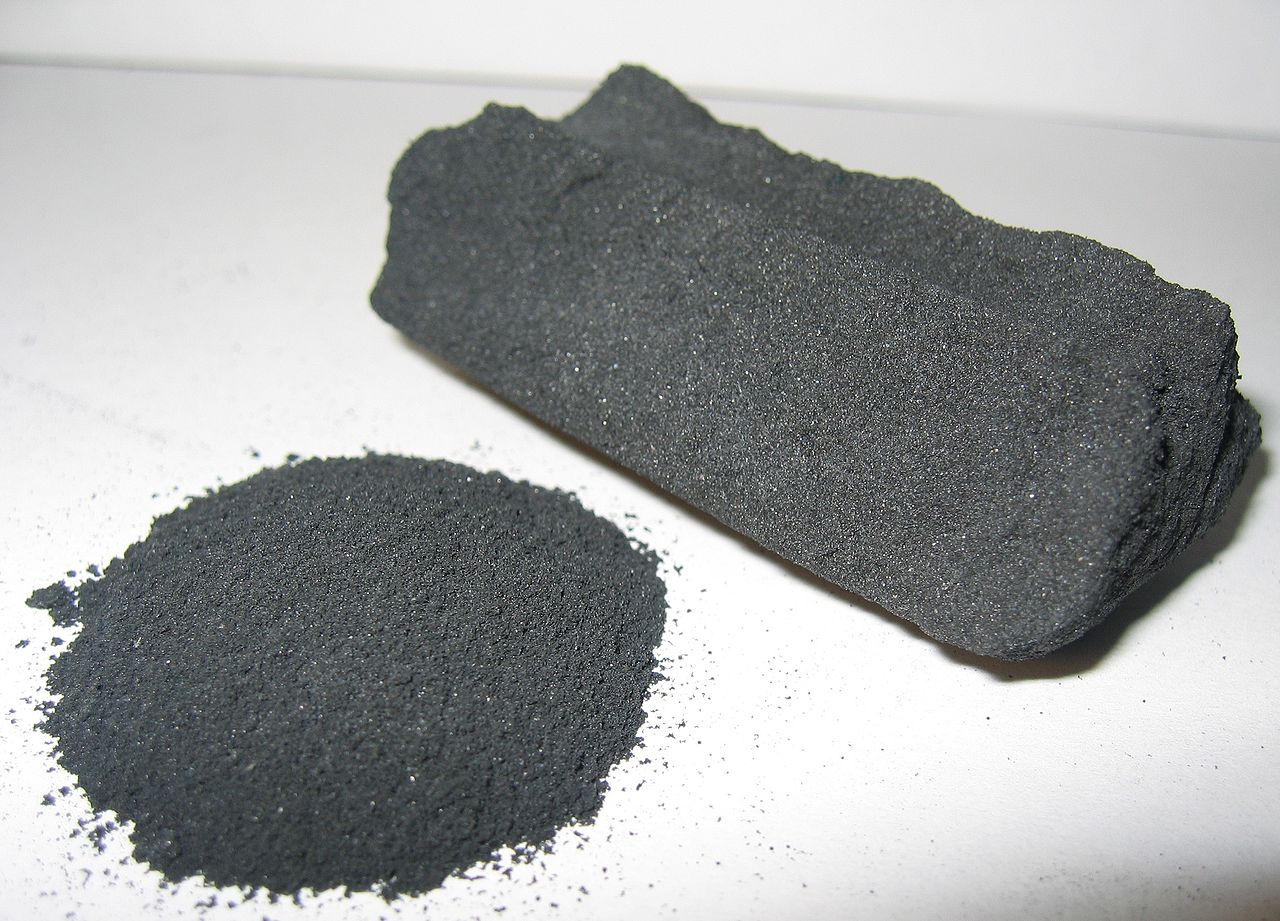
Activated carbon, also known as activated charcoal, is a form of carbon that has been treated to increase its surface area and adsorption capacity. This unique material has been used for centuries to filter contaminants from water and air, among many other uses. The process of activation involves heating the carbon to high temperatures, creating small, low-volume pores that greatly increase the surface area available for adsorption or chemical reactions. For example, Brita water filters often use activated carbon to remove impurities from drinking water. Additionally, ZeroWater systems also utilize activated carbon to purify water.
💧 Water Purification with Activated Carbon
One of the most significant applications of activated carbon is in water purification. Activated carbon can effectively remove a wide range of contaminants from water, including chlorine, lead, and volatile organic compounds. This is because the pores in activated carbon can be thought of as a microscopic 'sponge' structure, allowing it to trap and hold onto impurities. Many companies, such as Pur Water, use activated carbon in their water filtration systems to provide clean drinking water. Furthermore, water filtration systems that use activated carbon can also improve the taste and odor of water.
🔍 The Science Behind Activated Carbon
The science behind activated carbon is rooted in its unique structure and properties. The activation process involves heating the carbon to high temperatures, which creates the small, low-volume pores that give activated carbon its remarkable adsorption capacity. This process is analogous to making popcorn from dried corn kernels: just as popcorn is light, fluffy, and has a high surface-area-to-volume ratio, activated carbon is highly porous and has a large surface area. Researchers, such as Dr. Michael Lam, have studied the effects of activated carbon on human health and have found that it can be beneficial in removing toxins from the body. Moreover, carbon filtration systems can also be used to remove impurities from air purification systems.
🌿 Environmental Applications of Activated Carbon
In addition to its use in water purification, activated carbon has a range of environmental applications. For example, it can be used to clean up oil spills and remove heavy metals from contaminated soil. Activated carbon can also be used to capture carbon dioxide from the atmosphere, making it a potentially valuable tool in the fight against climate change. Companies, such as EcoFlow, use activated carbon in their portable water filtration systems to provide clean drinking water in remote areas. Moreover, Environmental Protection Agency (EPA) has recognized the importance of activated carbon in removing contaminants from water and air.
🏭 Industrial Uses of Activated Carbon
Activated carbon is also used in a variety of industrial applications, including the production of pharmaceuticals and food processing. In these industries, activated carbon is used to remove impurities and contaminants from products, ensuring that they are safe for consumption. For example, Merck uses activated carbon in their pharmaceutical production to remove impurities from their products. Additionally, General Mills uses activated carbon in their food processing to remove contaminants from their products. Furthermore, industrial water treatment systems often use activated carbon to remove impurities from water used in manufacturing processes.
🧬 The Chemistry of Activated Carbon
The chemistry of activated carbon is complex and multifaceted. The material's unique structure and properties allow it to adsorb a wide range of substances, from gases and liquids to solids and dissolved substances. Researchers, such as Dr. George Zheng, have studied the chemical properties of activated carbon and have found that it can be used to remove a wide range of contaminants from water and air. Moreover, chemical engineering principles are used to design and optimize activated carbon systems for various applications. For instance, adsorption isotherms are used to predict the adsorption capacity of activated carbon in different conditions.
📊 Effectiveness of Activated Carbon in Water Purification
Studies have shown that activated carbon can be highly effective in removing contaminants from water. For example, one study found that activated carbon was able to remove up to 99% of chlorine from water, making it a valuable tool in the production of clean drinking water. Another study found that activated carbon was able to remove up to 95% of lead from water, making it a potentially valuable tool in the remediation of contaminated water supplies. Companies, such as Soma Water, use activated carbon in their water filtration systems to provide clean drinking water. Additionally, water quality testing has shown that activated carbon can improve the overall quality of water by removing impurities and contaminants.
🚨 Controversies and Limitations of Activated Carbon
Despite its many benefits, activated carbon is not without its limitations and controversies. For example, some critics argue that the production of activated carbon can have negative environmental impacts, such as the release of greenhouse gases during the activation process. Others argue that activated carbon can be expensive and difficult to maintain, making it inaccessible to some communities. However, companies, such as Berkey, have developed affordable and maintainable activated carbon systems for water purification. Furthermore, environmental impact assessment studies have shown that the benefits of activated carbon can outweigh its negative environmental impacts.
🌈 Future Developments in Activated Carbon Technology
As research and development continue to advance, it is likely that new and innovative applications for activated carbon will emerge. For example, some scientists are exploring the use of activated carbon in the production of renewable energy, such as biofuels and hydrogen fuel cells. Others are investigating the use of activated carbon in the development of new medical devices, such as implantable devices and biosensors. Companies, such as Tesla, are using activated carbon in their energy storage systems to improve the efficiency of their batteries. Moreover, National Renewable Energy Laboratory (NREL) has recognized the potential of activated carbon in renewable energy applications.
📚 Conclusion and Recommendations
In conclusion, activated carbon is a versatile and valuable material that has a wide range of applications, from water purification to environmental remediation. Its unique structure and properties make it an ideal tool for removing contaminants and impurities from water and air, and its potential uses continue to expand as research and development advance. As we look to the future, it is likely that activated carbon will play an increasingly important role in addressing some of the world's most pressing environmental challenges. Therefore, it is essential to continue researching and developing new applications for activated carbon to improve its effectiveness and efficiency. Additionally, sustainability considerations should be taken into account when producing and using activated carbon to minimize its environmental impacts.
Key Facts
- Year
- 2023
- Origin
- Ancient Egypt, circa 1500 BCE
- Category
- Science and Technology
- Type
- Material
Frequently Asked Questions
What is activated carbon?
Activated carbon, also known as activated charcoal, is a form of carbon that has been treated to increase its surface area and adsorption capacity. It is commonly used to filter contaminants from water and air, among many other uses. For example, Brita water filters often use activated carbon to remove impurities from drinking water. Additionally, ZeroWater systems also utilize activated carbon to purify water.
How does activated carbon work?
Activated carbon works by adsorbing contaminants and impurities from water and air. Its unique structure and properties allow it to trap and hold onto impurities, making it a valuable tool in water purification and environmental remediation. Researchers, such as Dr. Michael Lam, have studied the effects of activated carbon on human health and have found that it can be beneficial in removing toxins from the body. Moreover, carbon filtration systems can also be used to remove impurities from air purification systems.
What are the benefits of using activated carbon?
The benefits of using activated carbon include its ability to remove a wide range of contaminants from water and air, its relatively low cost, and its ease of use. Additionally, activated carbon can be used in a variety of applications, from water purification to environmental remediation. Companies, such as EcoFlow, use activated carbon in their portable water filtration systems to provide clean drinking water in remote areas. Moreover, Environmental Protection Agency (EPA) has recognized the importance of activated carbon in removing contaminants from water and air.
What are the limitations of activated carbon?
The limitations of activated carbon include its potential environmental impacts, such as the release of greenhouse gases during the activation process. Additionally, activated carbon can be expensive and difficult to maintain, making it inaccessible to some communities. However, companies, such as Berkey, have developed affordable and maintainable activated carbon systems for water purification. Furthermore, environmental impact assessment studies have shown that the benefits of activated carbon can outweigh its negative environmental impacts.
What is the future of activated carbon?
The future of activated carbon is likely to be shaped by advances in research and development, as well as growing demand for clean water and air. As new and innovative applications for activated carbon emerge, it is likely that this versatile material will play an increasingly important role in addressing some of the world's most pressing environmental challenges. Companies, such as Tesla, are using activated carbon in their energy storage systems to improve the efficiency of their batteries. Moreover, National Renewable Energy Laboratory (NREL) has recognized the potential of activated carbon in renewable energy applications.
How can I use activated carbon in my daily life?
There are many ways to use activated carbon in your daily life, from using activated carbon water filters to purify your drinking water to using activated carbon air purifiers to remove impurities from the air. Additionally, activated carbon can be used in a variety of personal care products, such as toothpaste and skincare products. For example, Colgate uses activated carbon in their toothpaste to remove impurities and whiten teeth. Moreover, L'Oréal uses activated carbon in their skincare products to remove impurities and improve skin health.
What are the different types of activated carbon?
There are several different types of activated carbon, including powdered activated carbon, granular activated carbon, and pelletized activated carbon. Each type of activated carbon has its own unique characteristics and uses, and the choice of which type to use will depend on the specific application. For example, powdered activated carbon is often used in water filtration systems, while granular activated carbon is often used in air purification systems. Moreover, pelletized activated carbon is often used in industrial applications, such as chemical processing.