
Contents
- 🏠 Introduction to Adobe Pueblos
- 🏞️ History of Adobe Pueblos in the Southwest
- 🌾 Construction and Architecture of Adobe Pueblos
- 👥 Cultural Significance of Adobe Pueblos
- 🏞️ Notable Adobe Pueblos in the Southwest
- 📸 Preservation and Restoration Efforts
- 👩🎓 Archaeological Significance of Adobe Pueblos
- 💡 Influence of Adobe Pueblos on Modern Architecture
- 🌈 Contemporary Relevance of Adobe Pueblos
- 🤝 Community Engagement and Education
- 📚 Conclusion and Future Directions
- 📊 Adobe Pueblos by the Numbers
- Frequently Asked Questions
- Related Topics
Overview
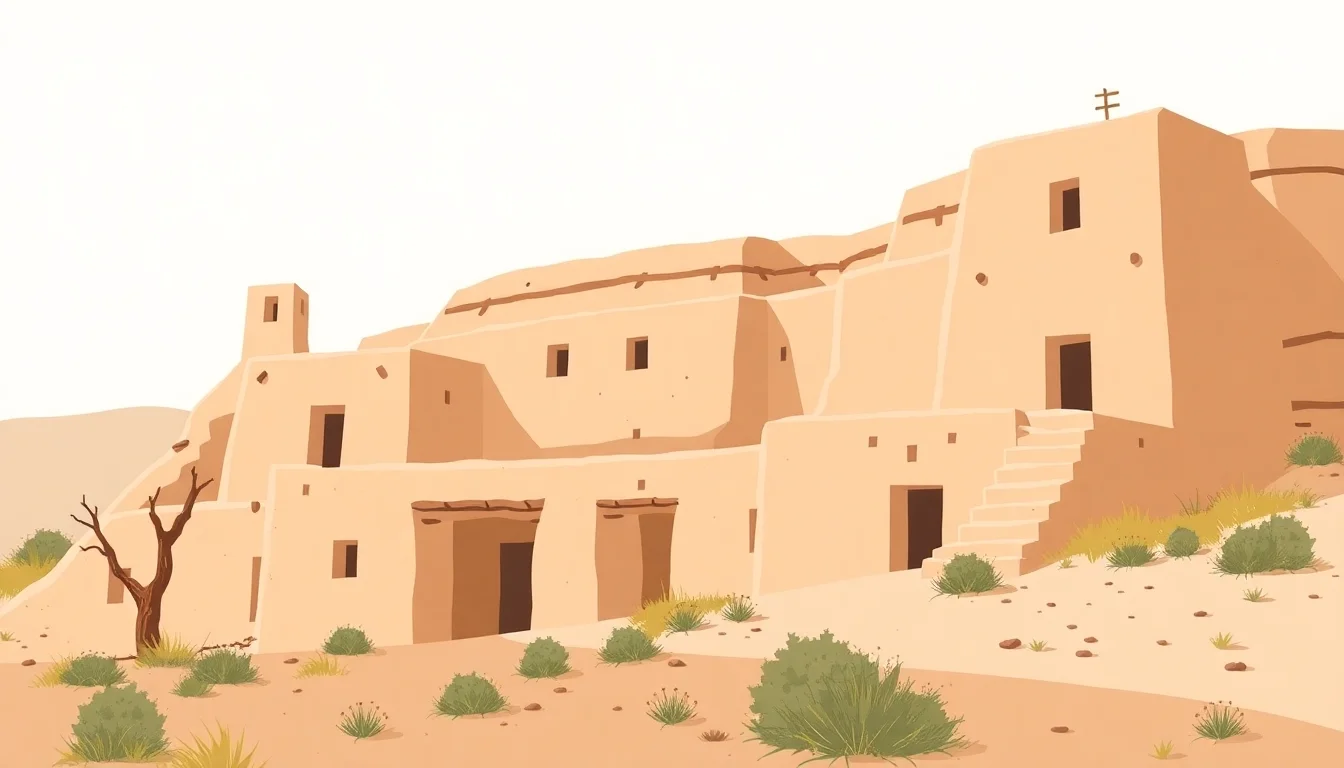
Adobe pueblos, with a vibe rating of 8, have been a cornerstone of southwestern American architecture for centuries, particularly among Native American communities such as the Ancestral Puebloans. The earliest adobe pueblos date back to around 750 AD, with the most famous examples found in present-day New Mexico, Arizona, and Colorado. These structures, made from earth, water, and organic material, were not only durable but also provided natural insulation against the harsh desert climate. The construction of adobe pueblos was often a communal effort, reflecting the social and cultural cohesion of the communities that built them. However, the arrival of European settlers and the introduction of new building materials and techniques led to a decline in the construction of traditional adobe pueblos. Today, there is a renewed interest in adobe architecture, both for its cultural significance and its potential as a sustainable, eco-friendly building method. As we look to the future, adobe pueblos stand as a testament to the ingenuity and resilience of indigenous cultures, and their influence can be seen in modern architectural movements such as earthship construction. With over 80% of the original adobe pueblos lost to time and erosion, preservation efforts are underway to protect these historical sites, including the famous Taos Pueblo in New Mexico, which has been continuously inhabited for over 1,000 years. The influence of adobe pueblos can also be seen in the work of architects such as Frank Lloyd Wright, who was inspired by the organic, earth-based design of these structures. As we consider the future of sustainable architecture, the adobe pueblo serves as a powerful reminder of the importance of respecting and learning from the cultural and environmental context of a region.
🏠 Introduction to Adobe Pueblos
The adobe pueblos of the Southwest are a testament to the ingenuity and craftsmanship of the region's indigenous peoples. These ancient structures, made from a mixture of earth, water, and organic material, have withstood the test of time and continue to inspire wonder and awe. The history of adobe pueblos is closely tied to the Ancestral Puebloans and their ancestors, who developed a sophisticated understanding of architecture and engineering. The Pueblo Revolt of 1680, which saw the Pueblo peoples rise up against Spanish colonizers, marked a significant turning point in the history of adobe pueblos. Today, visitors can explore the ruins of Mesa Verde and other notable adobe pueblos, gaining a glimpse into the lives of the people who built these incredible structures.
🏞️ History of Adobe Pueblos in the Southwest
The history of adobe pueblos in the Southwest spans thousands of years, with the earliest known structures dating back to around 750 CE. The Anasazi people, who are also known as the Ancestral Puebloans, developed a distinctive architectural style that reflected their deep connection to the land and their spiritual practices. The adobe pueblos of Chaco Canyon, which include the famous Pueblo Bonito, are a prime example of this style. The Spanish colonization of the Southwest had a profound impact on the development of adobe pueblos, as the introduction of new materials and techniques led to the creation of more complex and sophisticated structures. The Pueblo of Taos is a notable example of an adobe pueblo that has been continuously inhabited for over 1,000 years.
🌾 Construction and Architecture of Adobe Pueblos
The construction and architecture of adobe pueblos are a testament to the ingenuity and resourcefulness of the people who built them. Adobe, which is made from a mixture of earth, water, and organic material, is a remarkably durable and sustainable building material. The adobe construction techniques used by the Ancestral Puebloans and other indigenous peoples of the Southwest were highly sophisticated, involving the use of wooden frames, stone foundations, and intricate systems of drainage and ventilation. The Earthship community in Taos, New Mexico, is a modern example of adobe construction, with homes and buildings made from natural and recycled materials. The Adobe Revival of the early 20th century saw a renewed interest in traditional adobe construction techniques, with architects such as Mary Colter and John Gaw Meem drawing inspiration from the adobe pueblos of the Southwest.
👥 Cultural Significance of Adobe Pueblos
The cultural significance of adobe pueblos cannot be overstated, as these structures represent a deep and abiding connection to the land and the spiritual practices of the indigenous peoples of the Southwest. The adobe pueblos of Acoma Pueblo and Laguna Pueblo are a testament to the enduring power of traditional culture and the importance of preserving cultural heritage. The Native American Church has played a significant role in the preservation and protection of adobe pueblos, recognizing the spiritual significance of these structures and the importance of preserving traditional cultural practices. The Indian Arts and Crafts Association has also worked to promote and preserve traditional Native American arts and crafts, including the adobe construction techniques used in the building of adobe pueblos.
🏞️ Notable Adobe Pueblos in the Southwest
There are many notable adobe pueblos in the Southwest, each with its own unique history and cultural significance. The Pueblo of Zuni is one of the largest and most populous adobe pueblos in the region, with a rich cultural heritage and a strong tradition of arts and crafts. The Pueblo of Hopi is another notable example, with its distinctive architecture and vibrant cultural practices. The Taos Pueblo is a UNESCO World Heritage Site and one of the most famous adobe pueblos in the Southwest, attracting visitors from around the world. The Acoma Pueblo is often referred to as the 'Sky City' due to its location atop a mesa, and is a popular destination for tourists and cultural enthusiasts.
📸 Preservation and Restoration Efforts
The preservation and restoration of adobe pueblos is an ongoing challenge, as these structures are vulnerable to erosion, weathering, and human impact. The National Park Service has played a significant role in the preservation and protection of adobe pueblos, working to stabilize and restore these structures for future generations. The Adobe Preservation Foundation is a non-profit organization dedicated to the preservation and protection of adobe structures, including the adobe pueblos of the Southwest. The New Mexico Historic Preservation Division has also worked to preserve and protect the state's rich cultural heritage, including its many adobe pueblos.
👩🎓 Archaeological Significance of Adobe Pueblos
The archaeological significance of adobe pueblos cannot be overstated, as these structures provide a unique window into the lives and cultures of the indigenous peoples of the Southwest. The Mesa Verde National Park is one of the most famous archaeological sites in the United States, with its stunning adobe pueblos and rich cultural heritage. The Chaco Culture National Historic Park is another notable example, with its intricate system of roads, canals, and ceremonial structures. The Bandelier National Monument is a lesser-known but equally significant archaeological site, with its stunning adobe pueblos and vibrant cultural practices.
💡 Influence of Adobe Pueblos on Modern Architecture
The influence of adobe pueblos on modern architecture is a significant one, as these structures have inspired generations of architects and designers. The Pueblo Revival style of architecture, which emerged in the early 20th century, drew heavily on the traditional adobe construction techniques and architectural styles of the Southwest. The Santa Fe Style of architecture, which is characterized by its use of adobe, wood, and stone, is a notable example of the influence of adobe pueblos on modern architecture. The Earthship community in Taos, New Mexico, is a modern example of adobe construction, with homes and buildings made from natural and recycled materials.
🌈 Contemporary Relevance of Adobe Pueblos
The contemporary relevance of adobe pueblos is a significant one, as these structures continue to inspire wonder and awe in people from around the world. The Adobe Pueblo Renaissance of the 1960s and 1970s saw a renewed interest in traditional adobe construction techniques and architectural styles, with many artists and architects drawing inspiration from the adobe pueblos of the Southwest. The Native American Renaissance of the 1960s and 1970s also saw a renewed interest in traditional Native American arts and crafts, including the adobe construction techniques used in the building of adobe pueblos. The Southwestern United States is home to many vibrant Native American communities, each with its own unique cultural heritage and traditions.
🤝 Community Engagement and Education
Community engagement and education are essential components of the preservation and protection of adobe pueblos, as these structures are an important part of the cultural heritage of the Southwest. The National Park Service has developed a range of educational programs and materials to help people learn about and appreciate the adobe pueblos of the Southwest. The Adobe Preservation Foundation has also worked to promote community engagement and education, through its preservation and restoration efforts. The New Mexico Historic Preservation Division has also worked to preserve and protect the state's rich cultural heritage, including its many adobe pueblos.
📚 Conclusion and Future Directions
In conclusion, the adobe pueblos of the Southwest are a testament to the ingenuity and craftsmanship of the region's indigenous peoples. These ancient structures, made from a mixture of earth, water, and organic material, have withstood the test of time and continue to inspire wonder and awe. As we look to the future, it is essential that we prioritize the preservation and protection of these incredible structures, through community engagement and education, preservation and restoration efforts, and a deep respect for the cultural heritage of the Southwest. The Southwestern United States is home to many vibrant Native American communities, each with its own unique cultural heritage and traditions. The Adobe Pueblo Renaissance of the 1960s and 1970s saw a renewed interest in traditional adobe construction techniques and architectural styles, with many artists and architects drawing inspiration from the adobe pueblos of the Southwest.
📊 Adobe Pueblos by the Numbers
The adobe pueblos of the Southwest are a significant part of the region's cultural heritage, with over 100,000 people visiting Mesa Verde National Park each year. The Pueblo of Taos is one of the most famous adobe pueblos in the Southwest, with over 1,000 years of continuous habitation. The Adobe Preservation Foundation has worked to preserve and protect over 500 adobe structures, including the adobe pueblos of the Southwest. The National Park Service has developed a range of educational programs and materials to help people learn about and appreciate the adobe pueblos of the Southwest, with over 10,000 students participating in these programs each year.
Key Facts
- Year
- 750
- Origin
- Southwestern United States
- Category
- Architecture, History, Culture
- Type
- Architectural Style
Frequently Asked Questions
What are adobe pueblos?
Adobe pueblos are traditional structures made from a mixture of earth, water, and organic material, built by the indigenous peoples of the Southwest. These structures have withstood the test of time and continue to inspire wonder and awe. The Ancestral Puebloans and other indigenous peoples of the Southwest developed a sophisticated understanding of architecture and engineering, which is reflected in the adobe pueblos. The Pueblo Revolt of 1680 marked a significant turning point in the history of adobe pueblos.
Where are adobe pueblos located?
Adobe pueblos are located throughout the Southwest, with notable examples in New Mexico, Arizona, and Colorado. The Mesa Verde National Park in Colorado is one of the most famous archaeological sites in the United States, with its stunning adobe pueblos and rich cultural heritage. The Chaco Culture National Historic Park in New Mexico is another notable example, with its intricate system of roads, canals, and ceremonial structures.
What is the cultural significance of adobe pueblos?
The cultural significance of adobe pueblos is immense, as these structures represent a deep and abiding connection to the land and the spiritual practices of the indigenous peoples of the Southwest. The adobe pueblos of Acoma Pueblo and Laguna Pueblo are a testament to the enduring power of traditional culture and the importance of preserving cultural heritage. The Native American Church has played a significant role in the preservation and protection of adobe pueblos, recognizing the spiritual significance of these structures and the importance of preserving traditional cultural practices.
How are adobe pueblos preserved and protected?
Adobe pueblos are preserved and protected through a range of efforts, including the work of the National Park Service, the Adobe Preservation Foundation, and the New Mexico Historic Preservation Division. These organizations work to stabilize and restore adobe pueblos, as well as to promote community engagement and education about the importance of preserving these structures. The Earthship community in Taos, New Mexico, is a modern example of adobe construction, with homes and buildings made from natural and recycled materials.
What is the contemporary relevance of adobe pueblos?
The contemporary relevance of adobe pueblos is significant, as these structures continue to inspire wonder and awe in people from around the world. The Adobe Pueblo Renaissance of the 1960s and 1970s saw a renewed interest in traditional adobe construction techniques and architectural styles, with many artists and architects drawing inspiration from the adobe pueblos of the Southwest. The Southwestern United States is home to many vibrant Native American communities, each with its own unique cultural heritage and traditions.
How can I learn more about adobe pueblos?
There are many ways to learn more about adobe pueblos, including visiting Mesa Verde National Park and other archaeological sites, reading books and articles about the history and culture of the Southwest, and participating in educational programs and workshops. The National Park Service has developed a range of educational programs and materials to help people learn about and appreciate the adobe pueblos of the Southwest. The Adobe Preservation Foundation has also worked to promote community engagement and education, through its preservation and restoration efforts.
What are some notable adobe pueblos in the Southwest?
There are many notable adobe pueblos in the Southwest, including the Pueblo of Taos, the Pueblo of Zuni, and the Pueblo of Hopi. The Mesa Verde National Park in Colorado is one of the most famous archaeological sites in the United States, with its stunning adobe pueblos and rich cultural heritage. The Chaco Culture National Historic Park in New Mexico is another notable example, with its intricate system of roads, canals, and ceremonial structures.