
Contents
- 🌳 Origins & History
- 🌴 How It Works
- 📊 Key Facts & Numbers
- 👥 Key People & Organizations
- 🌍 Cultural Impact & Influence
- ⚡ Current State & Latest Developments
- 🤔 Controversies & Debates
- 🔮 Future Outlook & Predictions
- 💡 Practical Applications
- 📚 Related Topics & Deeper Reading
- Frequently Asked Questions
- References
- Related Topics
Overview
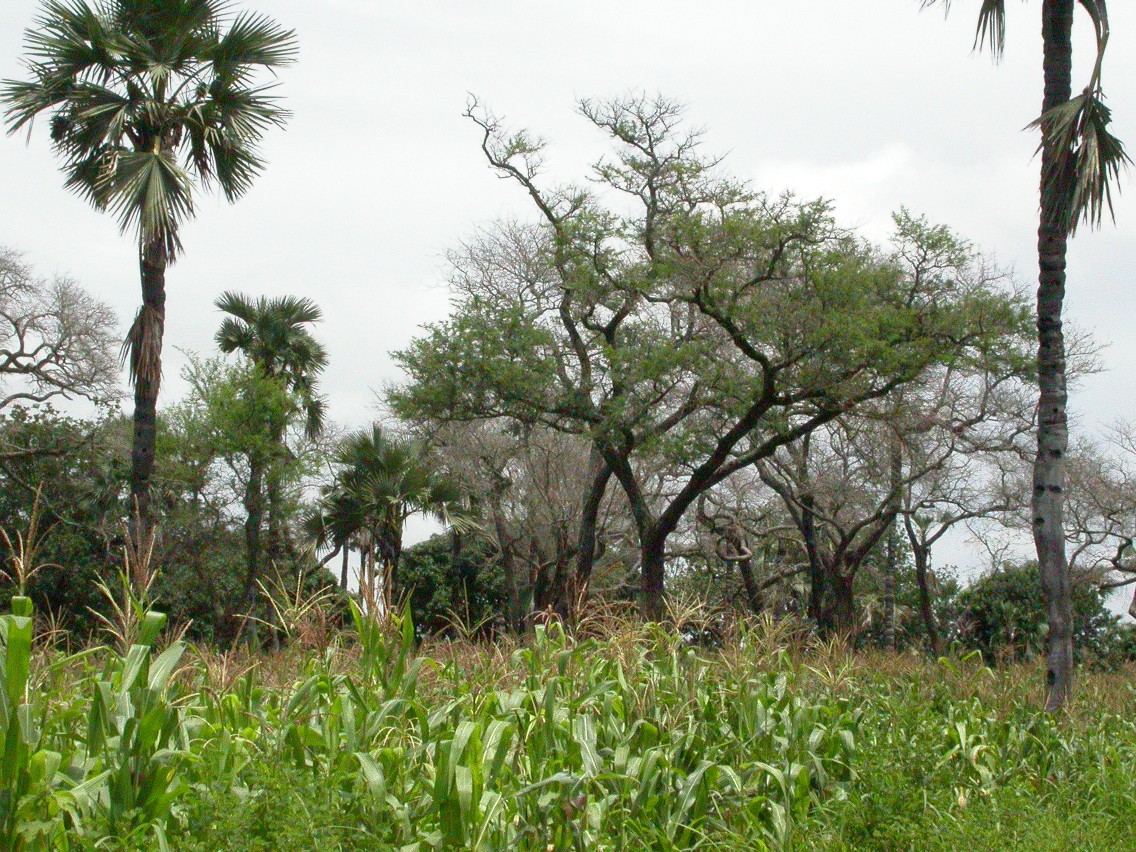
Agroforestry is a land use management system that combines agricultural and forestry technologies to produce a diverse range of products, from timber and wood products to fruits, nuts, and medicinal plants. This polyculture system offers numerous economic, environmental, and social benefits, including improved farm productivity, healthier environments, and increased biodiversity. With its roots in traditional farming practices, agroforestry has evolved to become a key component of sustainable agriculture, providing a viable alternative to conventional farming methods. As of 2022, agroforestry practices are being adopted by over 1.2 billion people worldwide, covering an estimated 1 billion hectares of land. The global agroforestry market is projected to reach $13.4 billion by 2025, growing at a CAGR of 10.3%. Agroforestry has been recognized by the United Nations as a crucial strategy for achieving the Sustainable Development Goals (SDGs), particularly SDG 2 (Zero Hunger) and SDG 13 (Climate Action).
🌳 Origins & History
Agroforestry has its roots in traditional farming practices, dating back to ancient civilizations such as the Incas and Mayans. These early societies recognized the importance of integrating trees into their agricultural systems, not only for food and timber production but also for soil conservation and biodiversity. The modern concept of agroforestry, however, emerged in the 1970s and 1980s, as researchers and practitioners began to develop and promote more sustainable and environmentally friendly land use practices. Today, agroforestry is practiced by over 1.2 billion people worldwide, covering an estimated 1 billion hectares of land, and is supported by organizations such as the Food and Agriculture Organization (FAO) of the United Nations.
🌴 How It Works
Agroforestry systems can be designed to produce a wide range of products, from timber and wood products to fruits, nuts, and medicinal plants. The integration of trees into agricultural landscapes can also provide numerous ecosystem services, including soil conservation, water cycling, and biodiversity conservation. For example, the Green Belt Movement, founded by Wangari Maathai, has promoted agroforestry practices in Africa, resulting in the planting of over 50 million trees and improved livelihoods for thousands of farmers. Agroforestry practices can be categorized into several types, including silvopasture, agro-silviculture, and forest farming, each with its unique characteristics and benefits.
📊 Key Facts & Numbers
Agroforestry practices offer numerous benefits, including improved farm productivity, healthier environments, and increased biodiversity. According to a study by the World Agroforestry Centre, agroforestry systems can increase crop yields by up to 20% and improve soil health by reducing erosion and increasing organic matter. Additionally, agroforestry can provide a viable alternative to conventional farming methods, which often rely on external inputs such as fertilizers and pesticides. The global agroforestry market is projected to reach $13.4 billion by 2025, growing at a CAGR of 10.3%, driven by increasing demand for sustainable and environmentally friendly products. Companies such as Patagonia and The Body Shop are already incorporating agroforestry practices into their supply chains.
👥 Key People & Organizations
Key people and organizations involved in promoting and developing agroforestry practices include the Food and Agriculture Organization (FAO) of the United Nations, the World Agroforestry Centre, and the International Union for Conservation of Nature (IUCN). These organizations provide technical assistance, training, and policy support to governments, farmers, and communities to adopt and scale up agroforestry practices. Additionally, researchers such as John Nye and Doug Boucher have made significant contributions to the development of agroforestry practices and policies.
🌍 Cultural Impact & Influence
Agroforestry has had a significant cultural impact and influence on rural communities, particularly in developing countries. The practice has been recognized as a key strategy for achieving the Sustainable Development Goals (SDGs), particularly SDG 2 (Zero Hunger) and SDG 13 (Climate Action). Agroforestry has also been promoted as a means of improving rural livelihoods, reducing poverty, and enhancing food security. For example, the African Forest Landscape Restoration Initiative aims to restore 100 million hectares of degraded landscapes by 2030, providing benefits to over 250 million people. The initiative is supported by organizations such as the World Wildlife Fund and the African Development Bank.
⚡ Current State & Latest Developments
As of 2022, agroforestry practices are being adopted by over 1.2 billion people worldwide, covering an estimated 1 billion hectares of land. The current state of agroforestry is characterized by increasing recognition of its benefits and potential, as well as growing investment in research, development, and scaling up of agroforestry practices. However, challenges remain, including limited access to finance, technology, and markets, as well as the need for policy and regulatory frameworks that support agroforestry development. The Global Agroforestry Network is working to address these challenges by providing a platform for knowledge sharing, networking, and collaboration among agroforestry practitioners, researchers, and policymakers.
🤔 Controversies & Debates
Despite its numerous benefits, agroforestry is not without its controversies and debates. Some critics argue that agroforestry can lead to the displacement of traditional farming practices and the loss of cultural heritage. Others argue that agroforestry can be used as a means of exploiting natural resources and perpetuating inequality. For example, the Roundtable on Sustainable Palm Oil has been criticized for its certification scheme, which some argue does not adequately address the social and environmental impacts of palm oil production. However, proponents of agroforestry argue that these challenges can be addressed through careful planning, implementation, and monitoring of agroforestry practices, as well as the involvement of local communities and stakeholders.
🔮 Future Outlook & Predictions
The future outlook for agroforestry is promising, with increasing recognition of its potential to contribute to sustainable development and climate change mitigation. According to a report by the Intergovernmental Panel on Climate Change (IPCC), agroforestry can play a key role in reducing greenhouse gas emissions and sequestering carbon. The report estimates that agroforestry practices can sequester up to 3.3 gigatons of carbon dioxide equivalent per year, which is approximately 10% of the total carbon sequestration potential of the agricultural sector. Additionally, agroforestry can provide a means of improving rural livelihoods, reducing poverty, and enhancing food security, particularly in developing countries. The Green Climate Fund is supporting agroforestry projects in several countries, including Kenya, Tanzania, and Uganda.
💡 Practical Applications
Agroforestry has numerous practical applications, including the production of timber and wood products, fruits, nuts, and medicinal plants. Agroforestry systems can also provide ecosystem services, such as soil conservation, water cycling, and biodiversity conservation. For example, the USDA Forest Service is promoting agroforestry practices in the United States, particularly in the context of forest restoration and rehabilitation. Additionally, companies such as IKEA and Unilever are incorporating agroforestry practices into their supply chains, recognizing the benefits of sustainable and environmentally friendly production.
Key Facts
- Year
- 2022
- Origin
- Global
- Category
- environment
- Type
- concept
Frequently Asked Questions
What is agroforestry?
Agroforestry is a land use management system that integrates trees with crops or pasture, offering numerous economic, environmental, and social benefits. The practice has been recognized as a key strategy for achieving the Sustainable Development Goals (SDGs), particularly SDG 2 (Zero Hunger) and SDG 13 (Climate Action).
What are the benefits of agroforestry?
The benefits of agroforestry include improved farm productivity, healthier environments, and increased biodiversity. Agroforestry can also provide a viable alternative to conventional farming methods, which often rely on external inputs such as fertilizers and pesticides. According to a study by the World Agroforestry Centre, agroforestry systems can increase crop yields by up to 20% and improve soil health by reducing erosion and increasing organic matter.
How can agroforestry contribute to climate change mitigation?
Agroforestry can play a key role in reducing greenhouse gas emissions and sequestering carbon. The practice can provide a means of improving rural livelihoods, reducing poverty, and enhancing food security, particularly in developing countries. The Intergovernmental Panel on Climate Change (IPCC) estimates that agroforestry practices can sequester up to 3.3 gigatons of carbon dioxide equivalent per year, which is approximately 10% of the total carbon sequestration potential of the agricultural sector.
What are the challenges facing agroforestry development?
The challenges facing agroforestry development include limited access to finance, technology, and markets, as well as the need for policy and regulatory frameworks that support agroforestry development. Additionally, agroforestry practices can be complex and require careful planning, implementation, and monitoring to ensure their effectiveness and sustainability.
How can agroforestry be scaled up and replicated?
Agroforestry can be scaled up and replicated through a range of strategies, including the development of policy and regulatory frameworks that support agroforestry development, the provision of technical assistance and training to farmers and communities, and the promotion of agroforestry practices through awareness-raising and education campaigns. The Global Agroforestry Network is working to address these challenges by providing a platform for knowledge sharing, networking, and collaboration among agroforestry practitioners, researchers, and policymakers.
What is the current state of agroforestry research and development?
The current state of agroforestry research and development is characterized by increasing recognition of the benefits and potential of agroforestry, as well as growing investment in research, development, and scaling up of agroforestry practices. However, challenges remain, including limited access to finance, technology, and markets, as well as the need for policy and regulatory frameworks that support agroforestry development.
How can agroforestry contribute to sustainable development?
Agroforestry can contribute to sustainable development by providing a means of improving rural livelihoods, reducing poverty, and enhancing food security, particularly in developing countries. The practice can also help to achieve the Sustainable Development Goals (SDGs), particularly SDG 2 (Zero Hunger) and SDG 13 (Climate Action).