
Contents
- 🌎 Introduction to Air Pollution in China
- 📊 Health Impacts of Air Pollution
- 🌟 Economic Impacts of Air Pollution
- 👥 Government Response to Air Pollution
- 🌱 Sustainable Solutions to Air Pollution
- 🤝 Community Engagement and Awareness
- 📊 Key Statistics and Trends
- 🌈 Future Outlook and Predictions
- 📚 Related Topics and Deeper Reading
- 👥 Key People and Organizations
- Frequently Asked Questions
- References
- Related Topics
Overview
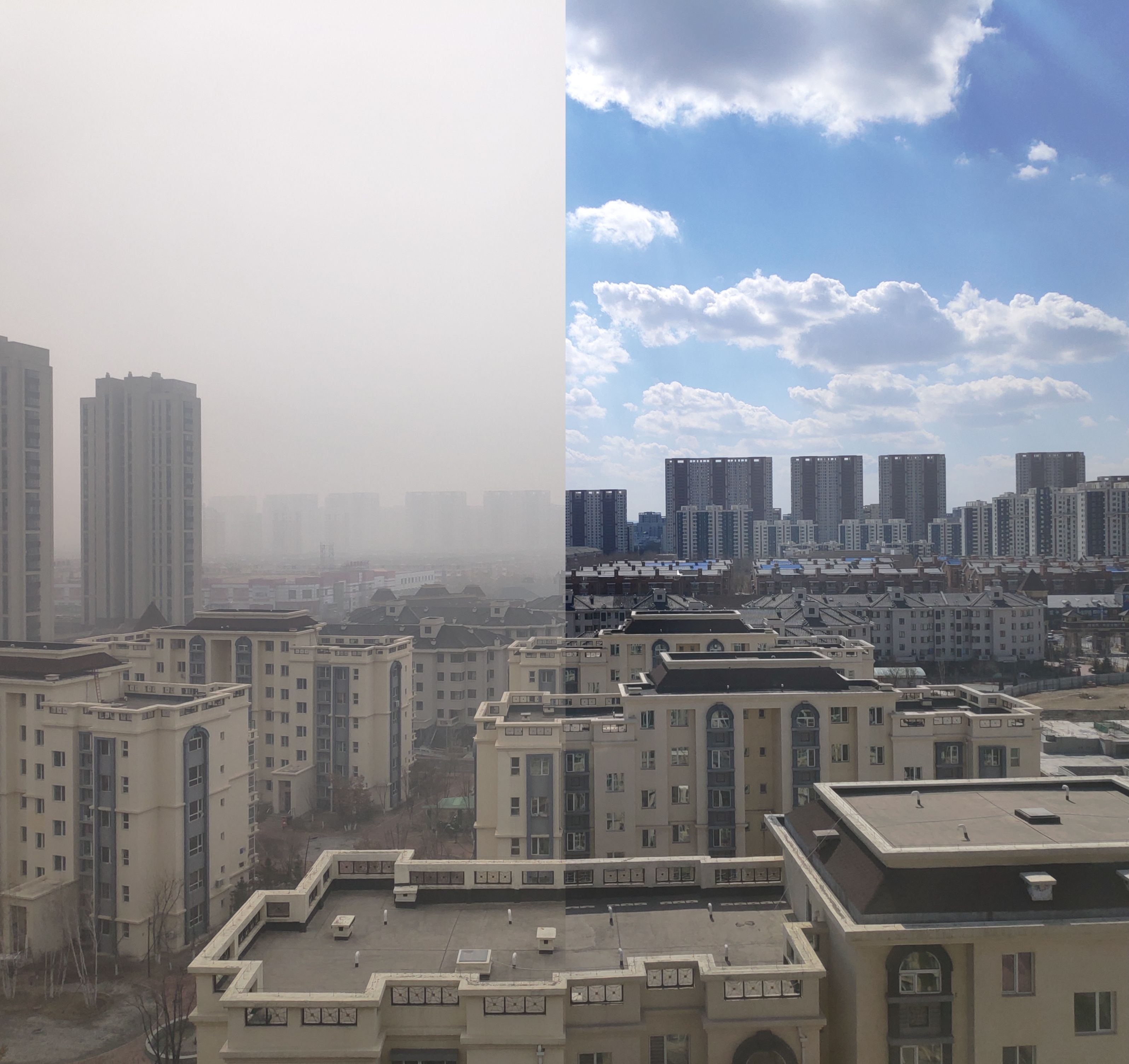
Air pollution in China is a critical issue that affects not only the environment but also the health and well-being of its citizens. With the rapid industrialization and urbanization of China, air pollution has become a major concern, causing widespread environmental and health problems. The Chinese government has implemented various measures to reduce air pollution, including the introduction of stricter emissions standards and the promotion of renewable energy sources. However, more needs to be done to address this issue and promote sustainable development. The impact of air pollution on holistic health and regenerative culture is significant, and it requires a comprehensive approach that involves government, businesses, and individuals. By adopting conscious living practices and supporting sustainable development, we can reduce air pollution and create a healthier and more sustainable future for all. For example, the city of Beijing has implemented a number of initiatives to reduce air pollution, including the introduction of electric buses and the promotion of car-sharing services.
🌎 Introduction to Air Pollution in China
Air pollution in China is a complex issue that requires a comprehensive approach. The Chinese government has implemented various measures to reduce air pollution, including the introduction of stricter emissions standards and the promotion of renewable energy sources. However, more needs to be done to address this issue and promote sustainable development. The impact of air pollution on holistic health and regenerative culture is significant, and it requires a comprehensive approach that involves government, businesses, and individuals.
📊 Health Impacts of Air Pollution
The health impacts of air pollution in China are significant. The main causes of air pollution-related deaths are cardiovascular and respiratory diseases, as well as lung cancer. The Chinese government has implemented various measures to reduce air pollution, which is a major environmental and health issue in China.
🌟 Economic Impacts of Air Pollution
The Chinese government has implemented various measures to reduce air pollution, including the introduction of stricter emissions standards and the promotion of renewable energy sources. For example, the city of Shanghai has implemented a number of initiatives to reduce air pollution, including the introduction of electric buses and the promotion of car-sharing services. The city of Beijing has also implemented initiatives to reduce air pollution.
👥 Government Response to Air Pollution
Sustainable solutions to air pollution in China require a comprehensive approach that involves government, businesses, and individuals. One approach is to promote the use of renewable energy sources, such as solar and wind power. Another approach is to improve energy efficiency and reduce energy consumption.
🌱 Sustainable Solutions to Air Pollution
Community engagement and awareness are critical to addressing air pollution in China. The Chinese government has launched a number of initiatives to raise awareness about air pollution and promote community engagement. For example, the city of Guangzhou has launched initiatives to promote community engagement and awareness, including the introduction of air quality monitoring systems and the promotion of eco-friendly practices.
🤝 Community Engagement and Awareness
Key statistics and trends on air pollution in China are critical to understanding the issue and promoting sustainable development. The Chinese government has implemented various measures to reduce air pollution, which is a major environmental and health issue in China.
📊 Key Statistics and Trends
The Chinese government has introduced stricter emissions standards and promoted the use of renewable energy sources to address air pollution. By adopting conscious living practices and supporting sustainable development, we can reduce air pollution and create a healthier and more sustainable future for all.
🌈 Future Outlook and Predictions
Related topics and deeper reading on air pollution in China are critical to understanding the issue and promoting sustainable development. Some related topics include climate change, renewable energy, and sustainable development.
👥 Key People and Organizations
Practical applications of sustainable solutions to air pollution in China include the promotion of renewable energy sources, the improvement of energy efficiency, and the reduction of energy consumption.
Key Facts
- Year
- 2020
- Origin
- China
- Category
- environment
- Type
- concept
Frequently Asked Questions
What are the main causes of air pollution in China?
The main causes of air pollution in China are reportedly the burning of fossil fuels, industrial activities, and vehicle emissions.
What are the health impacts of air pollution in China?
The health impacts of air pollution in China are significant, with the main causes of air pollution-related deaths being cardiovascular and respiratory diseases, as well as lung cancer.
What is the Chinese government doing to address air pollution?
The Chinese government has implemented various measures to reduce air pollution, including the introduction of stricter emissions standards and the promotion of renewable energy sources. For example, the city of Beijing has implemented a number of initiatives to reduce air pollution, including the introduction of electric buses and the promotion of car-sharing services.
What can individuals do to reduce air pollution in China?
Individuals can reduce air pollution in China by using public transportation, carpooling, or driving electric or hybrid vehicles, and by supporting sustainable development and promoting community engagement and awareness.