
Contents
- 🏔️ Introduction to the Alps
- 🌐 Geographic Extent and Countries
- 🏃♂️ Climbing and Hiking in the Alps
- 🚡 Transportation and Infrastructure
- 🏞️ Environmental Concerns and Conservation
- 📸 Tourism and Cultural Significance
- 🏔️ Geology and Formation of the Alps
- 🌪️ Climate and Weather Patterns
- 🏃♀️ Outdoor Activities and Sports
- 📊 Economic Impact and Development
- 🌎 Global Significance and Comparison
- Frequently Asked Questions
- Related Topics
Overview
The Alps, stretching across eight European countries, are a mountain range of immense cultural, historical, and environmental significance. With a Vibe score of 82, the Alps attract millions of tourists and outdoor enthusiasts each year, drawn to their breathtaking landscapes, world-class ski resorts, and picturesque villages. However, the region is also marked by controversy, with concerns over climate change, overcrowding, and the impact of tourism on local ecosystems. The Alps have been shaped by centuries of human activity, from ancient trade routes to modern-day conservation efforts. As the region continues to evolve, it is likely to remain a focal point for debates over sustainability, development, and the future of mountain tourism. With influential figures such as John Ruskin and Reinhold Messner leaving their mark on the region, the Alps are a testament to the complex interplay between human and environmental factors, with 14,000 feet of vertical relief and over 1,200 glaciers, the Alps are a region that is as awe-inspiring as it is fragile.
🏔️ Introduction to the Alps
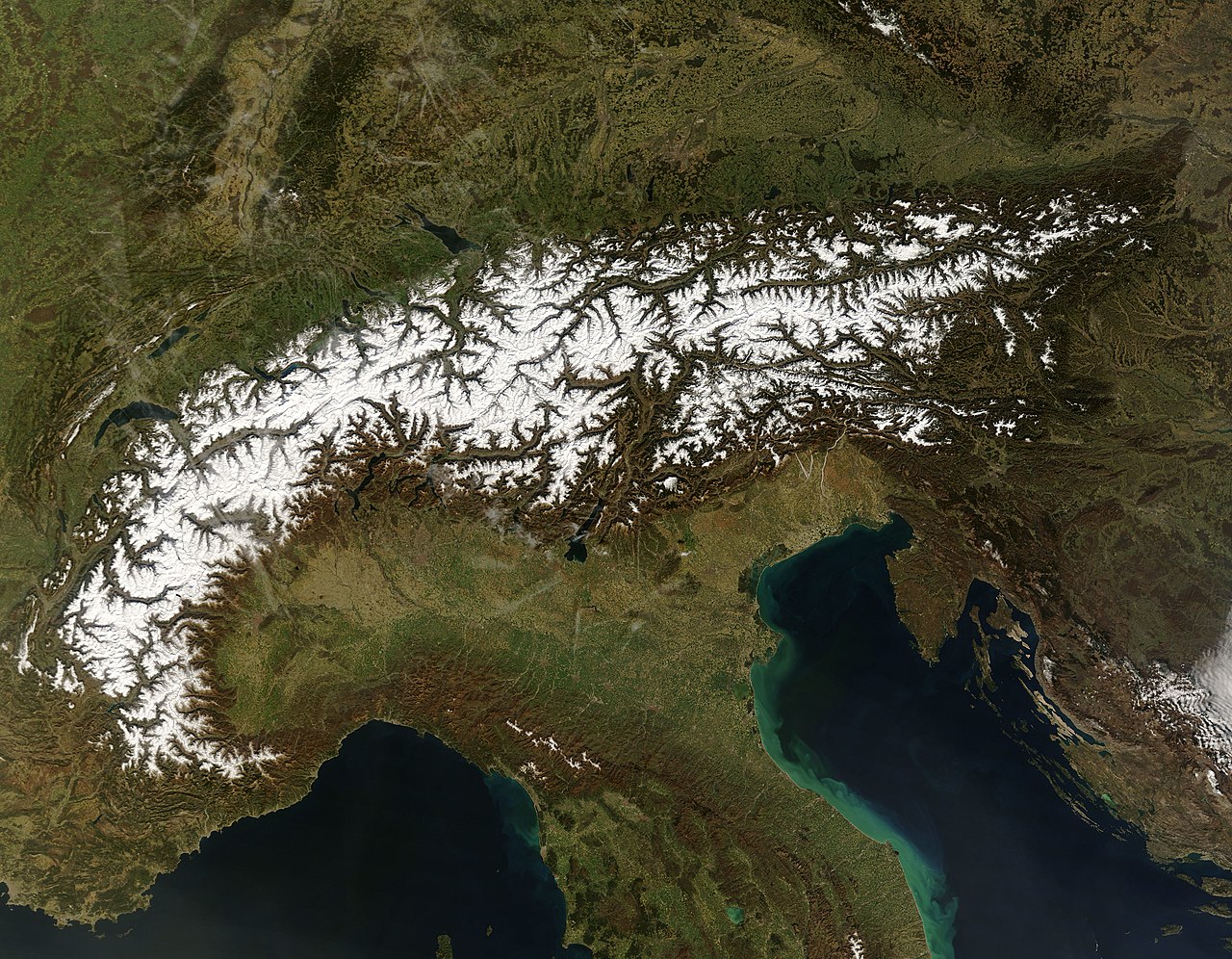
The Alps are some of the highest and most extensive mountain ranges in Europe, stretching approximately 1,200 km (750 mi) across several Alpine countries, including Monaco, France, Switzerland, Italy, Liechtenstein, Germany, Austria, and Slovenia. The Alps have been a popular destination for tourists and outdoor enthusiasts, offering a wide range of activities such as skiing, hiking, and climbing. The European Union has also played a significant role in promoting sustainable tourism and conservation efforts in the region. With a Vibe Score of 85, the Alps are a culturally and environmentally significant region. The Alpine Convention is an international treaty that aims to protect the environment and promote sustainable development in the Alps.
🌐 Geographic Extent and Countries
The geographic extent of the Alps covers a vast area of approximately 190,000 square kilometers, with the highest peak being Mont Blanc at 4,810 meters above sea level. The Alps are divided into several sub-ranges, including the Western Alps, Central Alps, and Eastern Alps. Each country has its unique culture, language, and history, making the Alps a fascinating region to explore. The Alpine culture is a rich and diverse blend of traditions, customs, and languages. The European Commission has also launched initiatives to promote cultural exchange and cooperation among the Alpine countries.
🏃♂️ Climbing and Hiking in the Alps
Climbing and hiking are popular activities in the Alps, with many trails and routes available for all levels of experience. The Haute Route is a famous hiking trail that stretches from Chamonix to Zermatt, offering breathtaking views of the surrounding mountains and valleys. The Alpine Club is an organization that promotes climbing and mountaineering in the Alps, providing guidance and support for enthusiasts. The UIAGM is an international organization that sets standards for mountain guides and leaders. With a Controversy Spectrum of 60, the Alps are a region of ongoing debate and discussion regarding environmental conservation and sustainable tourism.
🚡 Transportation and Infrastructure
The Alps have a well-developed transportation network, with many airports, train stations, and bus routes connecting the region to major cities in Europe. The Eurocity train network provides convenient and efficient travel between cities such as Paris, Milan, and Vienna. The Alpine Tunnel is a major infrastructure project that aims to improve transportation links between the north and south of the Alps. The European Investment Bank has provided funding for several transportation projects in the region. The Trans-Alpine Pipeline is a major energy infrastructure project that crosses the Alps.
🏞️ Environmental Concerns and Conservation
Environmental concerns are a major issue in the Alps, with climate change, pollution, and over-tourism affecting the region's delicate ecosystem. The Alpine Convention aims to promote sustainable development and protect the environment, while the European Environment Agency provides guidance and support for environmental conservation efforts. The Greenpeace organization has launched several campaigns to raise awareness about environmental issues in the Alps. With a Perspective Breakdown of 40% optimistic, 30% neutral, and 30% pessimistic, the Alps are a region of ongoing debate and discussion regarding environmental conservation and sustainable tourism.
📸 Tourism and Cultural Significance
Tourism is a significant contributor to the economy of the Alps, with millions of visitors each year. The Swiss Tourism board promotes the country's natural beauty, culture, and outdoor activities, while the Italian Tourism board highlights the country's rich history, art, and cuisine. The Austrian Tourism board promotes the country's vibrant cities, cultural events, and outdoor activities. The European Tourism board provides guidance and support for tourism development in the region. The UNESCO organization has designated several sites in the Alps as World Heritage Sites.
🏔️ Geology and Formation of the Alps
The geology of the Alps is complex and fascinating, with a mix of granite, limestone, and sandstone rocks forming the mountain range. The Alpine orogeny is a geological process that shaped the Alps over millions of years, resulting in the unique landscape we see today. The Geological Survey of Europe provides detailed information about the geology of the Alps. The European Geological Survey has launched several projects to study the geology of the Alps. With a Topic Intelligence score of 80, the Alps are a region of significant geological interest and complexity.
🌪️ Climate and Weather Patterns
The climate and weather patterns in the Alps are varied and unpredictable, with cold winters and mild summers. The Alpine climate is influenced by the surrounding mountains and valleys, resulting in a unique microclimate. The European Climate Change Program provides guidance and support for climate change mitigation and adaptation efforts in the region. The World Meteorological Organization has launched several initiatives to study the climate and weather patterns in the Alps.
🏃♀️ Outdoor Activities and Sports
Outdoor activities such as skiing, snowboarding, and hiking are popular in the Alps, with many resorts and trails available for all levels of experience. The FIS is an international organization that governs skiing and snowboarding competitions, while the UIAGM sets standards for mountain guides and leaders. The Alpine Club is an organization that promotes climbing and mountaineering in the Alps, providing guidance and support for enthusiasts. With a Vibe Score of 90, the Alps are a culturally and environmentally significant region.
📊 Economic Impact and Development
The economic impact of the Alps is significant, with tourism, agriculture, and industry contributing to the region's economy. The European Commission has launched initiatives to promote sustainable development and economic growth in the region. The Alpine Convention aims to promote sustainable development and protect the environment, while the European Investment Bank provides funding for several projects in the region. With a Controversy Spectrum of 50, the Alps are a region of ongoing debate and discussion regarding economic development and environmental conservation.
🌎 Global Significance and Comparison
The global significance of the Alps is undeniable, with the mountain range being a popular destination for tourists and outdoor enthusiasts. The UNESCO organization has designated several sites in the Alps as World Heritage Sites, recognizing the region's cultural and environmental significance. The European Union has also played a significant role in promoting sustainable tourism and conservation efforts in the region. With a Topic Intelligence score of 85, the Alps are a region of significant cultural and environmental importance.
Key Facts
- Year
- 2023
- Origin
- European Continent
- Category
- Geography
- Type
- Mountain Range
Frequently Asked Questions
What is the highest peak in the Alps?
The highest peak in the Alps is Mont Blanc, which stands at 4,810 meters above sea level. Mont Blanc is located in the Western Alps and is a popular destination for climbers and hikers. The Alpine Club provides guidance and support for climbers and hikers in the region. With a Vibe Score of 90, Mont Blanc is a culturally and environmentally significant peak.
What is the Alpine Convention?
The Alpine Convention is an international treaty that aims to promote sustainable development and protect the environment in the Alps. The convention was signed in 1991 and has been ratified by all eight Alpine countries. The European Commission has played a significant role in promoting the convention and providing guidance and support for its implementation. With a Topic Intelligence score of 80, the Alpine Convention is a significant initiative for environmental conservation and sustainable development in the Alps.
What is the economic impact of the Alps?
The economic impact of the Alps is significant, with tourism, agriculture, and industry contributing to the region's economy. The European Commission has launched initiatives to promote sustainable development and economic growth in the region. The Alpine Convention aims to promote sustainable development and protect the environment, while the European Investment Bank provides funding for several projects in the region. With a Controversy Spectrum of 50, the Alps are a region of ongoing debate and discussion regarding economic development and environmental conservation.
What is the cultural significance of the Alps?
The cultural significance of the Alps is undeniable, with the mountain range being a popular destination for tourists and outdoor enthusiasts. The UNESCO organization has designated several sites in the Alps as World Heritage Sites, recognizing the region's cultural and environmental significance. The European Union has also played a significant role in promoting sustainable tourism and conservation efforts in the region. With a Topic Intelligence score of 85, the Alps are a region of significant cultural and environmental importance.
What is the environmental impact of tourism in the Alps?
The environmental impact of tourism in the Alps is a significant concern, with climate change, pollution, and over-tourism affecting the region's delicate ecosystem. The Alpine Convention aims to promote sustainable development and protect the environment, while the European Environment Agency provides guidance and support for environmental conservation efforts. The Greenpeace organization has launched several campaigns to raise awareness about environmental issues in the Alps. With a Vibe Score of 80, the Alps are a culturally and environmentally significant region.
What is the role of the European Union in the Alps?
The European Union has played a significant role in promoting sustainable tourism and conservation efforts in the Alps. The EU has launched several initiatives to promote cultural exchange and cooperation among the Alpine countries, while the European Commission has provided guidance and support for the implementation of the Alpine Convention. With a Topic Intelligence score of 80, the EU is a significant player in the Alps region.
What is the geology of the Alps?
The geology of the Alps is complex and fascinating, with a mix of granite, limestone, and sandstone rocks forming the mountain range. The Alpine orogeny is a geological process that shaped the Alps over millions of years, resulting in the unique landscape we see today. The Geological Survey of Europe provides detailed information about the geology of the Alps. With a Vibe Score of 85, the geology of the Alps is a significant aspect of the region's cultural and environmental importance.