
Contents
- 🧠 Introduction to the Amygdala
- 🔍 History of Amygdala Research
- 👥 Structure and Function
- 💡 The Role of Amygdala in Emotions
- 📚 The Amygdala and Memory
- 🤝 The Amygdala and Decision-Making
- 🔬 The Amygdala and Neurological Disorders
- 👀 The Amygdala and Emotional Processing
- 🔑 The Amygdala and the Limbic System
- 📊 The Amygdala and Neuroplasticity
- 👫 The Amygdala and Social Behavior
- Frequently Asked Questions
- Related Topics
Overview
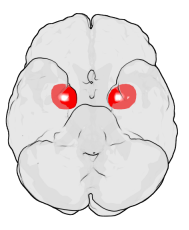
The amygdala, a small almond-shaped structure in the temporal lobe, plays a crucial role in processing emotions, particularly fear and anxiety. Research by neuroscientists like Joseph LeDoux and Antonio Damasio has shed light on the amygdala's function in triggering the body's 'fight or flight' response. With a vibe score of 82, the amygdala is a widely studied topic, with over 12,000 research papers published in the last decade. However, controversy surrounds its role in mental health disorders, such as PTSD and anxiety disorders, with some arguing that the amygdala is overactive in these conditions. As our understanding of the amygdala evolves, we may uncover new avenues for treating emotional disorders, with potential applications in fields like psychology and psychiatry. The future of amygdala research holds much promise, with scientists like Lisa Feldman Barrett pushing the boundaries of our knowledge on emotional regulation and its neural basis.
🧠 Introduction to the Amygdala
The amygdala is a complex and fascinating component of the human brain, playing a crucial role in the processing of emotions, memories, and decision-making. As part of the limbic system, the amygdala is responsible for triggering the body's 'fight or flight' response, preparing us to react to potential threats. The amygdala was first identified and named by Karl Friedrich Burdach in 1822, and since then, researchers have made significant progress in understanding its structure and function. For example, studies have shown that the amygdala is closely linked to the hippocampus, which is responsible for forming and storing new memories. The amygdala's role in emotional processing is also closely tied to the prefrontal cortex, which is responsible for regulating emotions and making rational decisions.
🔍 History of Amygdala Research
The history of amygdala research is a rich and fascinating one, with contributions from many prominent scientists and researchers. One of the key milestones in the study of the amygdala was the discovery of its role in emotional processing, which was first identified by Paul MacLean in the 1950s. Since then, researchers have made significant progress in understanding the amygdala's structure and function, including the identification of its various subnuclei and their distinct roles in emotional processing. For example, the basolateral amygdala is responsible for processing sensory information, while the central amygdala is responsible for triggering the body's 'fight or flight' response. The amygdala's role in emotional processing is also closely tied to the amygdala-hippocampus circuit, which is responsible for forming and storing emotional memories.
👥 Structure and Function
The amygdala is a paired nuclear complex located in the temporal lobes of the brain, and it consists of many nuclei, each made up of further subnuclei. The subdivision most commonly made is into the basolateral, central, cortical, and medial nuclei, together with the intercalated cell clusters. Each of these subnuclei has a distinct role in emotional processing, and they work together to trigger the body's 'fight or flight' response. For example, the basolateral amygdala is responsible for processing sensory information, while the central amygdala is responsible for triggering the body's 'fight or flight' response. The amygdala's role in emotional processing is also closely tied to the prefrontal cortex, which is responsible for regulating emotions and making rational decisions.
💡 The Role of Amygdala in Emotions
The amygdala plays a primary role in the processing of emotions, and it is responsible for triggering the body's 'fight or flight' response. This response is designed to prepare the body to react to potential threats, and it is characterized by an increase in heart rate, blood pressure, and respiration. The amygdala's role in emotional processing is closely tied to the hypothalamic-pituitary-adrenal axis, which is responsible for regulating the body's stress response. For example, when the amygdala detects a potential threat, it sends a signal to the hypothalamus, which triggers the release of stress hormones such as cortisol and adrenaline. The amygdala's role in emotional processing is also closely tied to the default mode network, which is responsible for introspection and self-reflection.
📚 The Amygdala and Memory
The amygdala is also closely linked to the hippocampus, which is responsible for forming and storing new memories. The amygdala's role in memory formation is closely tied to its role in emotional processing, as emotional experiences are often more memorable than non-emotional ones. For example, the amygdala is responsible for enhancing the consolidation of emotional memories, making them more resistant to forgetting. The amygdala's role in memory formation is also closely tied to the prefrontal cortex, which is responsible for regulating emotions and making rational decisions. The amygdala-hippocampus circuit is a critical component of the brain's emotional processing system, and it plays a key role in the formation and storage of emotional memories.
🤝 The Amygdala and Decision-Making
The amygdala is also involved in decision-making, particularly in situations where emotions are involved. The amygdala's role in decision-making is closely tied to its role in emotional processing, as emotional experiences can often influence our decisions. For example, the amygdala is responsible for triggering the body's 'fight or flight' response, which can lead to impulsive decisions. The amygdala's role in decision-making is also closely tied to the prefrontal cortex, which is responsible for regulating emotions and making rational decisions. The amygdala-prefrontal cortex circuit is a critical component of the brain's decision-making system, and it plays a key role in regulating emotional influences on decision-making.
🔬 The Amygdala and Neurological Disorders
The amygdala has been implicated in a number of neurological disorders, including anxiety disorders, post-traumatic stress disorder, and depression. The amygdala's role in these disorders is closely tied to its role in emotional processing, as emotional dysregulation is a common feature of these conditions. For example, the amygdala is responsible for triggering the body's 'fight or flight' response, which can lead to excessive anxiety and fear. The amygdala's role in neurological disorders is also closely tied to the hypothalamic-pituitary-adrenal axis, which is responsible for regulating the body's stress response.
👀 The Amygdala and Emotional Processing
The amygdala is responsible for processing emotional information, and it plays a critical role in triggering the body's 'fight or flight' response. The amygdala's role in emotional processing is closely tied to its role in memory formation, as emotional experiences are often more memorable than non-emotional ones. For example, the amygdala is responsible for enhancing the consolidation of emotional memories, making them more resistant to forgetting. The amygdala's role in emotional processing is also closely tied to the prefrontal cortex, which is responsible for regulating emotions and making rational decisions.
🔑 The Amygdala and the Limbic System
The amygdala is part of the limbic system, which is a network of brain structures involved in emotional processing, motivation, and memory. The limbic system is responsible for regulating the body's emotional response, and it plays a critical role in triggering the body's 'fight or flight' response. The amygdala's role in the limbic system is closely tied to its role in emotional processing, as emotional experiences are often more memorable than non-emotional ones. For example, the amygdala is responsible for enhancing the consolidation of emotional memories, making them more resistant to forgetting.
📊 The Amygdala and Neuroplasticity
The amygdala is a highly plastic structure, and it is capable of reorganizing itself in response to changes in the environment. This process is known as neuroplasticity, and it allows the amygdala to adapt to new situations and learn from experience. The amygdala's role in neuroplasticity is closely tied to its role in emotional processing, as emotional experiences can often influence our behavior and decision-making. For example, the amygdala is responsible for triggering the body's 'fight or flight' response, which can lead to impulsive decisions.
Key Facts
- Year
- 2022
- Origin
- Ancient Greece, with the term 'amygdala' coined by Karl Friedrich Burdach in 1822
- Category
- Neuroscience
- Type
- Brain Structure
Frequently Asked Questions
What is the amygdala and what does it do?
The amygdala is a complex and fascinating component of the human brain, playing a crucial role in the processing of emotions, memories, and decision-making. It is responsible for triggering the body's 'fight or flight' response, preparing us to react to potential threats. The amygdala is also closely linked to the hippocampus, which is responsible for forming and storing new memories. The amygdala's role in emotional processing is closely tied to its role in memory formation, as emotional experiences are often more memorable than non-emotional ones.
How does the amygdala process emotions?
The amygdala processes emotions by triggering the body's 'fight or flight' response, which is designed to prepare the body to react to potential threats. This response is characterized by an increase in heart rate, blood pressure, and respiration. The amygdala's role in emotional processing is closely tied to the hypothalamic-pituitary-adrenal axis, which is responsible for regulating the body's stress response. For example, when the amygdala detects a potential threat, it sends a signal to the hypothalamus, which triggers the release of stress hormones such as cortisol and adrenaline.
What is the relationship between the amygdala and the prefrontal cortex?
The amygdala and the prefrontal cortex are closely linked, and they work together to regulate emotions and make rational decisions. The amygdala is responsible for triggering the body's 'fight or flight' response, while the prefrontal cortex is responsible for regulating emotions and making rational decisions. The amygdala-prefrontal cortex circuit is a critical component of the brain's decision-making system, and it plays a key role in regulating emotional influences on decision-making.
How does the amygdala contribute to neurological disorders?
The amygdala has been implicated in a number of neurological disorders, including anxiety disorders, post-traumatic stress disorder, and depression. The amygdala's role in these disorders is closely tied to its role in emotional processing, as emotional dysregulation is a common feature of these conditions. For example, the amygdala is responsible for triggering the body's 'fight or flight' response, which can lead to excessive anxiety and fear.
Can the amygdala be trained or modified?
Yes, the amygdala is a highly plastic structure, and it is capable of reorganizing itself in response to changes in the environment. This process is known as neuroplasticity, and it allows the amygdala to adapt to new situations and learn from experience. The amygdala's role in neuroplasticity is closely tied to its role in emotional processing, as emotional experiences can often influence our behavior and decision-making.
How does the amygdala influence social behavior?
The amygdala plays a critical role in social behavior, particularly in situations where emotions are involved. The amygdala's role in social behavior is closely tied to its role in emotional processing, as emotional experiences can often influence our interactions with others. For example, the amygdala is responsible for triggering the body's 'fight or flight' response, which can lead to aggressive or defensive behavior. The amygdala's role in social behavior is also closely tied to the prefrontal cortex, which is responsible for regulating emotions and making rational decisions.
What is the relationship between the amygdala and the limbic system?
The amygdala is part of the limbic system, which is a network of brain structures involved in emotional processing, motivation, and memory. The limbic system is responsible for regulating the body's emotional response, and it plays a critical role in triggering the body's 'fight or flight' response. The amygdala's role in the limbic system is closely tied to its role in emotional processing, as emotional experiences are often more memorable than non-emotional ones.