
Contents
Overview
The Ancient Egyptian Pharmacopoeia is a testament to the ingenuity and spiritual depth of a civilization that thrived over 4,000 years ago. With a vast array of herbal remedies, spiritual practices, and holistic approaches to health, this pharmacopoeia is a treasure trove of knowledge that continues to inspire and influence modern holistic health practices. From the use of sacred plants like blue lotus and acacia to the invocation of divine energies for healing, the Ancient Egyptian Pharmacopoeia is a powerful reminder of the interconnectedness of body, mind, and spirit. With its emphasis on natural remedies, spiritual growth, and community-based healthcare, this pharmacopoeia offers a unique perspective on the art of healing and the human experience. As we delve into the secrets of this ancient wisdom, we may uncover new insights into the nature of health, wellness, and the human condition. The Ancient Egyptian Pharmacopoeia is a remarkable example of the ingenuity and creativity of our ancestors, and its legacy continues to inspire and guide us towards a more holistic and compassionate approach to healthcare.
🌿 Origins & History
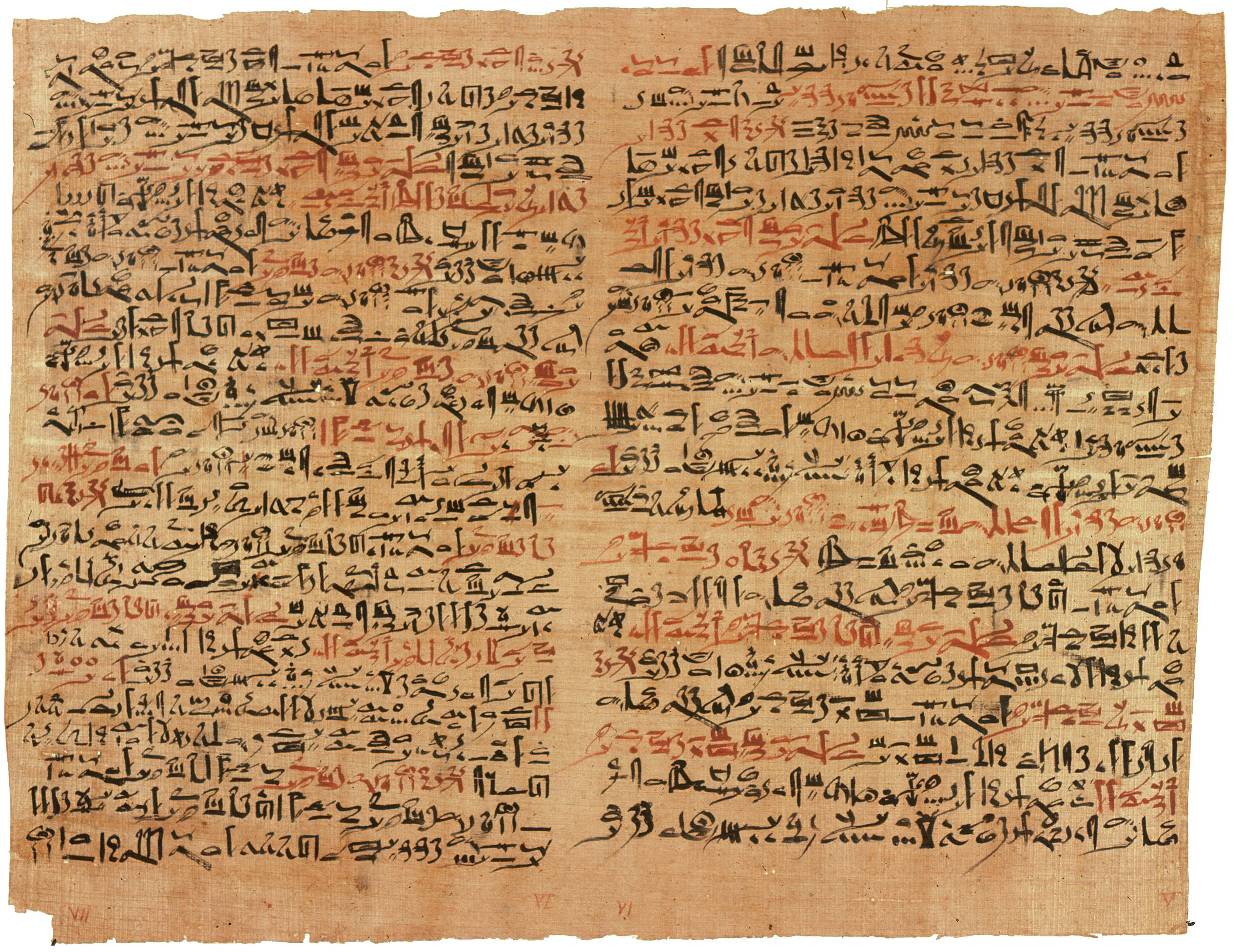
The Ancient Egyptian Pharmacopoeia has its roots in the spiritual practices of the Egyptians, who believed that the body was a temple and that health was a reflection of spiritual balance. As Imhotep, one of the most revered physicians of ancient Egypt, once said, 'The body is a microcosm of the universe, and health is a reflection of the harmony between the individual and the divine.' This perspective is echoed in the works of Hippocrates, who is often credited with laying the foundations of modern medicine. The Egyptians developed a sophisticated system of medicine that incorporated herbal remedies, spiritual practices, and holistic approaches to health, as seen in the Edwin Smith Papyrus, one of the oldest and most comprehensive medical texts in the world.
💡 Spiritual Practices
The spiritual practices of the Ancient Egyptian Pharmacopoeia were deeply rooted in the concept of Ma'at, the principle of balance, harmony, and justice. The Egyptians believed that the universe was governed by a set of divine laws, and that health was a reflection of one's alignment with these laws. As Isis, the goddess of magic and fertility, was often invoked in healing rituals, we see the importance of the divine feminine in ancient Egyptian spirituality. The use of sacred plants like blue lotus and acacia was also an integral part of these spiritual practices, as they were believed to possess powerful healing properties and to facilitate communication with the divine.
🌸 Herbal Remedies
The herbal remedies of the Ancient Egyptian Pharmacopoeia were incredibly diverse, with over 600 different plants and minerals used for medicinal purposes. From the use of garlic to treat infections to the application of honey to soothe wounds, the Egyptians developed a sophisticated understanding of the healing properties of plants. As Dioscorides, a Greek physician, once noted, 'The Egyptians were masters of the art of healing, and their knowledge of herbal remedies was unparalleled.' The Egyptians also developed a system of aromatherapy, using essential oils to balance the emotions and promote relaxation, as seen in the works of Galen, a renowned physician of the Roman Empire.
🏥 Holistic Approaches
The holistic approaches of the Ancient Egyptian Pharmacopoeia were truly innovative, incorporating a deep understanding of the interconnectedness of body, mind, and spirit. The Egyptians believed that health was not just the absence of disease, but a state of balance and harmony that reflected the individual's alignment with the divine. As Plotinus, a philosopher and mystic, once said, 'The soul is a spark of the divine, and health is a reflection of the soul's alignment with the universe.' This perspective is echoed in the works of Rudolf Steiner, who developed the concept of anthroposophy, a holistic approach to health and spirituality.
📚 Influences on Modern Health
The Ancient Egyptian Pharmacopoeia has had a profound influence on modern health practices, with many of its principles and remedies still used today. From the use of herbal supplements to the practice of mindfulness and meditation, the legacy of this ancient wisdom continues to inspire and guide us towards a more holistic and compassionate approach to healthcare. As Deepak Chopra, a renowned author and physician, once noted, 'The Ancient Egyptian Pharmacopoeia is a treasure trove of knowledge that offers a unique perspective on the art of healing and the human experience.' The Egyptians' emphasis on community-based healthcare, where healthcare was a collective responsibility, is also an important aspect of their pharmacopoeia, as seen in the works of Patch Adams, a physician and social activist.
👥 Community-Based Healthcare
The community-based healthcare approach of the Ancient Egyptian Pharmacopoeia is a powerful reminder of the importance of social connection and community in the healing process. The Egyptians believed that healthcare was not just the responsibility of the individual, but a collective responsibility that reflected the values of the community. As Patch Adams once said, 'Healthcare is not just about treating the body, but about nurturing the soul and the spirit.' This perspective is echoed in the works of Jon Kabat-Zinn, who developed the concept of mindfulness-based stress reduction.
💆♀️ Mind-Body Connection
The mind-body connection is a fundamental principle of the Ancient Egyptian Pharmacopoeia, where the body is seen as a microcosm of the universe and health is a reflection of spiritual balance. The Egyptians believed that the mind and body were intimately connected, and that health was a reflection of the harmony between the individual and the divine. As Carl Jung once said, 'The body is a symbol of the soul, and health is a reflection of the soul's alignment with the universe.' This perspective is echoed in the works of Eckhart Tolle, who developed the concept of the power of now.
🌟 Divine Energies
The divine energies of the Ancient Egyptian Pharmacopoeia are a powerful reminder of the importance of spirituality in the healing process. The Egyptians believed that the universe was governed by a set of divine laws, and that health was a reflection of one's alignment with these laws. As Isis was often invoked in healing rituals, we see the importance of the divine feminine in ancient Egyptian spirituality. The use of sacred plants like blue lotus and acacia was also an integral part of these spiritual practices, as they were believed to possess powerful healing properties and to facilitate communication with the divine.
📊 Key Facts & Numbers
Some key facts and numbers about the Ancient Egyptian Pharmacopoeia include: over 600 different plants and minerals used for medicinal purposes, 100 different diseases and ailments treated, and 50 different surgical procedures performed. The pharmacopoeia also includes a wide range of spiritual practices, including meditation, prayer, and ritual, as well as a sophisticated system of astrology and numerology. As Imhotep once said, 'The art of healing is a divine science, and the physician is a priest of the gods.'
Key Facts
- Year
- c. 2500 BCE
- Origin
- Ancient Egypt
- Category
- health
- Type
- concept
Frequently Asked Questions
What is the Ancient Egyptian Pharmacopoeia?
The Ancient Egyptian Pharmacopoeia is a collection of herbal remedies, spiritual practices, and holistic approaches to health developed in ancient Egypt. It is a testament to the ingenuity and spiritual depth of a civilization that thrived over 4,000 years ago. As Imhotep once said, 'The art of healing is a divine science, and the physician is a priest of the gods.'
What are some key principles of the Ancient Egyptian Pharmacopoeia?
Some key principles of the Ancient Egyptian Pharmacopoeia include the use of herbal remedies, spiritual practices, and holistic approaches to health. The Egyptians believed that health was not just the absence of disease, but a state of balance and harmony that reflected the individual's alignment with the divine. As Isis was often invoked in healing rituals, we see the importance of the divine feminine in ancient Egyptian spirituality.
How did the Ancient Egyptian Pharmacopoeia influence modern health practices?
The Ancient Egyptian Pharmacopoeia has had a profound influence on modern health practices, with many of its principles and remedies still used today. From the use of herbal supplements to the practice of mindfulness and meditation, the legacy of this ancient wisdom continues to inspire and guide us towards a more holistic and compassionate approach to healthcare. As Deepak Chopra once noted, 'The Ancient Egyptian Pharmacopoeia is a treasure trove of knowledge that offers a unique perspective on the art of healing and the human experience.'
What are some examples of herbal remedies used in the Ancient Egyptian Pharmacopoeia?
Some examples of herbal remedies used in the Ancient Egyptian Pharmacopoeia include garlic, honey, and acacia. The Egyptians believed that these plants possessed powerful healing properties and could be used to treat a wide range of diseases and ailments. As Dioscorides once noted, 'The Egyptians were masters of the art of healing, and their knowledge of herbal remedies was unparalleled.'
How did the Ancient Egyptian Pharmacopoeia view the role of spirituality in healthcare?
The Ancient Egyptian Pharmacopoeia viewed the role of spirituality in healthcare as essential. The Egyptians believed that health was not just a physical state, but a reflection of the individual's alignment with the divine. As Isis was often invoked in healing rituals, we see the importance of the divine feminine in ancient Egyptian spirituality. The use of sacred plants like blue lotus and acacia was also an integral part of these spiritual practices, as they were believed to possess powerful healing properties and to facilitate communication with the divine.
What are some key facts and numbers about the Ancient Egyptian Pharmacopoeia?
Some key facts and numbers about the Ancient Egyptian Pharmacopoeia include: over 600 different plants and minerals used for medicinal purposes, 100 different diseases and ailments treated, and 50 different surgical procedures performed. The pharmacopoeia also includes a wide range of spiritual practices, including meditation, prayer, and ritual, as well as a sophisticated system of astrology and numerology.
How did the Ancient Egyptian Pharmacopoeia influence the development of modern medicine?
The Ancient Egyptian Pharmacopoeia has had a profound influence on the development of modern medicine, with many of its principles and remedies still used today. From the use of herbal supplements to the practice of mindfulness and meditation, the legacy of this ancient wisdom continues to inspire and guide us towards a more holistic and compassionate approach to healthcare. As Hippocrates once said, 'The art of healing is a divine science, and the physician is a priest of the gods.'