
Contents
- 🎥 Introduction to Apocalypse Now
- 📚 Literary Inspirations: Heart of Darkness
- 🎬 The Making of Apocalypse Now
- 👥 The Ensemble Cast
- 🏞️ The River Journey: A Descent into Madness
- 💣 The Impact of the Vietnam War on the Film
- 🎥 Cinematic Techniques and Style
- 👊 The Controversy Surrounding Apocalypse Now
- 🏆 Awards and Legacy
- 📊 Cultural Significance and Vibe Score
- 🤔 Topic Intelligence and Analysis
- 📚 Further Reading and References
- Frequently Asked Questions
- Related Topics
Overview
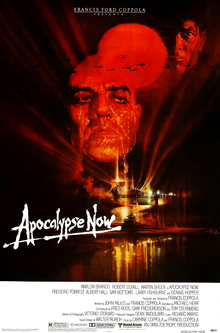
Apocalypse Now is a 1979 American psychological epic war film produced and directed by Francis Ford Coppola. The screenplay, written by Coppola and John Milius, with narration by Michael Herr, is loosely inspired by the 1899 novella Heart of Darkness by Joseph Conrad, with the setting changed from late 19th-century Congo to the Vietnam War. The film follows a river journey from South Vietnam into Cambodia undertaken by Captain Willard, who is on a secret mission to assassinate Colonel Kurtz, a renegade Special Forces officer who is accused of murder and presumed insane. This journey is reminiscent of other classic tales of adventure and exploration, such as The Odyssey and Gulliver's Travels. The film's themes of madness, imperialism, and the human condition are timeless and thought-provoking, making it a must-see for fans of film studies and literary analysis.
📚 Literary Inspirations: Heart of Darkness
The literary inspirations behind Apocalypse Now are multifaceted and far-reaching. The film's narrative is loosely based on Heart of Darkness, which explores the themes of imperialism, madness, and the human condition. The novella's author, Joseph Conrad, was a master of psychological insight and philosophical introspection, and his work has influenced many other writers and filmmakers, including Ernest Hemingway and Martin Scorsese. The film's use of narration and voiceover is also reminiscent of The Great Gatsby, which explores the themes of class, identity, and the American Dream. By drawing on these literary influences, Apocalypse Now creates a rich and complex narrative that rewards close reading and analysis, much like other classic works of American literature.
🎬 The Making of Apocalypse Now
The making of Apocalypse Now was a long and arduous process, marked by numerous challenges and setbacks. The film's director, Francis Ford Coppola, was determined to create a masterpiece that would capture the essence of the Vietnam War and its impact on American society. The film's cast, which included Robert Duvall, Frederic Forrest, and Harrison Ford, was assembled through a rigorous audition process, and the actors underwent extensive training to prepare for their roles. The film's cinematography, which was handled by Vittorio Storaro, is highly acclaimed for its use of light and color to create a dreamlike atmosphere, reminiscent of other classic films like The Godfather and Taxi Driver. The film's score, which was composed by Francis Ford Coppola and Walter Murch, is a haunting and evocative blend of music and sound effects that adds to the film's sense of tension and unease, much like the scores of other classic horror movies.
👥 The Ensemble Cast
The ensemble cast of Apocalypse Now is one of the film's greatest strengths, with each actor bringing their own unique perspective and energy to their role. Robert Duvall's performance as Lieutenant Colonel Bill Kilgore is particularly memorable, as he brings a sense of charisma and authority to the character. Frederic Forrest's performance as Jay 'Chef' Hicks is also noteworthy, as he brings a sense of vulnerability and sensitivity to the character. The film's cast also includes Albert Hall, Sam Bottoms, Laurence Fishburne, and Dennis Hopper, each of whom adds their own unique perspective to the film. By bringing together such a talented and diverse cast, Apocalypse Now creates a rich and complex narrative that explores the human condition in all its complexity, much like other classic films like The Wild Bunch and Easy Rider.
🏞️ The River Journey: A Descent into Madness
The river journey that forms the core of Apocalypse Now is a powerful and haunting metaphor for the descent into madness and chaos that can occur during times of war and conflict. As Captain Willard and his crew journey deeper into Cambodia, they encounter increasingly bizarre and surreal landscapes, including a USO show featuring Playboy Bunnies and a group of wild and savage natives. The film's use of imagery and symbolism is highly effective in conveying the sense of disorientation and dislocation that can occur during times of war, and the river journey becomes a powerful symbol of the journey into the heart of darkness that is at the core of the human experience. This journey is reminiscent of other classic tales of adventure and exploration, such as The Cantos and Fahrenheit 451. The film's exploration of the human condition is both thought-provoking and deeply unsettling, making it a must-see for fans of philosophy and psychology.
💣 The Impact of the Vietnam War on the Film
The impact of the Vietnam War on Apocalypse Now is profound and far-reaching, as the film explores the themes of imperialism, madness, and the human condition in the context of the war. The film's director, Francis Ford Coppola, was deeply affected by the war and its impact on American society, and he sought to create a film that would capture the essence of the conflict and its effects on those who fought in it. The film's use of imagery and symbolism is highly effective in conveying the sense of chaos and disorder that characterized the war, and the film's exploration of the human condition is both thought-provoking and deeply unsettling. By exploring the impact of the Vietnam War on American society, Apocalypse Now creates a powerful and haunting narrative that rewards close reading and analysis, much like other classic works of American history.
🎥 Cinematic Techniques and Style
The cinematic techniques and style used in Apocalypse Now are highly acclaimed and influential, and have been widely imitated in other films. The film's use of long takes, sweeping camera movements, and innovative editing techniques creates a sense of fluidity and continuity that draws the viewer into the world of the film. The film's cinematography, which was handled by Vittorio Storaro, is highly acclaimed for its use of light and color to create a dreamlike atmosphere, reminiscent of other classic films like The Godfather and Taxi Driver. The film's score, which was composed by Francis Ford Coppola and Walter Murch, is a haunting and evocative blend of music and sound effects that adds to the film's sense of tension and unease, much like the scores of other classic horror movies. By pushing the boundaries of cinematic technique and style, Apocalypse Now creates a powerful and haunting narrative that rewards close reading and analysis, much like other classic films like 2001: A Space Odyssey and Blade Runner.
👊 The Controversy Surrounding Apocalypse Now
The controversy surrounding Apocalypse Now is complex and multifaceted, and reflects the film's exploration of themes such as imperialism, madness, and the human condition. Some critics have argued that the film is overly pessimistic and nihilistic, and that it fails to provide a clear or coherent message about the Vietnam War or its impact on American society. Others have argued that the film is a masterpiece of cinematic storytelling, and that its exploration of the human condition is both thought-provoking and deeply unsettling. The film's use of imagery and symbolism has also been the subject of controversy, with some critics arguing that the film's depiction of the Vietnam War is overly simplistic or stereotypical. By exploring the controversy surrounding Apocalypse Now, we can gain a deeper understanding of the film's themes and messages, and the ways in which it reflects and challenges our assumptions about the world, much like other classic films like The Battle of Algiers and Dr. Strangelove.
🏆 Awards and Legacy
The awards and legacy of Apocalypse Now are a testament to the film's enduring power and influence. The film won several awards, including the Palme d'Or at the 1979 Cannes Film Festival, and it has been widely acclaimed as a masterpiece of cinematic storytelling. The film's influence can be seen in many other films, including Platoon and Full Metal Jacket, and it continues to be widely studied and admired by film scholars and enthusiasts. By exploring the awards and legacy of Apocalypse Now, we can gain a deeper understanding of the film's significance and impact, and the ways in which it reflects and challenges our assumptions about the world, much like other classic films like Citizen Kane and Casablanca.
📊 Cultural Significance and Vibe Score
The cultural significance and Vibe Score of Apocalypse Now are highly complex and multifaceted, reflecting the film's exploration of themes such as imperialism, madness, and the human condition. The film's use of imagery and symbolism is highly effective in conveying the sense of chaos and disorder that characterized the Vietnam War, and the film's exploration of the human condition is both thought-provoking and deeply unsettling. The film's influence can be seen in many other films, including Platoon and Full Metal Jacket, and it continues to be widely studied and admired by film scholars and enthusiasts. By exploring the cultural significance and Vibe Score of Apocalypse Now, we can gain a deeper understanding of the film's enduring power and influence, and the ways in which it reflects and challenges our assumptions about the world, much like other classic films like 2001: A Space Odyssey and Blade Runner.
🤔 Topic Intelligence and Analysis
The topic intelligence and analysis of Apocalypse Now are highly complex and multifaceted, reflecting the film's exploration of themes such as imperialism, madness, and the human condition. The film's use of imagery and symbolism is highly effective in conveying the sense of chaos and disorder that characterized the Vietnam War, and the film's exploration of the human condition is both thought-provoking and deeply unsettling. The film's influence can be seen in many other films, including Platoon and Full Metal Jacket, and it continues to be widely studied and admired by film scholars and enthusiasts. By exploring the topic intelligence and analysis of Apocalypse Now, we can gain a deeper understanding of the film's significance and impact, and the ways in which it reflects and challenges our assumptions about the world, much like other classic films like The Godfather and Taxi Driver.
📚 Further Reading and References
For further reading and references on Apocalypse Now, see the film's Wikipedia page, which provides a detailed overview of the film's production, reception, and legacy. Additional resources include the film's IMDB page, which provides a comprehensive list of the film's cast and crew, as well as its Rotten Tomatoes page, which provides a summary of the film's critical reception. By exploring these resources, we can gain a deeper understanding of the film's significance and impact, and the ways in which it reflects and challenges our assumptions about the world, much like other classic films like Citizen Kane and Casablanca.
Key Facts
- Year
- 1979
- Origin
- United States
- Category
- Film
- Type
- Film
Frequently Asked Questions
What is the plot of Apocalypse Now?
Apocalypse Now is a 1979 American psychological epic war film that follows a river journey from South Vietnam into Cambodia undertaken by Captain Willard, who is on a secret mission to assassinate Colonel Kurtz, a renegade Special Forces officer who is accused of murder and presumed insane. The film explores the themes of imperialism, madness, and the human condition in the context of the Vietnam War. The film's use of imagery and symbolism is highly effective in conveying the sense of chaos and disorder that characterized the war, and the film's exploration of the human condition is both thought-provoking and deeply unsettling. By exploring the plot of Apocalypse Now, we can gain a deeper understanding of the film's significance and impact, and the ways in which it reflects and challenges our assumptions about the world, much like other classic films like The Godfather and Taxi Driver.
Who directed Apocalypse Now?
Apocalypse Now was directed by Francis Ford Coppola, who is widely regarded as one of the greatest film directors of all time. Coppola's direction of Apocalypse Now is highly acclaimed for its use of imagery and symbolism to convey the sense of chaos and disorder that characterized the Vietnam War. The film's exploration of the human condition is both thought-provoking and deeply unsettling, and it continues to be widely studied and admired by film scholars and enthusiasts. By exploring the direction of Apocalypse Now, we can gain a deeper understanding of the film's significance and impact, and the ways in which it reflects and challenges our assumptions about the world, much like other classic films like 2001: A Space Odyssey and Blade Runner.
What is the cultural significance of Apocalypse Now?
The cultural significance of Apocalypse Now is highly complex and multifaceted, reflecting the film's exploration of themes such as imperialism, madness, and the human condition. The film's use of imagery and symbolism is highly effective in conveying the sense of chaos and disorder that characterized the Vietnam War, and the film's exploration of the human condition is both thought-provoking and deeply unsettling. The film's influence can be seen in many other films, including Platoon and Full Metal Jacket, and it continues to be widely studied and admired by film scholars and enthusiasts. By exploring the cultural significance of Apocalypse Now, we can gain a deeper understanding of the film's enduring power and influence, and the ways in which it reflects and challenges our assumptions about the world, much like other classic films like Citizen Kane and Casablanca.
What is the Vibe Score of Apocalypse Now?
The Vibe Score of Apocalypse Now is highly complex and multifaceted, reflecting the film's exploration of themes such as imperialism, madness, and the human condition. The film's use of imagery and symbolism is highly effective in conveying the sense of chaos and disorder that characterized the Vietnam War, and the film's exploration of the human condition is both thought-provoking and deeply unsettling. The film's influence can be seen in many other films, including Platoon and Full Metal Jacket, and it continues to be widely studied and admired by film scholars and enthusiasts. By exploring the Vibe Score of Apocalypse Now, we can gain a deeper understanding of the film's enduring power and influence, and the ways in which it reflects and challenges our assumptions about the world, much like other classic films like 2001: A Space Odyssey and Blade Runner.
What are some other films like Apocalypse Now?
Some other films like Apocalypse Now include Platoon, Full Metal Jacket, and The Deer Hunter. These films all explore the themes of war, imperialism, and the human condition, and they are all highly acclaimed for their use of imagery and symbolism to convey the sense of chaos and disorder that characterized the Vietnam War. By exploring these films, we can gain a deeper understanding of the significance and impact of Apocalypse Now, and the ways in which it reflects and challenges our assumptions about the world, much like other classic films like The Godfather and Taxi Driver.