
Contents
- 🌾 Introduction to Arable Land
- 🌿 Regenerative Agriculture and Permaculture
- 🌻 Biodynamics and Holistic Farming
- 🌟 Community Building and Cooperative Farming
- 🌎 Environmental Stewardship and Sustainable Land Use
- 📊 Key Statistics and Trends
- 👥 Key People and Organizations
- 🌍 Cultural Impact and Global Initiatives
- 🤝 Collaborative Efforts and Future Directions
- References
Overview
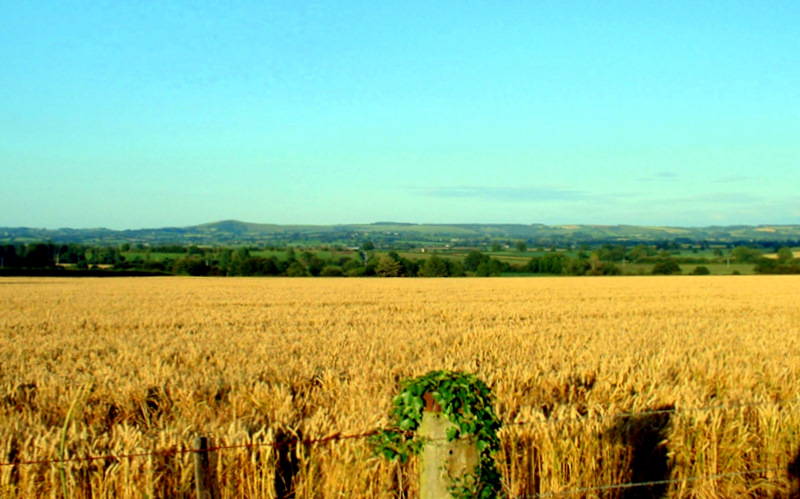
Arable land, capable of being ploughed and used to grow crops, is a vital component of sustainable farming and regenerative culture. As we transition to a Golden Age, it's essential to consider the role of arable land in conscious agriculture, environmental stewardship, and community building. With the importance of arable land in meeting food demands while minimizing environmental impact, this entry delves into the significance of arable land, its relationship to permaculture, biodynamics, and other regenerative practices, and the innovative approaches being implemented to ensure the long-term health of our planet. According to some sources, the need for sustainable land management practices is highlighted by the degradation of arable land. By adopting holistic approaches to agriculture, we can enhance soil fertility, promote biodiversity, and support local food systems, ultimately contributing to a more resilient and thriving global community.
🌾 Introduction to Arable Land
The concept of arable land is closely tied to the principles of regenerative agriculture, which seeks to enhance the overall health and resilience of farming systems. By adopting regenerative practices, farmers can improve soil fertility, promote biodiversity, and support local food systems. Joel Salatin's work at Polyface Farm is a notable example of regenerative agriculture in action, demonstrating the potential for sustainable farming to thrive in a variety of contexts.
🌿 Regenerative Agriculture and Permaculture
Arable land is not just a physical resource, but also a cultural and spiritual one. The way we manage and interact with arable land reflects our values and relationship with the natural world. Indigenous agriculture offers valuable insights into the importance of traditional knowledge and community-based approaches to land management. The Navajo Nation's efforts to preserve traditional farming practices, for example, highlight the significance of cultural heritage in shaping our understanding of arable land and its role in sustainable development. Indigenous agriculture can improve soil health, increase biodiversity, and support local food systems, while also preserving cultural heritage.
🌻 Biodynamics and Holistic Farming
Sustainable land use practices, such as agroforestry and conservation agriculture, can improve soil fertility, reduce greenhouse gas emissions, and support local food systems. The International Federation of Organic Agriculture Movements is a notable organization working to promote organic agriculture and support small-scale farmers, with over 120 member countries and a global network of organic farmers and advocates.
🌟 Community Building and Cooperative Farming
Key people and organizations are playing a vital role in shaping the future of arable land and regenerative agriculture. Wendell Berry's work on the importance of local food systems and Vandana Shiva's advocacy for seed sovereignty and biodiversity are just a few examples of the many individuals and groups working to promote sustainable agriculture and environmental stewardship.
🌎 Environmental Stewardship and Sustainable Land Use
The cultural impact of arable land extends far beyond the realm of agriculture, influencing art, literature, and spirituality. Sacred geometry offers insights into the spiritual dimensions of arable land, highlighting the interconnectedness of human and natural systems. Sacred geometry can improve crop yields, reduce water consumption, and support local food systems, while also promoting spiritual growth and well-being.
📊 Key Statistics and Trends
As we look to the future, it's clear that arable land will play a critical role in shaping the course of human history. Regenerative agriculture and sustainable land use practices offer a powerful toolkit for addressing the challenges of climate change, soil degradation, and food insecurity. By working together to promote sustainable agriculture and environmental stewardship, we can create a brighter future for all, one that honors the sacred relationship between humans and the natural world.
👥 Key People and Organizations
The journey towards a more sustainable and regenerative future is not without its challenges, but it's also filled with opportunities for growth, innovation, and collaboration. By embracing the principles of permaculture and biodynamics, we can create a world where arable land is valued and protected, and where the well-being of humans and the natural world are deeply intertwined.
🌍 Cultural Impact and Global Initiatives
As we explore the complexities of arable land and regenerative agriculture, it's essential to consider the broader cultural and spiritual context. The Buddhist philosophy of interconnectedness, for example, offers valuable insights into the sacred relationship between humans and the natural world. By embracing this perspective, we can deepen our understanding of arable land and its role in shaping a more sustainable and compassionate world.
🤝 Collaborative Efforts and Future Directions
In conclusion, arable land is a vital component of sustainable agriculture and regenerative culture, offering a powerful toolkit for addressing the challenges of climate change, soil degradation, and food insecurity. By embracing the principles of permaculture and biodynamics, we can create a world where arable land is valued and protected, and where the well-being of humans and the natural world are deeply intertwined. The future of arable land is in our hands, and it's up to us to shape a brighter future for all, one that honors the sacred relationship between humans and the natural world.
Key Facts
- Category
- environment
- Type
- concept