
Contents
Overview
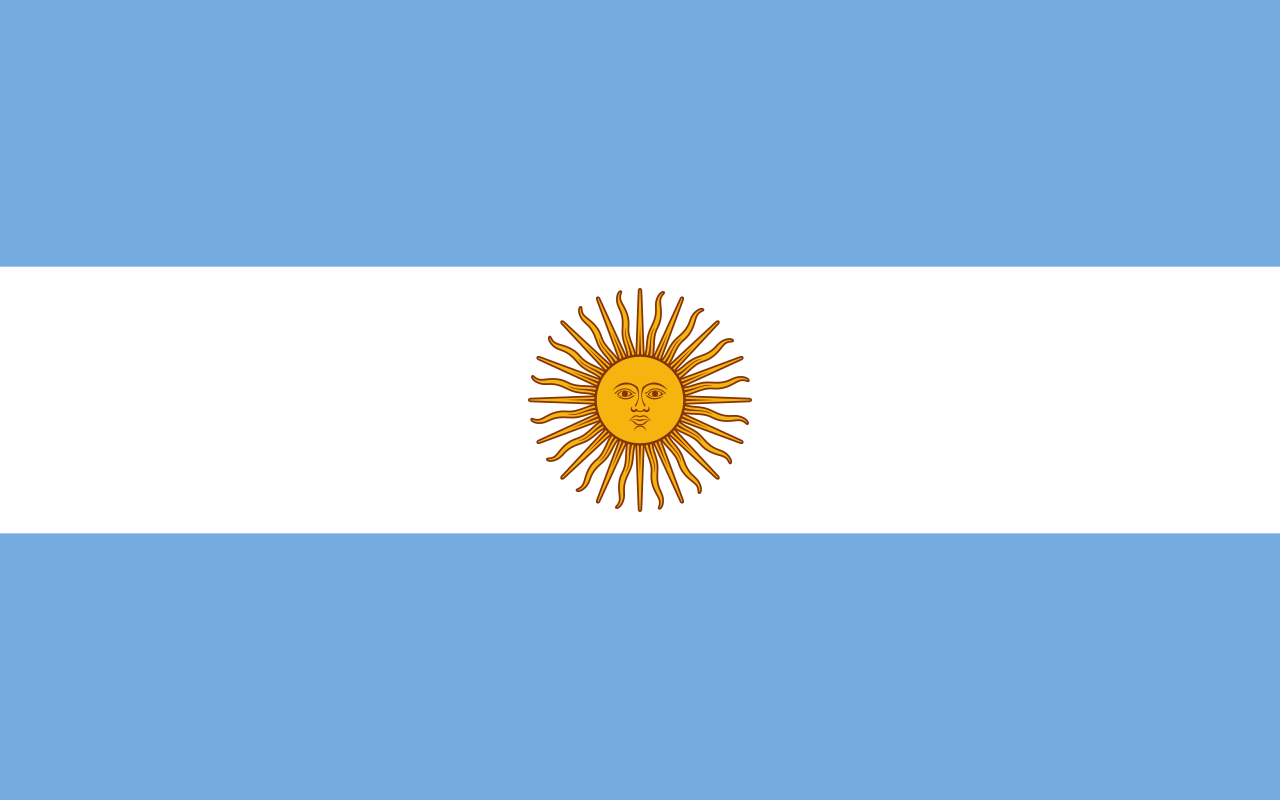
Argentina is a country located in the southern part of South America, known for its diverse geography, rich cultural heritage, and complex history. With a population of over 45 million people, Argentina has a Vibe score of 82, reflecting its energetic and passionate culture. The country has a long history of economic instability, with 9 presidents in the last 30 years, including the current president Alberto Fernández, who has been in office since 2019. Argentina is also home to the beautiful Iguazú Falls, the highest peak in the Americas, Aconcagua, and the vibrant city of Buenos Aires, which is often referred to as the 'Paris of South America'. The country has a strong influence from European immigration, particularly from Italy and Spain, which is reflected in its cuisine, architecture, and traditions. Despite its challenges, Argentina remains a popular tourist destination, with over 7 million visitors in 2020, and a growing economy, with a GDP of over $513 billion.
🌎 Introduction to Argentina
Argentina, officially the Argentine Republic, is a country located in the southern cone of South America and with a claimed portion of Antarctica. It covers an area of 2,780,085 km2, making it the second-largest country in South America after Brazil, the fourth-largest country in the Americas, and the eighth-largest country in the world. Argentina shares the bulk of the Southern Cone with Chile to the west, and is also bordered by Bolivia and Paraguay to the north, Brazil to the northeast, Uruguay and the South Atlantic Ocean to the east, and the Drake Passage to the south. The country's unique geography is characterized by the Andes mountains to the west and the Pampas grasslands to the east. For more information on Argentina's geography, visit the Argentina Geography page.
🗺️ Geography and Climate
The geography of Argentina is diverse and complex, with a range of climates and landscapes. The country can be divided into four main regions: the Andes mountains, the Pampas grasslands, the Chaco desert, and the Patagonia region. The Andes mountains run along the western edge of the country, and are home to some of the highest peaks in the world, including Cerro Aconcagua, the highest peak outside of Asia. The Pampas grasslands, which cover much of the eastern part of the country, are home to a wide range of flora and fauna, including the Pampas deer and the Gaucho culture. For more information on the geography of Argentina, visit the Argentina Geography page.
🏛️ Government and Politics
Argentina is a federal state subdivided into twenty-three provinces, and one autonomous city, which is the federal capital and largest city of the nation, Buenos Aires. The provinces and the capital have their own constitutions, but exist under a federal system. This system of government is outlined in the Argentine Constitution, which was adopted in 1853. The government of Argentina is divided into three branches: the executive, legislative, and judicial. The executive branch is headed by the President, who is both the head of state and the head of government. For more information on the government of Argentina, visit the Argentina Government page.
📊 Economy and Industry
The economy of Argentina is diverse and complex, with a range of industries and sectors. The country is a major producer of agricultural products, including soybeans, corn, and wheat. Argentina is also a significant producer of minerals, including copper, gold, and silver. The country has a large and diverse manufacturing sector, with a range of industries including automotive manufacturing, textile production, and food processing. For more information on the economy of Argentina, visit the Argentina Economy page.
🎨 Culture and Arts
The culture of Argentina is rich and diverse, with a range of influences from European, African, and indigenous cultures. The country is home to a wide range of musical styles, including Tango, Folk music, and Classical music. Argentina is also home to a thriving arts scene, with a range of museums and galleries throughout the country. The country is famous for its literary heritage, with authors such as Jorge Luis Borges and Julia de Burgos. For more information on the culture of Argentina, visit the Argentina Culture page.
🏰 History of Argentina
The history of Argentina is complex and fascinating, with a range of influences from European, African, and indigenous cultures. The country was first inhabited by indigenous peoples, including the Inca and the Guarani. The arrival of European colonizers in the 16th century had a profound impact on the country, with the establishment of Spanish colonial rule. Argentina declared its independence from Spain in 1816, and has since been a republic. For more information on the history of Argentina, visit the Argentina History page.
👥 People and Demographics
The people of Argentina are diverse and complex, with a range of influences from European, African, and indigenous cultures. The country has a population of over 45 million people, with the majority living in the urban areas of Buenos Aires and Cordoba. The official language of Argentina is Spanish, but many other languages are also spoken, including Italian and English. The country has a diverse range of cuisines, with popular dishes including Asado and Empanadas. For more information on the people of Argentina, visit the Argentina People page.
🌟 Tourism and Travel
Argentina is a popular tourist destination, with a range of attractions and activities to suit all interests. The country is home to some of the most beautiful and diverse landscapes in the world, including the Patagonia region and the Iguazu Falls. The country has a rich cultural heritage, with a range of museums and galleries throughout the country. Visitors can also enjoy a range of outdoor activities, including Hiking and Skiing. For more information on tourism in Argentina, visit the Argentina Tourism page.
🤝 International Relations
Argentina has a complex and often contentious relationship with its neighbors and the rest of the world. The country has a long-standing dispute with the United Kingdom over the Falkland Islands, which has led to tensions and conflict in the past. Argentina is also a member of the Mercosur trading bloc, which aims to promote economic integration and cooperation among its member states. For more information on Argentina's international relations, visit the Argentina International Relations page.
📚 Education and Research
Education is highly valued in Argentina, with a range of universities and institutions throughout the country. The country is home to some of the most prestigious universities in South America, including the University of Buenos Aires and the National University of Cordoba. The country has a highly developed system of education, with a range of programs and courses available to students. For more information on education in Argentina, visit the Argentina Education page.
🏆 Sports and Leisure
Sports play a significant role in Argentine culture, with a range of sports and activities popular throughout the country. The most popular sport in Argentina is Football, with the country having produced some of the greatest players of all time, including Diego Maradona and Lionel Messi. The country has also produced a number of world-class athletes in other sports, including Tennis and Rugby. For more information on sports in Argentina, visit the Argentina Sports page.
Key Facts
- Year
- 2022
- Origin
- South America
- Category
- Countries
- Type
- Country
Frequently Asked Questions
What is the capital of Argentina?
The capital of Argentina is Buenos Aires. Buenos Aires is the largest city in Argentina and is located on the eastern coast of the country. It is a major cultural and economic center, and is home to many of the country's most important institutions and landmarks. For more information on Buenos Aires, visit the Buenos Aires page.
What is the official language of Argentina?
The official language of Argentina is Spanish. However, many other languages are also spoken in the country, including Italian and English. The country has a diverse range of cuisines, with popular dishes including Asado and Empanadas. For more information on the language and culture of Argentina, visit the Argentina Culture page.
What is the economy of Argentina like?
The economy of Argentina is diverse and complex, with a range of industries and sectors. The country is a major producer of agricultural products, including soybeans, corn, and wheat. Argentina is also a significant producer of minerals, including copper, gold, and silver. The country has a large and diverse manufacturing sector, with a range of industries including automotive manufacturing, textile production, and food processing. For more information on the economy of Argentina, visit the Argentina Economy page.
What are some popular tourist destinations in Argentina?
Argentina is a popular tourist destination, with a range of attractions and activities to suit all interests. The country is home to some of the most beautiful and diverse landscapes in the world, including the Patagonia region and the Iguazu Falls. The country has a rich cultural heritage, with a range of museums and galleries throughout the country. Visitors can also enjoy a range of outdoor activities, including Hiking and Skiing. For more information on tourism in Argentina, visit the Argentina Tourism page.
What is the history of Argentina like?
The history of Argentina is complex and fascinating, with a range of influences from European, African, and indigenous cultures. The country was first inhabited by indigenous peoples, including the Inca and the Guarani. The arrival of European colonizers in the 16th century had a profound impact on the country, with the establishment of Spanish colonial rule. Argentina declared its independence from Spain in 1816, and has since been a republic. For more information on the history of Argentina, visit the Argentina History page.
What is the culture of Argentina like?
The culture of Argentina is rich and diverse, with a range of influences from European, African, and indigenous cultures. The country is home to a wide range of musical styles, including Tango, Folk music, and Classical music. Argentina is also home to a thriving arts scene, with a range of museums and galleries throughout the country. The country is famous for its literary heritage, with authors such as Jorge Luis Borges and Julia de Burgos. For more information on the culture of Argentina, visit the Argentina Culture page.
What is the education system like in Argentina?
Education is highly valued in Argentina, with a range of universities and institutions throughout the country. The country is home to some of the most prestigious universities in South America, including the University of Buenos Aires and the National University of Cordoba. The country has a highly developed system of education, with a range of programs and courses available to students. For more information on education in Argentina, visit the Argentina Education page.