
Contents
- 🎵 Introduction to Ariadne auf Naxos
- 📚 Literary and Musical Background
- 🎭 The Opera's Structure and Composition
- 👥 The Collaboration between Strauss and Hofmannsthal
- 🏰 The Premiere and Early Reception
- 🌎 International Performances and Interpretations
- 🎶 Musical Themes and Motifs
- 🤔 The Competition between High and Low Art
- 📊 Critical Reception and Legacy
- 👀 Modern Productions and Revivals
- 🎯 Influence on Other Composers and Artists
- 👫 Relationships with Other Operas and Works
- Frequently Asked Questions
- Related Topics
Overview
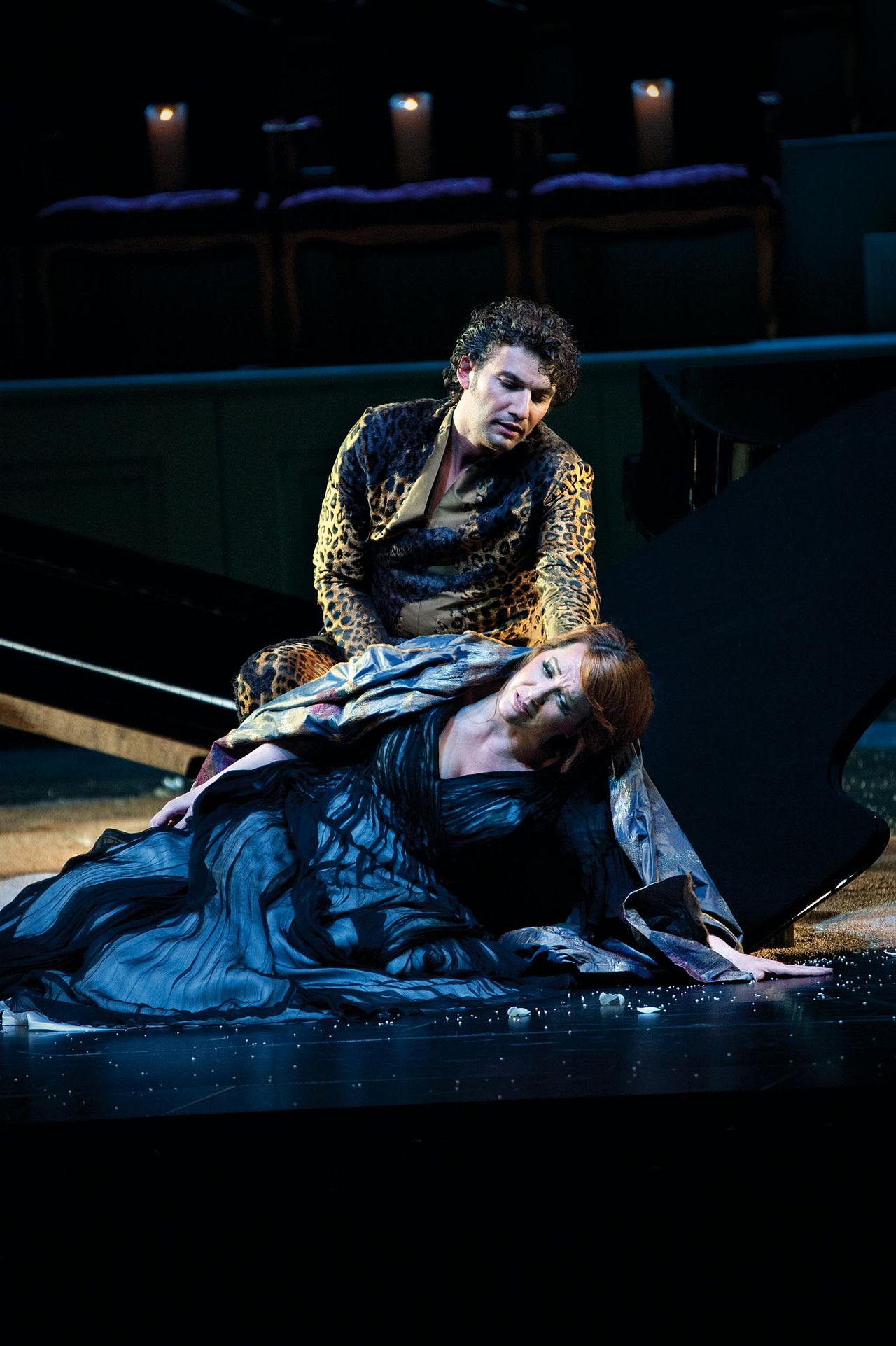
Ariadne auf Naxos, Op. 60, is a 1912 opera by Richard Strauss with a German libretto by Hugo von Hofmannsthal. The opera's unusual combination of elements of low commedia dell'arte with those of high opera seria points up one of the work's principal themes: the competition between high and low art for the public's attention. This blend of styles is reflective of the fin-de-siècle era in which it was written, where traditional forms were being challenged by newer, more experimental approaches. The opera has been praised for its innovative use of musical motifs and its exploration of the artist's role in society. As a work of classical music, Ariadne auf Naxos continues to be performed and studied around the world, with its complex characters and themes offering a rich terrain for interpretation.
📚 Literary and Musical Background
The literary and musical background of Ariadne auf Naxos is rooted in the mythology of ancient Greece, particularly the story of Ariadne and Theseus. However, the opera also incorporates elements of comedy and satire, reflecting the influence of Molière and other French literary figures. The libretto by Hugo von Hofmannsthal is notable for its witty dialogue and nuanced characterization, which adds depth and complexity to the opera's exploration of art and culture. The opera's use of leitmotif and other musical techniques also reflects the influence of Wagner and other Romantic composers. As a work of opera, Ariadne auf Naxos is part of a long tradition of musical storytelling that includes works like La Bohème and Carmen.
🎭 The Opera's Structure and Composition
The opera's structure and composition are characterized by a unique blend of opera seria and commedia dell'arte elements. The work is divided into two main parts: the Prologue and the Opera itself. The Prologue sets the scene for the opera, introducing the characters and their relationships, while the Opera proper tells the story of Ariadne and her abandonment by Theseus. The music is notable for its use of atonality and polytonality, which adds to the sense of tension and drama. The opera's exploration of the tension between high and low art is also reflected in its use of musical quotation and pastiche. As a work of classical music, Ariadne auf Naxos is part of a long tradition of musical innovation that includes works like The Rake's Progress and Wozzeck.
👥 The Collaboration between Strauss and Hofmannsthal
The collaboration between Richard Strauss and Hugo von Hofmannsthal was a key factor in the creation of Ariadne auf Naxos. The two men worked closely together to develop the libretto and the music, with Strauss providing the musical composition and Hofmannsthal writing the text. Their collaboration was marked by a deep respect for each other's talents and a shared vision for the opera. The result was a work that is both a masterpiece of musical composition and a profound exploration of the human condition. As a work of opera, Ariadne auf Naxos is part of a long tradition of musical storytelling that includes works like Fidelio and Der Rosenkavalier. The opera's use of dramatic structure and character development also reflects the influence of Shakespeare and other dramatic literature.
🏰 The Premiere and Early Reception
The premiere of Ariadne auf Naxos took place on October 25, 1912, at the Staatsoper in Vienna, Austria. The opera was initially met with a mixed reception, with some critics praising its innovation and others finding it too experimental. However, over time, the opera has come to be recognized as a masterpiece of 20th-century music. The opera's early reception was also influenced by the cultural and social context in which it was performed, including the rise of modernism and the decline of traditional romanticism. As a work of classical music, Ariadne auf Naxos continues to be performed and studied around the world, with its complex characters and themes offering a rich terrain for interpretation. The opera's use of musical symbolism and dramatic irony also reflects the influence of Mahler and other late Romantic composers.
🌎 International Performances and Interpretations
Ariadne auf Naxos has been performed internationally, with productions taking place in major opera houses around the world. The opera has been interpreted in a variety of ways, with different productions emphasizing different aspects of the work. Some productions have focused on the opera's comedy and satire, while others have emphasized its tragedy and pathos. The opera's use of musical motifs and leitmotif has also been the subject of much interpretation and analysis. As a work of opera, Ariadne auf Naxos is part of a long tradition of musical storytelling that includes works like The Magic Flute and Don Giovanni. The opera's exploration of the tension between high and low art is also reflected in its use of musical quotation and pastiche.
🎶 Musical Themes and Motifs
The musical themes and motifs in Ariadne auf Naxos are notable for their complexity and depth. The opera features a wide range of musical styles, from the commedia dell'arte elements of the Prologue to the opera seria elements of the Opera proper. The music is characterized by its use of atonality and polytonality, which adds to the sense of tension and drama. The opera's exploration of the human condition is also reflected in its use of musical symbolism and dramatic irony. As a work of classical music, Ariadne auf Naxos is part of a long tradition of musical innovation that includes works like Pierrot Lunaire and The Soldier's Tale. The opera's use of musical motifs and leitmotif also reflects the influence of Wagner and other Romantic composers.
🤔 The Competition between High and Low Art
The competition between high and low art is a central theme in Ariadne auf Naxos. The opera explores the tension between the high art of opera seria and the low art of commedia dell'arte, reflecting the cultural and social context of the time. The opera's use of musical quotation and pastiche also reflects this theme, as the characters quote and parody various musical styles. The opera's exploration of the artist's role in society is also reflected in its use of dramatic structure and character development. As a work of opera, Ariadne auf Naxos is part of a long tradition of musical storytelling that includes works like Carmen and La Bohème. The opera's use of musical motifs and leitmotif also reflects the influence of Verdi and other verismo composers.
📊 Critical Reception and Legacy
Ariadne auf Naxos has received widespread critical acclaim for its innovative music and nuanced characterization. The opera has been praised for its use of musical motifs and leitmotif, as well as its exploration of the human condition. The opera's dramatic structure and character development have also been praised for their complexity and depth. As a work of classical music, Ariadne auf Naxos is part of a long tradition of musical innovation that includes works like The Rake's Progress and Wozzeck. The opera's use of musical symbolism and dramatic irony also reflects the influence of Mahler and other late Romantic composers.
👀 Modern Productions and Revivals
Modern productions of Ariadne auf Naxos have continued to innovate and reinterpret the opera. The opera has been performed in a variety of settings, from traditional opera houses to more experimental venues. The opera's use of musical motifs and leitmotif has also been reinterpreted in new and innovative ways. As a work of opera, Ariadne auf Naxos is part of a long tradition of musical storytelling that includes works like Fidelio and Der Rosenkavalier. The opera's exploration of the tension between high and low art is also reflected in its use of musical quotation and pastiche.
🎯 Influence on Other Composers and Artists
Ariadne auf Naxos has had a significant influence on other composers and artists. The opera's use of atonality and polytonality has influenced a wide range of musical styles, from jazz to rock music. The opera's exploration of the human condition has also influenced literature and visual arts. As a work of classical music, Ariadne auf Naxos is part of a long tradition of musical innovation that includes works like Pierrot Lunaire and The Soldier's Tale. The opera's use of musical motifs and leitmotif also reflects the influence of Wagner and other Romantic composers.
👫 Relationships with Other Operas and Works
Ariadne auf Naxos is related to other operas and works through its use of musical motifs and leitmotif. The opera's exploration of the tension between high and low art is also reflected in its use of musical quotation and pastiche. As a work of opera, Ariadne auf Naxos is part of a long tradition of musical storytelling that includes works like Carmen and La Bohème. The opera's use of dramatic structure and character development also reflects the influence of Shakespeare and other dramatic literature.
Key Facts
- Year
- 1912
- Origin
- Germany
- Category
- Music, Opera, Classical
- Type
- Opera
Frequently Asked Questions
What is the story of Ariadne auf Naxos?
Ariadne auf Naxos is an opera that tells the story of Ariadne and her abandonment by Theseus. The opera explores the tension between high and low art, reflecting the cultural and social context of the time. The story is presented in a unique blend of opera seria and commedia dell'arte elements. As a work of opera, Ariadne auf Naxos is part of a long tradition of musical storytelling that includes works like Fidelio and Der Rosenkavalier. The opera's use of musical motifs and leitmotif also reflects the influence of Wagner and other Romantic composers.
Who composed the music for Ariadne auf Naxos?
The music for Ariadne auf Naxos was composed by Richard Strauss. Strauss was a renowned composer of the 20th century, known for his innovative use of atonality and polytonality. As a work of classical music, Ariadne auf Naxos is part of a long tradition of musical innovation that includes works like Pierrot Lunaire and The Soldier's Tale. The opera's use of musical symbolism and dramatic irony also reflects the influence of Mahler and other late Romantic composers.
What is the significance of Ariadne auf Naxos in the history of opera?
Ariadne auf Naxos is significant in the history of opera for its innovative use of musical motifs and leitmotif. The opera's exploration of the tension between high and low art is also reflected in its use of musical quotation and pastiche. As a work of opera, Ariadne auf Naxos is part of a long tradition of musical storytelling that includes works like Carmen and La Bohème. The opera's use of dramatic structure and character development also reflects the influence of Shakespeare and other dramatic literature.
How has Ariadne auf Naxos been interpreted and reinterpreted over time?
Ariadne auf Naxos has been interpreted and reinterpreted in a variety of ways over time. The opera's use of musical motifs and leitmotif has been reinterpreted in new and innovative ways, reflecting the changing cultural and social context of the time. As a work of classical music, Ariadne auf Naxos is part of a long tradition of musical innovation that includes works like The Rake's Progress and Wozzeck. The opera's exploration of the human condition has also influenced literature and visual arts.
What is the relationship between Ariadne auf Naxos and other operas and works?
Ariadne auf Naxos is related to other operas and works through its use of musical motifs and leitmotif. The opera's exploration of the tension between high and low art is also reflected in its use of musical quotation and pastiche. As a work of opera, Ariadne auf Naxos is part of a long tradition of musical storytelling that includes works like Fidelio and Der Rosenkavalier. The opera's use of dramatic structure and character development also reflects the influence of Shakespeare and other dramatic literature.
What is the cultural and social context of Ariadne auf Naxos?
Ariadne auf Naxos was composed in the early 20th century, a time of great cultural and social change. The opera reflects the tension between high and low art, as well as the changing role of the artist in society. As a work of classical music, Ariadne auf Naxos is part of a long tradition of musical innovation that includes works like Pierrot Lunaire and The Soldier's Tale. The opera's use of musical symbolism and dramatic irony also reflects the influence of Mahler and other late Romantic composers.
How has Ariadne auf Naxos been performed and received over time?
Ariadne auf Naxos has been performed and received in a variety of ways over time. The opera has been praised for its innovative music and nuanced characterization, and has been interpreted in a range of different ways. As a work of opera, Ariadne auf Naxos is part of a long tradition of musical storytelling that includes works like Carmen and La Bohème. The opera's use of dramatic structure and character development also reflects the influence of Shakespeare and other dramatic literature.