
Contents
- 🏗️ Introduction to Babel
- 📜 Historical Context of Babel
- 🌎 Geographical Significance of Babylon
- 🏛️ The Tower of Babel in Biblical Accounts
- 🤝 Cultural Significance of the Tower of Babel
- 🌍 Influence of Babel on Modern Society
- 📊 Archaeological Discoveries and Babel
- 💡 Symbolism and Interpretations of Babel
- 🌈 Controversies Surrounding Babel
- 📚 Literary and Artistic Representations of Babel
- 👥 Historical Figures and Their Connection to Babel
- Frequently Asked Questions
- Related Topics
Overview
The story of Babel, as recounted in the Book of Genesis, tells the tale of a massive tower built by humanity to reach the heavens, only to be thwarted by God, who confounds their language, causing the project to collapse. This ancient legend has been interpreted in countless ways, from a cautionary tale about the dangers of hubris to a celebration of linguistic diversity. The Babel story has influenced art, literature, and philosophy for millennia, with references in works such as Friedrich Nietzsche's 'Thus Spoke Zarathustra' and Jorge Luis Borges' 'The Library of Babel'. The concept of Babel has also been invoked in modern discussions of globalization, cultural homogenization, and the complexities of communication in a multilingual world. With a Vibe score of 82, Babel remains a powerful and thought-provoking symbol, continuing to inspire new perspectives and debates. As we move forward, the legend of Babel will likely remain a touchstone for exploring the intricacies of human connection and the enduring power of language.
🏗️ Introduction to Babel
The story of Babel, as told in the Hebrew Bible, is one of confusion and division. According to the biblical account, the city of Babel was founded by Nimrod, a great-grandson of Noah, and was the site of a massive tower built by the people of the city. The tower was said to be a monument to the people's ingenuity and a symbol of their unity. However, God was displeased with the people's pride and decided to confuse their language, causing them to scatter across the earth. This event is often seen as a pivotal moment in human history, marking the beginning of the Tower of Babel legend. The story of Babel has been interpreted in many ways, including as a cautionary tale about the dangers of hubris and the importance of humility.
📜 Historical Context of Babel
Historically, the city of Babylon was a major center of culture and learning in the ancient world. Located in present-day Iraq, Babylon was the capital of the Babylonian Empire and was known for its impressive architecture and sophisticated system of government. The city was also an important center of trade and commerce, with merchants coming from all over the ancient world to buy and sell goods. The Hanging Gardens of Babylon, one of the Seven Wonders of the Ancient World, were said to be located in the city. Despite its rich history, the city of Babylon was eventually conquered by the Persian Empire and later by the Alexander the Great.
🌎 Geographical Significance of Babylon
Geographically, the city of Babylon was situated in the fertile plain of the Tigris River, which provided a source of water and fertile soil for agriculture. The city was also strategically located at the crossroads of several important trade routes, making it a hub of commercial activity. The Euphrates River, which ran through the city, was an important source of water and transportation. The city's location also made it vulnerable to invasion and conquest, as it was situated near the border of several powerful empires. The Assyrian Empire, for example, was a major power in the region and often clashed with the Babylonians. The Babylonian Chronicles provide valuable insights into the history of the city and its relationships with other ancient civilizations.
🏛️ The Tower of Babel in Biblical Accounts
The Tower of Babel, as described in the biblical account, was a massive structure built by the people of the city. According to the story, the tower was built as a monument to the people's ingenuity and a symbol of their unity. However, God was displeased with the people's pride and decided to confuse their language, causing them to scatter across the earth. The story of the Tower of Babel has been interpreted in many ways, including as a cautionary tale about the dangers of hubris and the importance of humility. The tower has also been seen as a symbol of the confusion and division that can result from human pride and ambition. The Biblical account of the Tower of Babel is found in the book of Genesis.
🤝 Cultural Significance of the Tower of Babel
Culturally, the story of the Tower of Babel has had a profound impact on Western society. The story has been interpreted in many ways, including as a cautionary tale about the dangers of hubris and the importance of humility. The tower has also been seen as a symbol of the confusion and division that can result from human pride and ambition. The story of Babel has been retold and reinterpreted in many different forms of art and literature, including in the works of Dante Alighieri and John Milton. The Tower of Babel has also been the subject of numerous artistic representations, including paintings and sculptures. The story of Babel continues to be an important part of Western cultural heritage, with many people still referencing the tower as a symbol of confusion and division.
🌍 Influence of Babel on Modern Society
The influence of Babel on modern society is still felt today. The story of the Tower of Babel has been interpreted in many ways, including as a cautionary tale about the dangers of hubris and the importance of humility. The tower has also been seen as a symbol of the confusion and division that can result from human pride and ambition. The story of Babel has been retold and reinterpreted in many different forms of art and literature, including in the works of Dante Alighieri and John Milton. The Tower of Babel has also been the subject of numerous artistic representations, including paintings and sculptures. The story of Babel continues to be an important part of Western cultural heritage, with many people still referencing the tower as a symbol of confusion and division. The globalization of modern society has also led to a renewed interest in the story of Babel, as people from different cultures and languages come together to form a global community.
📊 Archaeological Discoveries and Babel
Archaeologically, the city of Babylon has been the subject of numerous excavations and discoveries. The city was first excavated in the 19th century, and since then, many important discoveries have been made, including the Hanging Gardens of Babylon and the Ishtar Gate. The Babylonian Chronicles provide valuable insights into the history of the city and its relationships with other ancient civilizations. The cuneiform script, which was used by the Babylonians to write their language, has also been the subject of much study and research. The archaeological discoveries made in Babylon have helped to shed light on the history of the city and its people, and have provided a fascinating glimpse into the culture and society of ancient Mesopotamia.
💡 Symbolism and Interpretations of Babel
Symbolically, the Tower of Babel has been interpreted in many ways, including as a symbol of the confusion and division that can result from human pride and ambition. The tower has also been seen as a symbol of the hubris and pride that can lead to downfall and destruction. The story of Babel has been retold and reinterpreted in many different forms of art and literature, including in the works of Dante Alighieri and John Milton. The Tower of Babel has also been the subject of numerous artistic representations, including paintings and sculptures. The story of Babel continues to be an important part of Western cultural heritage, with many people still referencing the tower as a symbol of confusion and division. The symbolism of the Tower of Babel is complex and multifaceted, and continues to be the subject of much study and interpretation.
🌈 Controversies Surrounding Babel
The story of Babel has been the subject of much controversy and debate over the years. Some people have seen the story as a cautionary tale about the dangers of hubris and the importance of humility. Others have seen the tower as a symbol of the confusion and division that can result from human pride and ambition. The story of Babel has been retold and reinterpreted in many different forms of art and literature, including in the works of Dante Alighieri and John Milton. The Tower of Babel has also been the subject of numerous artistic representations, including paintings and sculptures. The story of Babel continues to be an important part of Western cultural heritage, with many people still referencing the tower as a symbol of confusion and division. The controversy surrounding the story of Babel is complex and multifaceted, and continues to be the subject of much study and debate.
📚 Literary and Artistic Representations of Babel
The story of Babel has been retold and reinterpreted in many different forms of art and literature, including in the works of Dante Alighieri and John Milton. The Tower of Babel has also been the subject of numerous artistic representations, including paintings and sculptures. The story of Babel continues to be an important part of Western cultural heritage, with many people still referencing the tower as a symbol of confusion and division. The literary representations of the Tower of Babel are diverse and complex, and reflect the many different ways in which the story has been interpreted and reinterpreted over the years. The artistic representations of the tower are also diverse and complex, and reflect the many different ways in which the story has been interpreted and reinterpreted over the years.
👥 Historical Figures and Their Connection to Babel
Historically, the city of Babylon has been associated with many important figures, including Nimrod, who is said to have founded the city, and Nebuchadnezzar, who is said to have built the Hanging Gardens of Babylon. The city has also been associated with many other important figures, including Alexander the Great, who conquered the city in the 4th century BC, and Cyrus the Great, who conquered the city in the 6th century BC. The historical figures associated with the city of Babylon are diverse and complex, and reflect the many different ways in which the city has been interpreted and reinterpreted over the years. The cultural significance of the city of Babylon is also diverse and complex, and reflects the many different ways in which the city has been interpreted and reinterpreted over the years.
Key Facts
- Year
- 1800
- Origin
- Ancient Mesopotamia
- Category
- History and Mythology
- Type
- Mythological Concept
Frequently Asked Questions
What is the story of the Tower of Babel?
The story of the Tower of Babel is a biblical account of a massive tower built by the people of the city of Babel. According to the story, the tower was built as a monument to the people's ingenuity and a symbol of their unity. However, God was displeased with the people's pride and decided to confuse their language, causing them to scatter across the earth. The story of the Tower of Babel has been interpreted in many ways, including as a cautionary tale about the dangers of hubris and the importance of humility. The tower has also been seen as a symbol of the confusion and division that can result from human pride and ambition. The story of Babel continues to be an important part of Western cultural heritage, with many people still referencing the tower as a symbol of confusion and division.
Where was the city of Babylon located?
The city of Babylon was located in present-day Iraq, near the city of Baghdad. The city was situated in the fertile plain of the Tigris River, which provided a source of water and fertile soil for agriculture. The city was also strategically located at the crossroads of several important trade routes, making it a hub of commercial activity. The city's location made it vulnerable to invasion and conquest, as it was situated near the border of several powerful empires.
Who was Nimrod, and what was his role in the story of Babel?
Nimrod was a great-grandson of Noah, and is said to have founded the city of Babel. According to the biblical account, Nimrod was a mighty hunter and a king, and is credited with building the city of Babel and the Tower of Babel. The story of Nimrod and the Tower of Babel has been interpreted in many ways, including as a cautionary tale about the dangers of hubris and the importance of humility.
What is the cultural significance of the Tower of Babel?
The Tower of Babel has been interpreted in many ways, including as a symbol of the confusion and division that can result from human pride and ambition. The tower has also been seen as a symbol of the hubris and pride that can lead to downfall and destruction. The story of Babel continues to be an important part of Western cultural heritage, with many people still referencing the tower as a symbol of confusion and division. The cultural significance of the Tower of Babel is diverse and complex, and reflects the many different ways in which the story has been interpreted and reinterpreted over the years.
What are some of the artistic representations of the Tower of Babel?
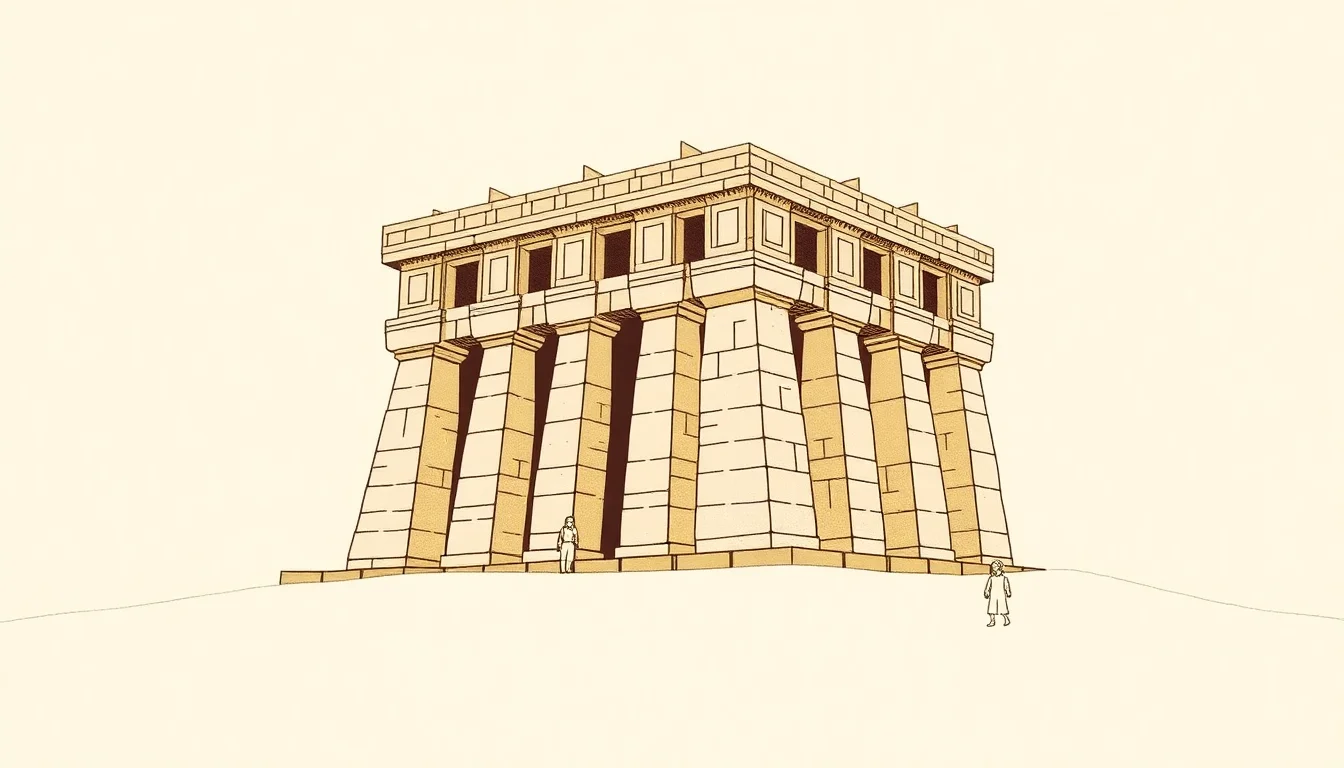
The Tower of Babel has been the subject of numerous artistic representations, including paintings and sculptures. The tower has been depicted in many different ways, including as a massive stone structure, a towering skyscraper, and a symbol of confusion and division. The artistic representations of the tower are diverse and complex, and reflect the many different ways in which the story has been interpreted and reinterpreted over the years.
What is the historical significance of the city of Babylon?
The city of Babylon was a major center of culture and learning in the ancient world. The city was the capital of the Babylonian Empire, and was known for its impressive architecture and sophisticated system of government. The city was also an important center of trade and commerce, with merchants coming from all over the ancient world to buy and sell goods. The city's location made it vulnerable to invasion and conquest, as it was situated near the border of several powerful empires.
Who was Nebuchadnezzar, and what was his role in the history of Babylon?
Nebuchadnezzar was a king of the Babylonian Empire, and is credited with building the Hanging Gardens of Babylon. According to the biblical account, Nebuchadnezzar was a powerful and wise king, who conquered the city of Jerusalem and destroyed the Temple. The story of Nebuchadnezzar and the Hanging Gardens of Babylon has been interpreted in many ways, including as a symbol of the power and wisdom of the Babylonian Empire.