
Contents
- 📊 Introduction to Balance of Payments
- 🌎 Understanding the Components of BoP
- 📈 The Current Account: A Key Component
- 📉 The Capital Account: Investing in the Future
- 📊 The Financial Account: A Closer Look
- 📈 The Reserve Assets: A Nation's Safety Net
- 🌈 Balance of Payments and Exchange Rates
- 📊 The Impact of BoP on a Nation's Economy
- 📊 BoP and Economic Policy
- 📊 Challenges in Measuring Balance of Payments
- 📊 Conclusion: The Pulse of a Nation's Economy
- Frequently Asked Questions
- Related Topics
Overview
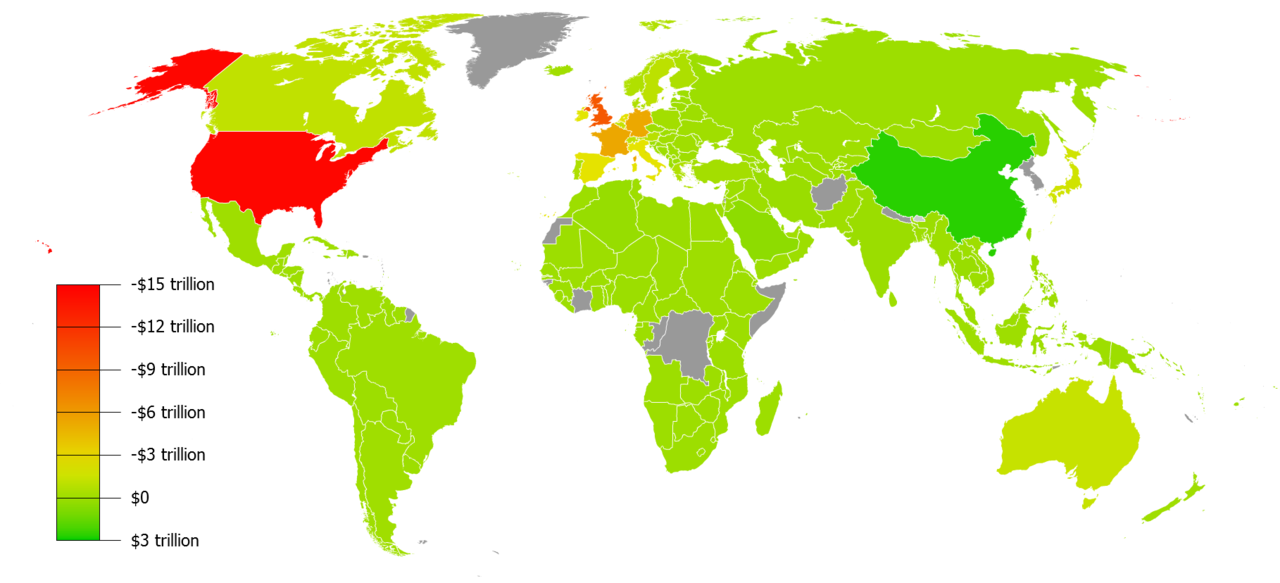
The balance of payments (BOP) is a statistical statement that summarizes a country's economic transactions with the rest of the world over a specific period, typically a year. It's a critical indicator of a nation's economic health, revealing the flow of goods, services, and investments across borders. The BOP is comprised of three main components: the current account, capital account, and financial account. According to the International Monetary Fund (IMF), the global BOP imbalance has been a major concern, with the United States posting a record trade deficit of $679 billion in 2020. The BOP has significant implications for exchange rates, interest rates, and economic growth, making it a closely watched metric by policymakers, investors, and economists. As the global economy continues to evolve, understanding the BOP is crucial for navigating the complexities of international trade and finance, with key players like the IMF, World Bank, and the World Trade Organization (WTO) playing a vital role in shaping the global economic landscape.
📊 Introduction to Balance of Payments
The balance of payments (BoP) is a statistical statement that summarizes all economic transactions between a country and the rest of the world over a specific period of time. It is an essential tool for understanding a nation's economic performance and its position in the global economy. The BoP is made up of several components, including the current account, capital account, and financial account. These accounts provide valuable insights into a country's international trade and investment activities. For instance, the BoP can help policymakers identify areas where a country has a trade deficit or trade surplus.
🌎 Understanding the Components of BoP
The components of the BoP are crucial in understanding the overall health of a nation's economy. The current account records all transactions related to the trade of goods and services, as well as income and transfers. The capital account records transactions related to the acquisition or disposal of non-financial assets, such as direct investment and portfolio investment. The financial account records transactions related to the acquisition or disposal of financial assets, such as stocks, bonds, and loans. These components are interconnected and influence one another, making the BoP a complex and dynamic system. For example, a country with a large trade deficit may need to attract more foreign investment to finance its current account deficit.
📈 The Current Account: A Key Component
The current account is a key component of the BoP, as it reflects a country's trade balance and its ability to generate income from abroad. A trade deficit occurs when a country imports more goods and services than it exports, while a trade surplus occurs when a country exports more goods and services than it imports. The current account also includes income and transfers, such as remittances and foreign aid. A country with a large trade deficit may need to implement policies to reduce its imports and increase its exports, such as tariffs or quotas. On the other hand, a country with a large trade surplus may need to consider policies to reduce its exports and increase its imports, such as export taxes or import subsidies.
📉 The Capital Account: Investing in the Future
The capital account is another important component of the BoP, as it reflects a country's investment activities abroad. Direct investment, portfolio investment, and other investment activities are all recorded in the capital account. A country with a large capital account surplus may be attracting significant amounts of foreign investment, which can help to finance its economic development. For example, a country with a large foreign direct investment inflow may be able to invest in new industries and create jobs. On the other hand, a country with a large capital account deficit may be experiencing a decline in foreign investment, which can limit its economic growth. Countries can use policies such as tax incentives or investment promotion to attract more foreign investment.
📊 The Financial Account: A Closer Look
The financial account provides a detailed picture of a country's financial transactions with the rest of the world. It includes transactions related to the acquisition or disposal of financial assets, such as stocks, bonds, and loans. The financial account is an important component of the BoP, as it reflects a country's ability to attract foreign investment and finance its economic activities. A country with a large financial account surplus may be able to invest in foreign assets, such as foreign bonds or foreign stocks. On the other hand, a country with a large financial account deficit may need to rely on foreign borrowing to finance its economic activities, which can increase its foreign debt.
📈 The Reserve Assets: A Nation's Safety Net
The reserve assets are a critical component of the BoP, as they provide a nation's safety net in times of economic uncertainty. Reserve assets include foreign exchange reserves, gold reserves, and other reserve assets. A country with a large reserve asset base can use these assets to stabilize its currency, finance its imports, and maintain economic stability. For example, a country with a large foreign exchange reserves can use these reserves to defend its currency in times of economic crisis. Countries can use policies such as reserve requirement or foreign exchange intervention to manage their reserve assets.
🌈 Balance of Payments and Exchange Rates
The balance of payments is closely linked to exchange rates, as changes in the exchange rate can affect a country's trade balance and its ability to attract foreign investment. A country with a floating exchange rate may experience fluctuations in its exchange rate, which can affect its trade balance and its ability to attract foreign investment. On the other hand, a country with a fixed exchange rate may be able to maintain a stable exchange rate, but may need to use foreign exchange intervention to defend its currency. Countries can use policies such as exchange rate targeting or monetary policy to manage their exchange rates.
📊 The Impact of BoP on a Nation's Economy
The balance of payments has a significant impact on a nation's economy, as it reflects a country's ability to generate income, attract foreign investment, and finance its economic activities. A country with a large trade deficit or capital account deficit may need to implement policies to reduce its imports and increase its exports, or to attract more foreign investment. On the other hand, a country with a large trade surplus or capital account surplus may be able to invest in new industries and create jobs. Countries can use policies such as fiscal policy or monetary policy to manage their balance of payments and promote economic growth.
📊 BoP and Economic Policy
The balance of payments is an important tool for economic policy, as it provides valuable insights into a country's economic performance and its position in the global economy. Policymakers can use the BoP to identify areas where a country has a trade deficit or trade surplus, and to develop policies to address these imbalances. For example, a country with a large trade deficit may need to implement policies to reduce its imports and increase its exports, such as tariffs or quotas. On the other hand, a country with a large trade surplus may need to consider policies to reduce its exports and increase its imports, such as export taxes or import subsidies.
📊 Challenges in Measuring Balance of Payments
Measuring the balance of payments can be challenging, as it requires accurate and timely data on a country's economic transactions with the rest of the world. However, advances in technology and improvements in data collection have made it possible to measure the BoP with greater accuracy and frequency. Countries can use policies such as data collection or statistical analysis to improve the accuracy of their BoP data. For instance, countries can use big data analytics to analyze their trade data and identify trends and patterns.
📊 Conclusion: The Pulse of a Nation's Economy
In conclusion, the balance of payments is a critical component of a nation's economy, as it reflects a country's ability to generate income, attract foreign investment, and finance its economic activities. The BoP is a complex and dynamic system, and its components are interconnected and influence one another. By understanding the BoP and its components, policymakers can develop policies to promote economic growth, reduce trade deficits, and attract foreign investment. As the global economy continues to evolve, the importance of the balance of payments will only continue to grow, and countries that are able to manage their BoP effectively will be better positioned to succeed in the global economy.
Key Facts
- Year
- 2020
- Origin
- Bretton Woods System, 1944
- Category
- Economics
- Type
- Economic Concept
Frequently Asked Questions
What is the balance of payments?
The balance of payments is a statistical statement that summarizes all economic transactions between a country and the rest of the world over a specific period of time. It is an essential tool for understanding a nation's economic performance and its position in the global economy. The BoP is made up of several components, including the current account, capital account, and financial account. These accounts provide valuable insights into a country's international trade and investment activities.
What are the components of the balance of payments?
The components of the BoP are the current account, capital account, and financial account. The current account records all transactions related to the trade of goods and services, as well as income and transfers. The capital account records transactions related to the acquisition or disposal of non-financial assets, such as direct investment and portfolio investment. The financial account records transactions related to the acquisition or disposal of financial assets, such as stocks, bonds, and loans.
Why is the balance of payments important?
The balance of payments is important because it reflects a country's ability to generate income, attract foreign investment, and finance its economic activities. A country with a large trade deficit or capital account deficit may need to implement policies to reduce its imports and increase its exports, or to attract more foreign investment. On the other hand, a country with a large trade surplus or capital account surplus may be able to invest in new industries and create jobs.
How is the balance of payments measured?
Measuring the balance of payments can be challenging, as it requires accurate and timely data on a country's economic transactions with the rest of the world. However, advances in technology and improvements in data collection have made it possible to measure the BoP with greater accuracy and frequency. Countries can use policies such as data collection or statistical analysis to improve the accuracy of their BoP data.
What are the implications of the balance of payments for economic policy?
The balance of payments has significant implications for economic policy, as it provides valuable insights into a country's economic performance and its position in the global economy. Policymakers can use the BoP to identify areas where a country has a trade deficit or trade surplus, and to develop policies to address these imbalances. For example, a country with a large trade deficit may need to implement policies to reduce its imports and increase its exports, such as tariffs or quotas.
How does the balance of payments affect the global economy?
The balance of payments has a significant impact on the global economy, as it reflects a country's ability to generate income, attract foreign investment, and finance its economic activities. A country with a large trade deficit or capital account deficit may need to implement policies to reduce its imports and increase its exports, or to attract more foreign investment. On the other hand, a country with a large trade surplus or capital account surplus may be able to invest in new industries and create jobs, which can have a positive impact on the global economy.
What are the challenges in measuring the balance of payments?
Measuring the balance of payments can be challenging, as it requires accurate and timely data on a country's economic transactions with the rest of the world. However, advances in technology and improvements in data collection have made it possible to measure the BoP with greater accuracy and frequency. Countries can use policies such as data collection or statistical analysis to improve the accuracy of their BoP data.