
Contents
- 🌼 Introduction to Bees: The Tiny Titans of Ecology
- 🔍 The Classification Conundrum: Unpacking the Complexity of Bee Taxonomy
- 🐝 The Social Structure of Bees: A Look into the Lives of Honey Bees and Bumblebees
- 🌿 The Importance of Bees in Ecosystems: Pollination and Beyond
- 🌻 The Diversity of Bee Species: From Mason Bees to Carpenter Bees
- 🌺 The Unique Characteristics of Solitary Bees: A Contrarian View
- 🌸 The Role of Bees in Human Society: From Honey Production to Crop Pollination
- 🌹 The Challenges Facing Bee Populations: Habitat Loss, Pesticides, and Climate Change
- 🌴 The Future of Bees: Conservation Efforts and Innovative Solutions
- 🌻 Conclusion: The Buzz on Bees and Why They Matter
- 📚 Further Reading: Delving Deeper into the World of Bees
- Frequently Asked Questions
- Related Topics
Overview
Bees, specifically honey bees (Apis mellifera), are some of the most studied and revered insects on the planet, with a history dating back over 100 million years. With their highly social structures, complex communication methods, and indispensable role in pollination, bees contribute to the reproduction of nearly 75% of the world's crop species, including coffee, chocolate, and apples. However, bee populations are facing unprecedented threats from habitat loss, pesticide use, climate change, and varroa mite infestations, prompting widespread concern and conservation efforts. The economic value of pollination services provided by bees is estimated to be around $200 billion annually, highlighting the critical importance of these tiny creatures to global food security. Despite these challenges, bees continue to inspire scientific research, artistic expression, and community engagement, with initiatives like beekeeping, urban bee gardens, and pollinator-friendly habitats gaining popularity. As we look to the future, the fate of bees serves as a bellwether for the health of our ecosystems and our ability to adapt to environmental pressures, with some experts warning that the loss of bee diversity could have catastrophic consequences for food production and ecosystem resilience.
🌼 Introduction to Bees: The Tiny Titans of Ecology
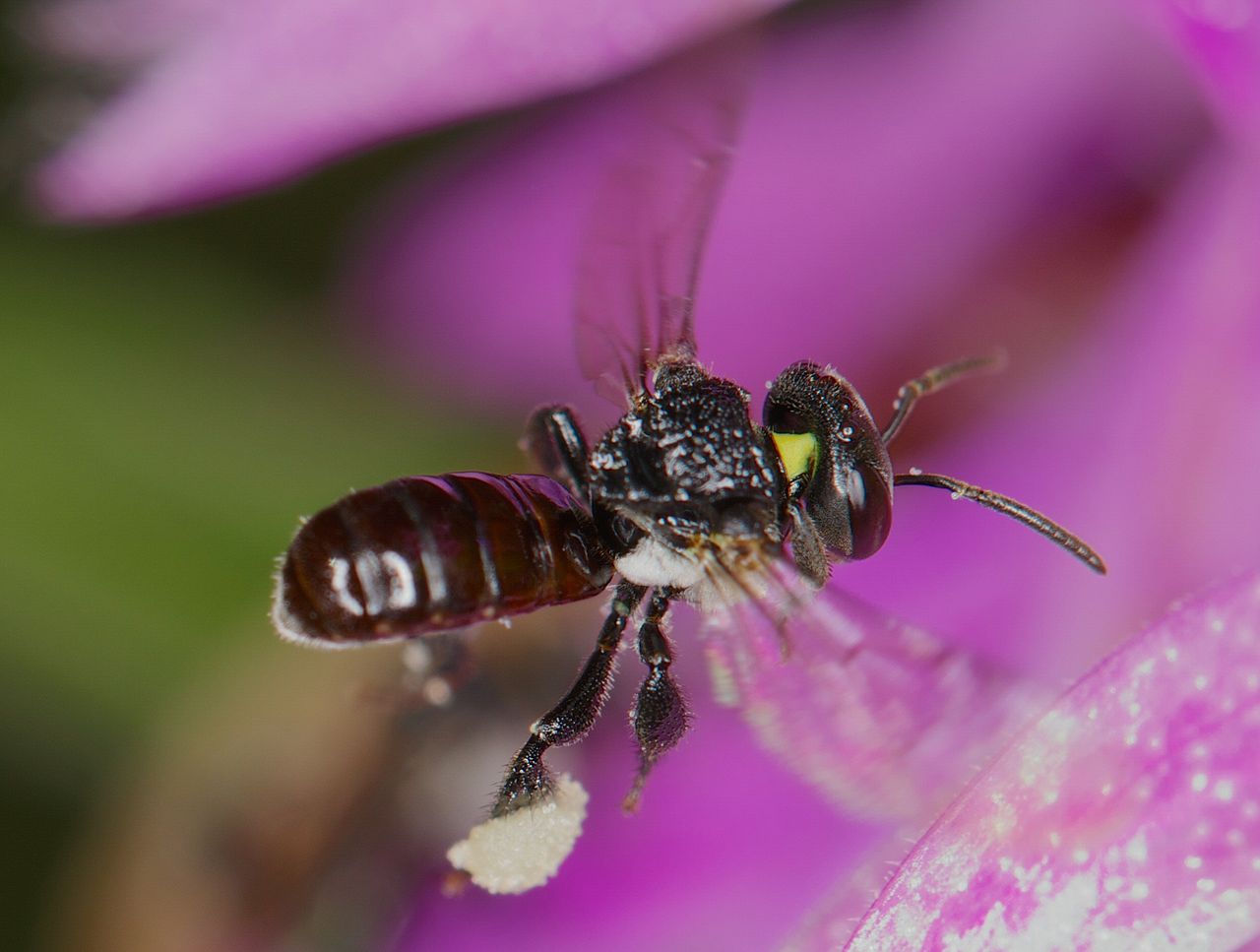
Bees are some of the most fascinating and ecologically important insects on the planet, playing a crucial role in Pollination and Ecosystem health. With over 20,000 known species, bees are a diverse group of insects that are found in almost every corner of the globe. From the Honey Bees that are kept for their honey and wax, to the Bumblebees that are important pollinators of many crops, bees are a vital part of our Environment. As we explore the world of bees, we will delve into the Taxonomy of these insects, and examine the complex social structures of some species, including the Apis genus.
🔍 The Classification Conundrum: Unpacking the Complexity of Bee Taxonomy
The classification of bees is a complex and ongoing process, with new species being discovered all the time. Bees are part of the superfamily Apoidea, which also includes wasps and ants. Within this superfamily, bees are divided into seven recognized families, each with its own unique characteristics and traits. The most well-known family of bees is the Apis genus, which includes the Honey Bees and other closely related species. However, there are many other families of bees, including the Andrenidae and the Colletidae, each with its own distinct features and Evolutionary History.
🌿 The Importance of Bees in Ecosystems: Pollination and Beyond
Bees play a crucial role in ecosystems around the world, and are responsible for pollinating many crops and wildflowers. Without bees, many plants would be unable to reproduce, and our Food System would be severely impacted. In addition to their role in pollination, bees are also important indicators of Ecosystem Health, and can be used to monitor the impact of Climate Change and other environmental stressors. The importance of bees in ecosystems is a topic of great interest to Conservation Biologists and Ecologists, who are working to protect and preserve bee populations.
🌻 The Diversity of Bee Species: From Mason Bees to Carpenter Bees
There are over 20,000 known species of bees, ranging in size, shape, and color. Some species, such as the Honey Bees, are well-known and widely distributed, while others, such as the Leafcutter Bees, are less common and more specialized. Bees can be found in almost every corner of the globe, from the Tropical Rainforests of South America to the Arctic Tundras of North America. The diversity of bee species is a testament to the incredible adaptability and resilience of these insects, and is a topic of great interest to Entomologists and Biologists.
🌺 The Unique Characteristics of Solitary Bees: A Contrarian View
Solitary bees, such as Mason Bees and Carpenter Bees, are often overlooked in favor of their social counterparts, but they are no less fascinating and important. These bees are responsible for pollinating many crops and wildflowers, and are often more efficient and effective pollinators than social bees. The unique characteristics of solitary bees, such as their ability to nest alone and care for their young without the help of a colony, make them a fascinating topic of study for Entomologists and Ecologists.
🌸 The Role of Bees in Human Society: From Honey Production to Crop Pollination
Bees have been an important part of human society for thousands of years, providing us with honey, wax, and other valuable products. In addition to their role in Honey Production, bees are also important pollinators of many crops, including Almonds, Apples, and Blueberries. The role of bees in human society is a complex and multifaceted one, and is a topic of great interest to Agricultural Scientists and Economists.
🌹 The Challenges Facing Bee Populations: Habitat Loss, Pesticides, and Climate Change
Bees are facing numerous challenges in the modern world, including Habitat Loss, Pesticides, and Climate Change. These stressors can have a significant impact on bee populations, and can even lead to the extinction of certain species. The challenges facing bee populations are a topic of great concern to Conservation Biologists and Ecologists, who are working to protect and preserve bee populations. Efforts to conserve bee populations include the creation of Bee-Friendly Habitats and the reduction of Pesticide Use.
🌴 The Future of Bees: Conservation Efforts and Innovative Solutions
As we look to the future, it is clear that bees will continue to play a vital role in ecosystems and human society. However, in order to ensure the long-term health and survival of bee populations, we must take action to address the challenges facing these insects. This can include the creation of Bee-Friendly Habitats, the reduction of Pesticide Use, and the support of Sustainable Agriculture practices. The future of bees is a complex and multifaceted topic, and one that will require the efforts of Conservation Biologists, Ecologists, and Agricultural Scientists working together.
🌻 Conclusion: The Buzz on Bees and Why They Matter
In conclusion, bees are fascinating and ecologically important insects that play a vital role in ecosystems and human society. From their complex social structures to their incredible diversity, bees are a topic of great interest and importance. As we move forward, it is essential that we take action to protect and preserve bee populations, and ensure the long-term health and survival of these incredible insects. For more information on bees and their importance, please see our articles on Pollination, Ecosystem Health, and Conservation Biology.
📚 Further Reading: Delving Deeper into the World of Bees
For further reading on the topic of bees, we recommend checking out the work of Entomologists such as E.O. Wilson and Bernd Heinrich. Their research and writings have greatly advanced our understanding of bees and their importance in ecosystems. Additionally, there are many online resources and Bee Conservation Organizations that provide information and support for bee conservation efforts.
Key Facts
- Year
- 2023
- Origin
- Evolved over 100 million years ago, with modern species emerging around 6 million years ago
- Category
- Biology, Ecology, Entomology
- Type
- Insect, Pollinator, Ecosystem Engineer
Frequently Asked Questions
What is the importance of bees in ecosystems?
Bees play a crucial role in ecosystems around the world, and are responsible for pollinating many crops and wildflowers. Without bees, many plants would be unable to reproduce, and our food system would be severely impacted. Bees are also important indicators of ecosystem health, and can be used to monitor the impact of climate change and other environmental stressors.
What are the main challenges facing bee populations?
Bees are facing numerous challenges in the modern world, including habitat loss, pesticides, and climate change. These stressors can have a significant impact on bee populations, and can even lead to the extinction of certain species. Efforts to conserve bee populations include the creation of bee-friendly habitats and the reduction of pesticide use.
How can I help protect bee populations?
There are many ways to help protect bee populations, including creating bee-friendly habitats, reducing pesticide use, and supporting sustainable agriculture practices. You can also support bee conservation efforts by donating to organizations that work to protect and preserve bee populations.
What is the difference between social and solitary bees?
Social bees, such as honey bees and bumblebees, live in highly hierarchical colonies and are responsible for pollinating many crops and wildflowers. Solitary bees, on the other hand, nest alone and are often more efficient and effective pollinators than social bees. Examples of solitary bees include mason bees and carpenter bees.
How many species of bees are there?
There are over 20,000 known species of bees, ranging in size, shape, and color. Bees can be found in almost every corner of the globe, from the tropical rainforests of South America to the arctic tundras of North America.
What is the role of bees in human society?
Bees have been an important part of human society for thousands of years, providing us with honey, wax, and other valuable products. In addition to their role in honey production, bees are also important pollinators of many crops, including almonds, apples, and blueberries.
What is the future of bees?
As we look to the future, it is clear that bees will continue to play a vital role in ecosystems and human society. However, in order to ensure the long-term health and survival of bee populations, we must take action to address the challenges facing these insects. This can include the creation of bee-friendly habitats, the reduction of pesticide use, and the support of sustainable agriculture practices.