
Contents
Overview
Belgrade, the capital and largest city of Serbia, is a city with a rich history and cultural significance. Located at the confluence of the Sava and Danube rivers, Belgrade is a major city in Southeast Europe. With a population of over 1.1 million people, Belgrade is the third-most populous city on the Danube River. The city's strategic location has made it an important center for trade and commerce, with many Balkan countries relying on its ports and transportation networks. As a result, Belgrade has become a hub for international business and cultural exchange.
🌍 Geographical Location
The geographical location of Belgrade is unique, situated at the crossroads of the Pannonian Plain and the Balkan Peninsula. This location has made Belgrade an important center for trade and commerce, with the Sava and Danube rivers providing a transportation route for goods and people. The city's proximity to the Carpathian Mountains and the Adriatic Sea has also made it an important center for tourism and recreation. Belgrade's location has also made it a key location for international trade, with many European countries relying on its ports and transportation networks. The city's geography has also played a significant role in shaping its history and culture.
📊 Demographics and Population
According to the 2022 census, the population of Belgrade city proper stands at 1,197,114, its contiguous urban area has 1,298,661 inhabitants, while the population of the city's administrative area totals 1,682,720 people. The city's population is diverse, with many ethnic groups represented, including Serbs, Hungarians, and Romani people. The city's population has been growing steadily over the years, with many people moving to Belgrade for education and job opportunities. The city's demographics have also been influenced by its history, with many people moving to Belgrade during times of war and conflict. As a result, Belgrade has become a melting pot of different cultures and traditions.
🏛️ History of Belgrade
The history of Belgrade is long and complex, with the city being ruled by many different empires and dynasties over the years. The city has been an important center for trade and commerce for centuries, with many merchants and traders passing through its ports and markets. The city's strategic location has made it a key location for military campaigns and battles, with many armies fighting for control of the city over the years. The city's history has also been influenced by its culture, with many artists, writers, and musicians contributing to its rich cultural heritage. As a result, Belgrade has become a city with a unique and fascinating history.
🎨 Cultural Significance
Belgrade has a rich cultural significance, with many museums, galleries, and theaters throughout the city. The city is home to many festivals and events, including the Belgrade Festival and the Belgrade Jazz Festival. The city's cultural scene is diverse, with many different genres and styles represented. The city's culture has also been influenced by its history, with many traditional customs and practices still observed today. As a result, Belgrade has become a city with a unique and vibrant culture.
📸 Tourism in Belgrade
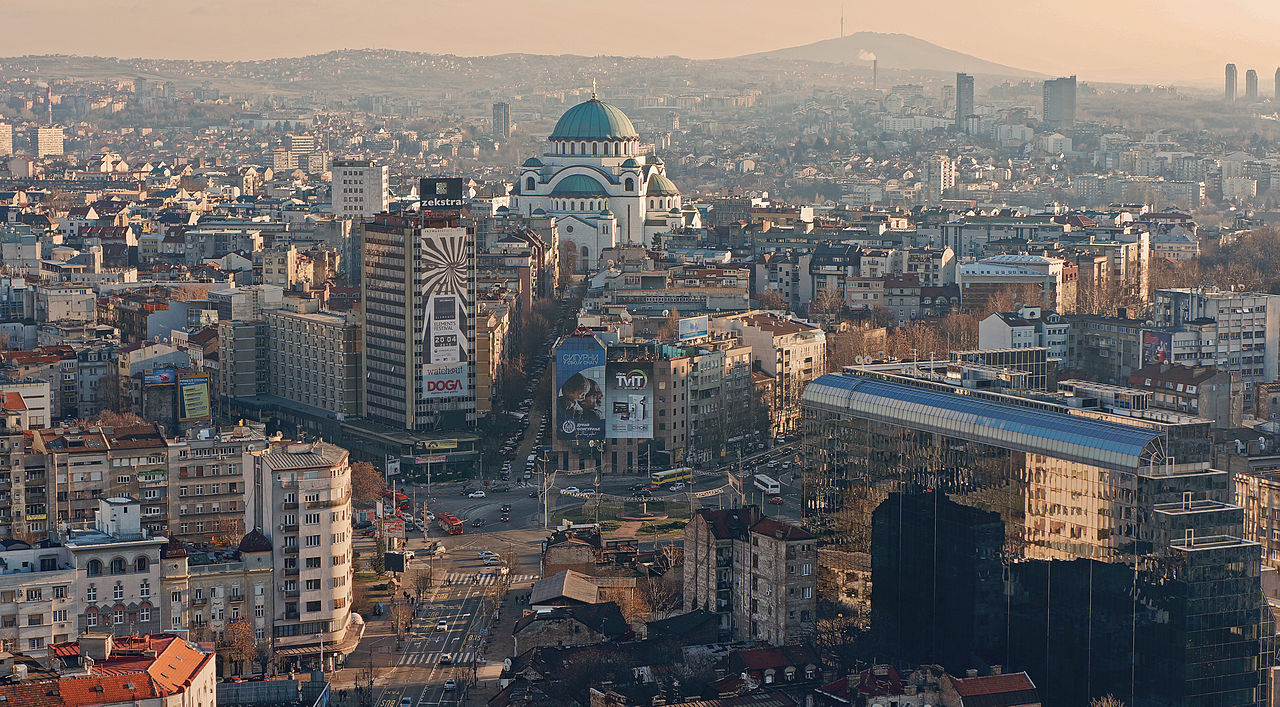
Tourism in Belgrade is a growing industry, with many tourists visiting the city each year. The city's history, culture, and geography make it an attractive destination for travelers. The city is home to many landmarks and attractions, including the Kalemegdan Fortress and the Church of Saint Sava. The city's tourism industry has also been influenced by its cuisine, with many restaurants and cafes serving traditional Serbian cuisine. As a result, Belgrade has become a popular destination for foodies and travelers.
🚣♀️ Rivers and Waterways
The Sava and Danube rivers have played a significant role in the development of Belgrade, with the city's ports and waterways providing a transportation route for goods and people. The city's rivers have also made it an important center for fishing and recreation, with many parks and green spaces along the riverbanks. The city's waterways have also been used for transportation and trade, with many ships and boats passing through the city's ports. As a result, the Sava and Danube rivers have become an integral part of the city's identity.
🏞️ Urban Planning and Architecture
The urban planning and architecture of Belgrade are unique, with many different styles and periods represented. The city's architecture has been influenced by its history, with many buildings and monuments dating back to the Middle Ages. The city's urban planning has also been influenced by its geography, with many parks and green spaces throughout the city. The city's architecture has also been influenced by its culture, with many traditional customs and practices still observed today. As a result, Belgrade has become a city with a unique and fascinating architecture.
📚 Education and Research
Belgrade is home to many universities and research institutions, making it an important center for education and research. The city's universities are highly regarded, with many programs and courses available in a wide range of fields. The city's research institutions are also highly regarded, with many scientists and researchers working on a wide range of projects. The city's education system has also been influenced by its history, with many traditional customs and practices still observed today. As a result, Belgrade has become a city with a highly developed education system.
👥 International Relations
Belgrade has a complex system of international relations, with many countries and organizations having diplomatic relations with the city. The city's international relations have been influenced by its history, with many treaties and agreements signed over the years. The city's diplomatic relations have also been influenced by its geography, with many countries relying on its ports and transportation networks. The city's international relations have also been influenced by its culture, with many cultural exchanges and cooperation agreements signed with other cities and countries. As a result, Belgrade has become a city with a highly developed system of international relations.
Key Facts
- Category
- topic
- Type
- topic
Frequently Asked Questions
What is the population of Belgrade?
The population of Belgrade city proper stands at 1,197,114, its contiguous urban area has 1,298,661 inhabitants, while the population of the city's administrative area totals 1,682,720 people. The city's population is diverse, with many ethnic groups represented. The city's population has been growing steadily over the years, with many people moving to Belgrade for education and job opportunities.
What is the history of Belgrade?
The history of Belgrade is long and complex, with the city being ruled by many different empires and dynasties over the years. The city has been an important center for trade and commerce for centuries, with many merchants and traders passing through its ports and markets. The city's strategic location has made it a key location for military campaigns and battles, with many armies fighting for control of the city over the years.
What are the main attractions in Belgrade?
The main attractions in Belgrade include the Kalemegdan Fortress, the Church of Saint Sava, and the Nikola Tesla Museum. The city is also home to many museums, galleries, and theaters, including the National Museum of Serbia and the Belgrade Philharmonic Orchestra. The city's cultural scene is diverse, with many different genres and styles represented.
What is the economy of Belgrade like?
The economy of Belgrade is diverse, with many different industries represented. The city is an important center for trade and commerce, with many companies and organizations having headquarters or offices in the city. The city's economy has also been influenced by its history, with many traditional customs and practices still observed today.
What is the education system like in Belgrade?
The education system in Belgrade is highly developed, with many universities and research institutions in the city. The city's universities are highly regarded, with many programs and courses available in a wide range of fields. The city's research institutions are also highly regarded, with many scientists and researchers working on a wide range of projects.