
Contents
- 🍊 Introduction to Blood Oranges
- 🌎 Origins and History of Blood Oranges
- 🍴 Culinary Uses of Blood Oranges
- 🍹 Blood Orange Juice and Cocktails
- 🌿 Health Benefits of Blood Oranges
- 🍊 Varieties of Blood Oranges
- 📊 Economics of Blood Orange Production
- 🌈 Cultural Significance of Blood Oranges
- 👨🌾 Farming and Harvesting Blood Oranges
- 🚨 Challenges Facing Blood Orange Farmers
- 🌟 Future of Blood Oranges in the Food Industry
- Frequently Asked Questions
- Related Topics
Overview
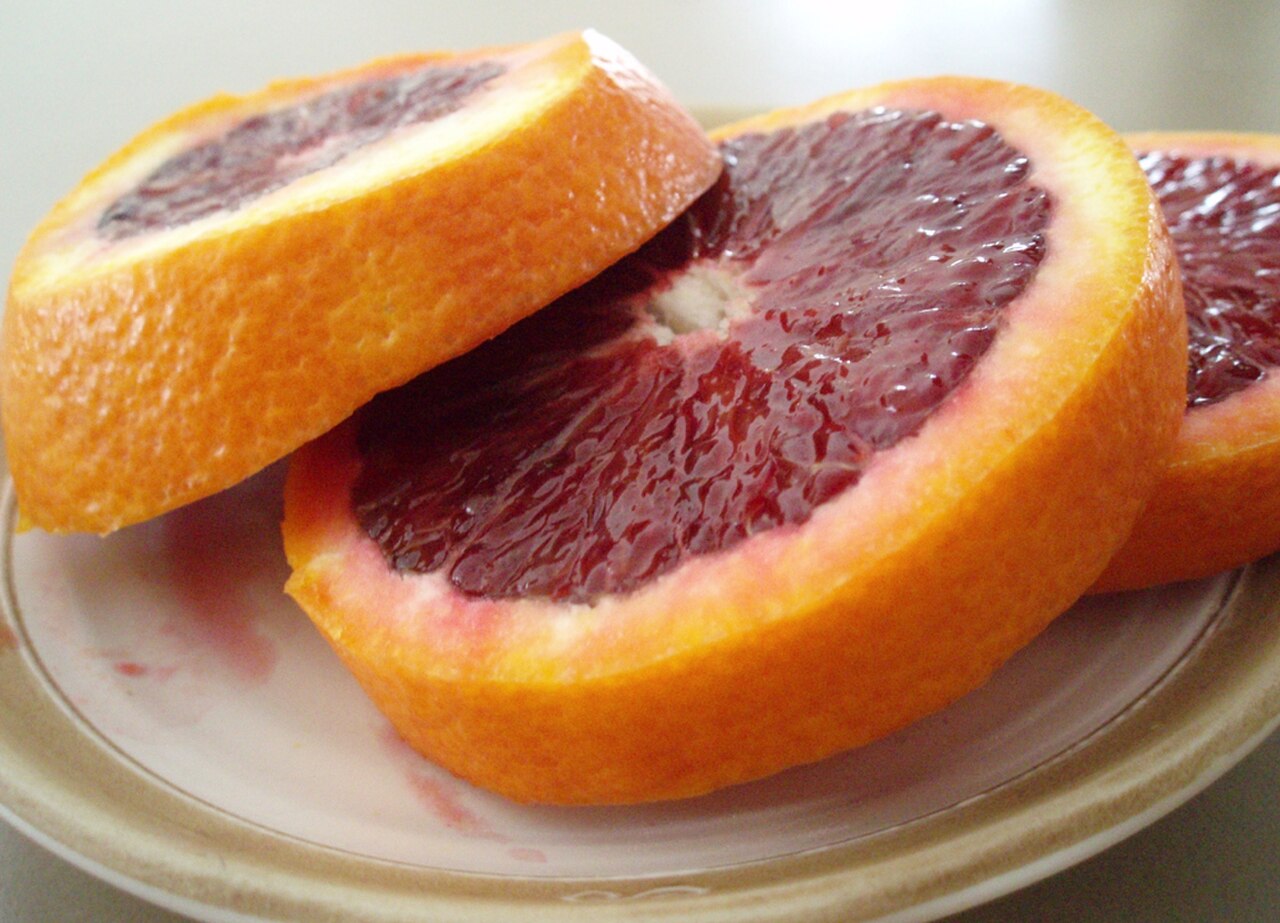
The blood orange, with its deep red flesh and distinctive flavor profile, has captivated the culinary world. Native to the Mediterranean, this citrus fruit has been cultivated since the 18th century, with Italy and Spain being the largest producers. The blood orange's unique characteristics are due to its high concentration of anthocyanins, powerful antioxidants responsible for its vibrant color. With a Vibe score of 8, this fruit has gained a significant following among chefs, foodies, and health enthusiasts. However, its cultivation and trade are also marred by controversy, with issues surrounding water usage, pesticide application, and labor rights. As the demand for blood oranges continues to rise, it is essential to address these concerns and ensure a sustainable future for this beloved fruit. The influence of the blood orange can be seen in its impact on the culinary world, with chefs like Jamie Oliver and Gordon Ramsay featuring it in their recipes, and its connection to the broader topic of sustainable agriculture, with companies like Patagonia and The Nature Conservancy working to promote environmentally-friendly farming practices.
🍊 Introduction to Blood Oranges
The blood orange, also known as the raspberry orange, is a unique variety of orange with its distinctive crimson flesh. This sweet orange variety has been a subject of interest for many due to its vibrant color and potential health benefits. Blood oranges are often used in cooking techniques such as juicing and marmalade making. The history of blood oranges dates back to the Mediterranean region, where they were first cultivated. Today, blood oranges are grown in many parts of the world, including Italy and California.
🌎 Origins and History of Blood Oranges
The origins of blood oranges can be traced back to the 18th century in Italy. They were highly valued for their unique color and flavor, and were often used in Mediterranean cuisine. The history of blood oranges is closely tied to the history of orange cultivation, which dates back thousands of years. Blood oranges were also used in traditional medicine for their potential health benefits. The United States Department of Agriculture has recognized the blood orange as a distinct variety of orange. Orange juice and orange marmalade are two popular products made from blood oranges.
🍴 Culinary Uses of Blood Oranges
Blood oranges are a versatile ingredient and can be used in a variety of culinary applications. They are often used in salad recipes and dessert recipes for their unique flavor and color. Blood oranges are also used in beverage production, such as juice production and cocktail mixing. The flavor profile of blood oranges is often described as sweet and tangy, making them a popular choice for food and beverage applications. Food science plays a crucial role in understanding the properties of blood oranges and their potential uses. Gastronomy is another field that explores the cultural and social aspects of food, including the use of blood oranges in fine dining.
🍹 Blood Orange Juice and Cocktails
Blood orange juice is a popular beverage made from the juice of blood oranges. It is often consumed for its potential health benefits, including high levels of vitamin C and antioxidants. Blood orange juice is also used in cocktail recipes for its unique flavor and color. The mixology of blood orange juice involves combining it with other ingredients to create unique and delicious cocktails. Bar management and beverage service are two important aspects of the hospitality industry that involve the serving of blood orange juice and other beverages. hospitability industry professionals often use blood orange juice as a key ingredient in their beverage menus.
🌿 Health Benefits of Blood Oranges
Blood oranges are rich in nutrients and have been associated with several potential health benefits. They are high in vitamin C, which is important for a healthy immune system. Blood oranges are also a good source of fiber, which can help promote digestive health. The antioxidant properties of blood oranges have been shown to have anti-inflammatory effects, making them a potential ingredient in functional foods. Nutrition science plays a crucial role in understanding the nutritional properties of blood oranges and their potential health benefits. Public health initiatives often promote the consumption of fruits like blood oranges as part of a healthy diet.
🍊 Varieties of Blood Oranges
There are several varieties of blood oranges, each with its own unique characteristics. The Tarocco variety is one of the most widely cultivated and is known for its sweet flavor and low acidity. The Sanguinello variety is another popular variety, known for its deep red color and tangy flavor. Blood oranges are often classified as a type of sweet orange, which includes other varieties like navel orange and Valencia orange. Citrus farming is a significant industry that involves the cultivation of blood oranges and other citrus varieties. Agricultural science plays a crucial role in understanding the cultivation and production of blood oranges.
📊 Economics of Blood Orange Production
The economics of blood orange production are complex and involve several factors, including climate change and market trends. Blood oranges are a niche product and are often more expensive than other types of oranges. The production cost of blood oranges is higher due to the labor-intensive process of harvesting and processing. However, the unique flavor and color of blood oranges make them a valuable ingredient in the food and beverage industry. Agricultural economics plays a crucial role in understanding the economic aspects of blood orange production. Business management and marketing strategy are two important aspects of the blood orange industry that involve the promotion and sale of blood oranges.
🌈 Cultural Significance of Blood Oranges
Blood oranges have a significant cultural significance in many parts of the world. In Italy, blood oranges are a symbol of good luck and are often given as gifts during the Christmas season. In United States, blood oranges are often used in Thanksgiving recipes and are a popular ingredient in holiday cooking. The cultural significance of blood oranges is closely tied to their unique flavor and color, which make them a popular choice for special occasions. Food culture plays a crucial role in understanding the cultural significance of blood oranges and their use in different cuisines. Social science explores the social and cultural aspects of food, including the use of blood oranges in social gatherings.
👨🌾 Farming and Harvesting Blood Oranges
The farming and harvesting of blood oranges are labor-intensive processes that require careful attention to detail. Blood oranges are typically harvested by hand, as they are delicate and easily damaged. The farming practices used to cultivate blood oranges are often traditional and involve the use of organic farming methods. Sustainable agriculture is an important aspect of blood orange farming, as it involves the use of environmentally friendly practices to promote soil health and conserve water. Environmental science plays a crucial role in understanding the environmental impact of blood orange farming and the importance of sustainable practices.
🚨 Challenges Facing Blood Orange Farmers
Blood orange farmers face several challenges, including climate change and market fluctuations. The production cost of blood oranges is high, making it difficult for farmers to compete with other types of oranges. The labor shortage in the agricultural industry is another challenge faced by blood orange farmers, as it can be difficult to find workers to harvest the oranges. Agricultural policy plays a crucial role in supporting blood orange farmers and promoting the production of blood oranges. rural development initiatives often focus on supporting small-scale farmers and promoting sustainable agriculture practices.
🌟 Future of Blood Oranges in the Food Industry
The future of blood oranges in the food industry is promising, with increasing demand for unique and exotic ingredients. The food trend towards healthier and more sustainable food options is expected to drive the demand for blood oranges. The beverage industry is also expected to play a significant role in promoting the use of blood oranges, with the increasing popularity of craft beverages. Food innovation plays a crucial role in developing new products and applications for blood oranges, and food technology is expected to play a key role in improving the production and processing of blood oranges.
Key Facts
- Year
- 1780
- Origin
- Sicily, Italy
- Category
- Food and Beverage
- Type
- Food
Frequently Asked Questions
What is the difference between a blood orange and a regular orange?
Blood oranges are a variety of orange with crimson, near blood-colored flesh. They are sweeter and have a more complex flavor profile than regular oranges. Blood oranges are also higher in antioxidants and have been associated with several potential health benefits. The unique flavor and color of blood oranges make them a popular choice for culinary applications and beverage production. Food science plays a crucial role in understanding the properties of blood oranges and their potential uses.
How are blood oranges harvested?
Blood oranges are typically harvested by hand, as they are delicate and easily damaged. The harvesting process involves carefully selecting the oranges and removing them from the tree to avoid damaging the fruit. Farming practices used to cultivate blood oranges are often traditional and involve the use of organic farming methods. Sustainable agriculture is an important aspect of blood orange farming, as it involves the use of environmentally friendly practices to promote soil health and conserve water.
What are the health benefits of blood oranges?
Blood oranges are rich in nutrients and have been associated with several potential health benefits. They are high in vitamin C, which is important for a healthy immune system. Blood oranges are also a good source of fiber, which can help promote digestive health. The antioxidant properties of blood oranges have been shown to have anti-inflammatory effects, making them a potential ingredient in functional foods. Nutrition science plays a crucial role in understanding the nutritional properties of blood oranges and their potential health benefits.
Can blood oranges be grown at home?
Yes, blood oranges can be grown at home, but they require careful attention to detail and a suitable climate. Blood oranges are typically grown in warm and subtropical regions, and require a lot of sunlight and water to thrive. Gardening tips and citrus care are essential for growing blood oranges at home. Horticulture is the study of the cultivation of fruits, including blood oranges, and can provide valuable insights into the care and maintenance of blood orange trees.
What are some popular recipes that use blood oranges?
Blood oranges are a versatile ingredient and can be used in a variety of culinary applications. They are often used in salad recipes and dessert recipes for their unique flavor and color. Blood oranges are also used in beverage production, such as juice production and cocktail mixing. The flavor profile of blood oranges is often described as sweet and tangy, making them a popular choice for food and beverage applications. Gastronomy is another field that explores the cultural and social aspects of food, including the use of blood oranges in fine dining.
How do I store blood oranges to keep them fresh?
Blood oranges are a delicate fruit and require careful storage to keep them fresh. They should be stored in a cool and dry place, away from direct sunlight and heat. The storage conditions for blood oranges are similar to those for other citrus fruits, and involve keeping them in a sealed container or bag to maintain humidity and prevent moisture loss. Food safety is an important consideration when storing blood oranges, as they can be susceptible to spoilage and contamination if not handled properly.
Can blood oranges be used for medicinal purposes?
Yes, blood oranges have been used for medicinal purposes for centuries. The antioxidant properties of blood oranges have been shown to have anti-inflammatory effects, making them a potential ingredient in functional foods. Blood oranges are also high in vitamin C, which is important for a healthy immune system. Traditional medicine has long recognized the potential health benefits of blood oranges, and they are often used in herbal remedies and natural therapies.