
Contents
- 🏋️♂️ Introduction to Bodyweight Exercises
- 🔍 History of Calisthenics
- 🏃♀️ Benefits of Bodyweight Training
- 🤔 How Bodyweight Exercises Work
- 📈 Progressive Overload in Bodyweight Training
- 🌎 Cultural Significance of Bodyweight Exercises
- 📊 Science Behind Bodyweight Training
- 👥 Community and Trends in Bodyweight Exercises
- 📚 Resources for Learning Bodyweight Exercises
- 🏆 Competitive Bodyweight Exercises
- 🤕 Injury Prevention and Recovery in Bodyweight Training
- Frequently Asked Questions
- Related Topics
Overview
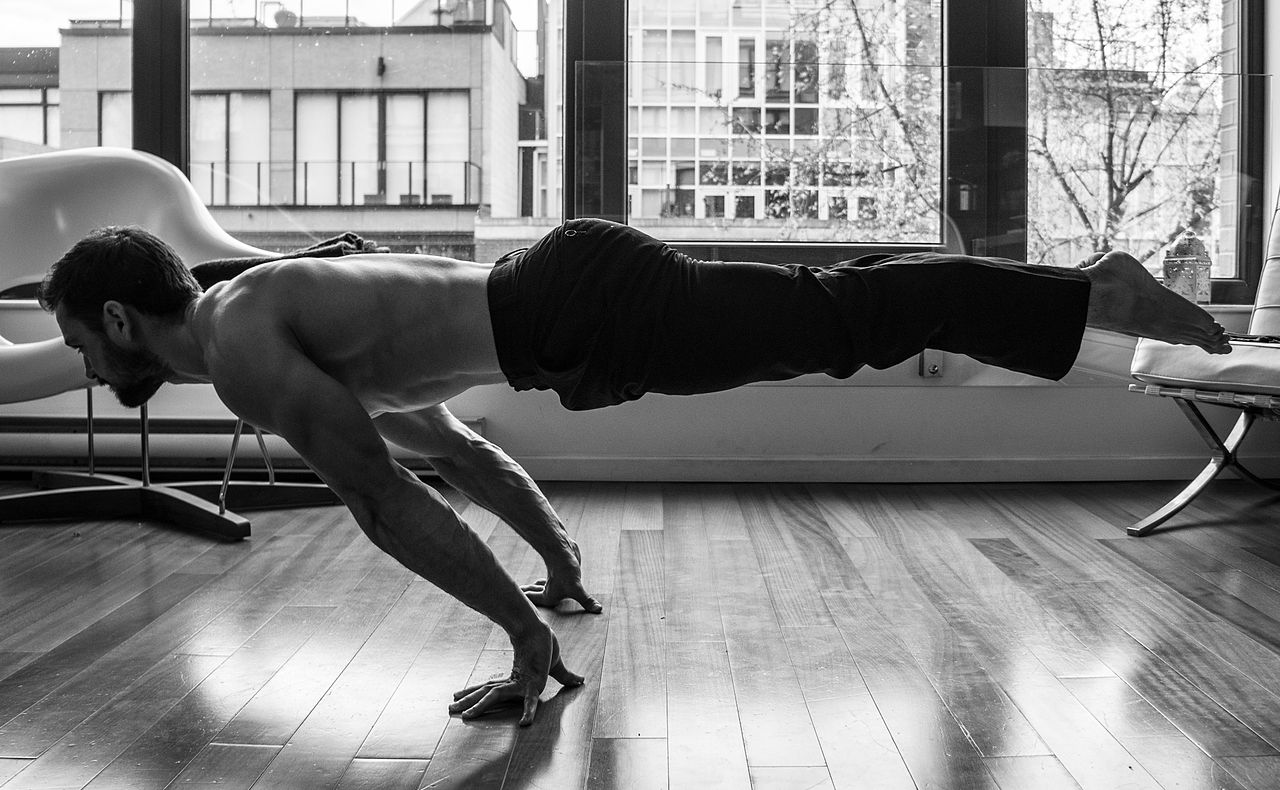
Bodyweight exercises, also known as calisthenics, are a form of strength training that utilizes an individual's body weight as resistance to perform multi-joint, compound movements with little or no equipment. This type of training has been around for centuries, with ancient civilizations such as the Greeks and Romans using bodyweight exercises to improve their physical fitness. Today, bodyweight exercises are used by people all over the world, from professional athletes to casual fitness enthusiasts, and are a key component of many fitness programs. For example, [[yoga|yoga] ]and pilates are two popular forms of bodyweight exercise that focus on flexibility, balance, and core strength. Bodyweight exercises are also a key part of many martial arts disciplines, such as karate and taekwondo.
🔍 History of Calisthenics
The history of calisthenics dates back to ancient Greece, where it was used as a form of training for athletes and warriors. The word 'calisthenics' comes from the Greek words 'kalos' (beauty) and 'sthenos' (strength), and was originally used to describe a form of exercise that combined strength, flexibility, and beauty. Over time, calisthenics evolved and spread to other parts of the world, with different cultures adapting and modifying the exercises to suit their own needs and preferences. Today, calisthenics is a global phenomenon, with a thriving community of practitioners and a wide range of workout routines and exercise programs available. For example, crossfit is a popular form of calisthenics that combines elements of gymnastics, weightlifting, and cardio exercise. Other forms of calisthenics include gymnastics and parkour, which emphasize athleticism and agility.
🏃♀️ Benefits of Bodyweight Training
Bodyweight training offers a wide range of benefits, from improved strength and flexibility to increased cardiovascular fitness and weight loss. One of the biggest advantages of bodyweight exercises is that they can be done anywhere, at any time, without the need for specialized equipment or a gym membership. This makes them a great option for people who are traveling, or who prefer to work out at home. Bodyweight exercises are also a great way to improve functional strength, which is the ability to perform everyday tasks and activities with ease and efficiency. For example, squats and lunges are two bodyweight exercises that can help improve functional strength in the legs and hips. Other benefits of bodyweight training include improved balance and coordination, as well as increased flexibility and mobility.
🤔 How Bodyweight Exercises Work
So how do bodyweight exercises actually work? The basic principle is simple: by using your own body weight as resistance, you can challenge your muscles and improve your strength and fitness. This can be done through a variety of movements, such as pushing, pulling, squatting, and lunging. The key is to use proper form and technique, and to gradually increase the difficulty of the exercises as you get stronger. For example, push-ups are a classic bodyweight exercise that work the chest, shoulders, and triceps. Other examples include pull-ups, dips, and planks. Bodyweight exercises can also be modified to suit different fitness levels and goals, such as beginner workouts and advanced workouts.
📈 Progressive Overload in Bodyweight Training
One of the key principles of bodyweight training is progressive overload, which means gradually increasing the difficulty of the exercises over time to continue challenging the muscles and promoting progress. This can be done in a variety of ways, such as increasing the number of repetitions, decreasing rest time between sets, or adding weight or resistance to the exercises. For example, resistance bands can be used to add an extra level of challenge to bodyweight exercises like bicep curls and tricep extensions. Other ways to increase progressive overload include plyometrics and isometrics, which involve explosive and static contractions of the muscles. By gradually increasing the difficulty of the exercises, you can continue to make progress and achieve your fitness goals.
🌎 Cultural Significance of Bodyweight Exercises
Bodyweight exercises have a significant cultural significance, with a thriving community of practitioners and a wide range of cultural and historical influences. From the ancient Greek Olympics to modern-day fitness trends, bodyweight exercises have played a major role in shaping our understanding of physical fitness and athleticism. Today, bodyweight exercises are used by people all over the world, from professional athletes to casual fitness enthusiasts, and are a key component of many fitness culture and wellness movements. For example, yoga culture and crossfit culture are two popular fitness movements that emphasize bodyweight exercises and community involvement. Other cultural influences include martial arts culture and dance culture, which often incorporate bodyweight exercises and movements.
📊 Science Behind Bodyweight Training
The science behind bodyweight training is complex and multifaceted, involving a range of physiological and biomechanical principles. When you perform a bodyweight exercise, you are using your muscles to generate force and move your body through space. This requires a combination of strength, power, and endurance, as well as proper form and technique. For example, muscule physiology and exercise physiology are two key areas of study that can help us understand how bodyweight exercises work and how to optimize their effectiveness. Other scientific principles include biomechanics and kinesiology, which involve the study of human movement and exercise. By understanding the science behind bodyweight training, you can optimize your workouts and achieve your fitness goals more effectively.
👥 Community and Trends in Bodyweight Exercises
The community and trends in bodyweight exercises are constantly evolving, with new movements and styles emerging all the time. From the rise of crossfit and yoga to the growth of calisthenics and street workout communities, there are many different ways to get involved and connect with others who share your passion for bodyweight exercises. For example, fitness events and workout challenges are two popular ways to connect with others and stay motivated. Other trends include online fitness communities and social media fitness, which provide a platform for sharing workouts and connecting with others. By getting involved in the bodyweight exercise community, you can stay motivated and inspired to reach your fitness goals.
📚 Resources for Learning Bodyweight Exercises
There are many resources available for learning bodyweight exercises, from online tutorials and videos to books and workout programs. For example, fitness apps and workout videos are two popular ways to learn new exercises and follow along with workouts. Other resources include fitness blogs and fitness forums, which provide a wealth of information and advice on bodyweight training and fitness. By taking advantage of these resources, you can learn new exercises, stay motivated, and achieve your fitness goals more effectively. Additionally, personal training and group fitness classes are two great ways to get personalized instruction and feedback on your form and technique.
🏆 Competitive Bodyweight Exercises
Competitive bodyweight exercises are a growing trend, with many athletes and fitness enthusiasts competing in events and competitions around the world. For example, calisthenics competitions and street workout competitions are two popular types of events that involve bodyweight exercises and movements. Other examples include fitness competitions and obstacle course racing, which often involve bodyweight exercises and challenges. By competing in these events, you can test your skills, push yourself to new heights, and connect with others who share your passion for bodyweight exercises.
🤕 Injury Prevention and Recovery in Bodyweight Training
Injury prevention and recovery are critical components of bodyweight training, as they can help you avoid setbacks and stay on track with your fitness goals. For example, warm-up routines and cool-down stretches are two important ways to prevent injury and promote recovery. Other strategies include proper form and technique, listening to your body, and getting enough rest and recovery. By prioritizing injury prevention and recovery, you can stay healthy, avoid setbacks, and achieve your fitness goals more effectively. Additionally, physical therapy and sports massage are two great ways to recover from injuries and improve your overall fitness and well-being.
Key Facts
- Category
- topic
- Type
- topic
Frequently Asked Questions
What are bodyweight exercises?
Bodyweight exercises, also known as calisthenics, are a form of strength training that utilizes an individual's body weight as resistance to perform multi-joint, compound movements with little or no equipment. Examples include push-ups, pull-ups, squats, and lunges. Bodyweight exercises are a great way to improve strength, flexibility, and overall fitness, and can be done anywhere, at any time. For more information, check out our calisthenics and fitness pages.
What are the benefits of bodyweight training?
The benefits of bodyweight training include improved strength, flexibility, and cardiovascular fitness, as well as increased functional strength and weight loss. Bodyweight exercises are also a great way to improve balance, coordination, and overall athleticism. Additionally, bodyweight training can be done anywhere, at any time, without the need for specialized equipment or a gym membership. For more information, check out our fitness benefits and workout routines pages.
How do I get started with bodyweight exercises?
To get started with bodyweight exercises, begin by learning proper form and technique for basic exercises like push-ups, pull-ups, squats, and lunges. Start with lower-intensity exercises and gradually increase the difficulty as you get stronger. You can also find many online resources and workout programs to help you get started. For example, check out our beginner workouts and fitness apps pages for more information.
What are some common bodyweight exercises?
Some common bodyweight exercises include push-ups, pull-ups, squats, lunges, planks, and dips. These exercises work multiple muscle groups and can be modified to suit different fitness levels and goals. For more information, check out our exercise database and workout routines pages.
How often should I do bodyweight exercises?
The frequency of bodyweight exercises depends on your fitness goals and current fitness level. Generally, it's recommended to do bodyweight exercises 2-3 times per week, with at least one day of rest in between. However, this can vary depending on your individual needs and goals. For example, check out our workout schedules and fitness planning pages for more information.
Can I do bodyweight exercises if I'm a beginner?
Yes, bodyweight exercises are a great way to get started with fitness, even if you're a beginner. Start with lower-intensity exercises and gradually increase the difficulty as you get stronger. You can also find many online resources and workout programs to help you get started. For example, check out our beginner workouts and fitness apps pages for more information.
What are some common mistakes to avoid when doing bodyweight exercises?
Some common mistakes to avoid when doing bodyweight exercises include using poor form and technique, not warming up properly, and not listening to your body. It's also important to start with lower-intensity exercises and gradually increase the difficulty as you get stronger. For more information, check out our exercise safety and fitness tips pages.