
Overview
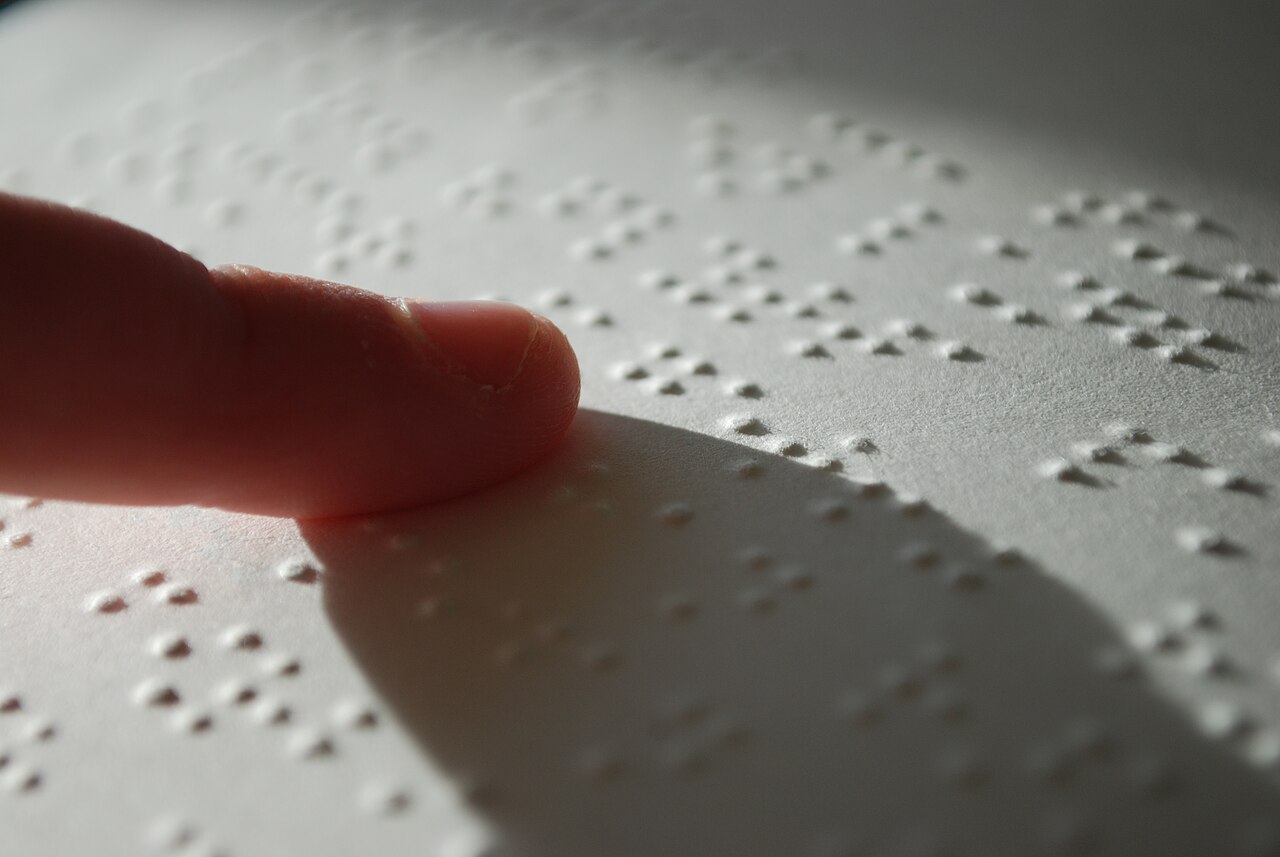
Braille, developed by Louis Braille in 1824, is a tactile writing system that enables visually impaired individuals to read and write through raised dots. With a vibe score of 8, braille has become an integral part of blind culture, symbolizing independence and self-sufficiency. However, its adoption has been hindered by controversies surrounding its relevance in the digital age and the high cost of braille displays. Despite these challenges, braille remains a crucial tool for literacy and communication, with over 50,000 braille readers in the United States alone. As technology advances, the future of braille is uncertain, with some advocating for its integration into mainstream education and others pushing for more digital solutions. The influence of braille can be seen in the work of organizations such as the National Federation of the Blind, which has been a driving force in promoting braille literacy since its founding in 1940.
Key Facts
- Year
- 1824
- Origin
- France
- Category
- Language and Accessibility
- Type
- Writing System