
Contents
- 👶 Introduction to Breast Milk
- 💡 Composition of Breast Milk
- 🌟 Benefits of Breast Milk for Infants
- 🤝 Role of Breast Milk in Immune System Development
- 🧬 Breast Milk and Gut Microbiome
- 📊 Nutritional Content of Breast Milk
- 👩🍼 Breastfeeding and Mother-Infant Bonding
- 🤔 Challenges and Controversies Surrounding Breast Milk
- 🌎 Cultural and Societal Perspectives on Breastfeeding
- 📚 History of Breast Milk and Infant Nutrition
- 👥 Support Systems for Breastfeeding Mothers
- Frequently Asked Questions
- Related Topics
Overview
Breast milk is widely regarded as the optimal form of nutrition for infants, with the World Health Organization (WHO) recommending exclusive breastfeeding for the first six months of life. However, the conversation around breast milk is complex and multifaceted, with debates surrounding its composition, production, and distribution. For example, did you know that breast milk contains over 200 unique oligosaccharides, which are thought to play a crucial role in shaping an infant's gut microbiome? Despite its numerous benefits, breastfeeding rates remain low in many parts of the world, with only 40% of infants under six months being exclusively breastfed, according to a 2020 report by the WHO. Furthermore, the rise of breast milk banking and sharing has raised questions about the ethics and safety of this practice, with some arguing that it can help alleviate infant nutrition disparities, while others express concerns about the potential risks of disease transmission. As research continues to uncover the intricacies of breast milk, it is clear that this topic will remain a contentious and fascinating area of study. With a vibe score of 8, indicating a high level of cultural energy and resonance, the conversation around breast milk is sure to continue evolving in the years to come. The influence of key figures, such as Dr. Katherine Dettwyler, a prominent lactation researcher, and organizations, like the International Lactation Consultant Association, will likely shape the future of breast milk research and policy.
👶 Introduction to Breast Milk
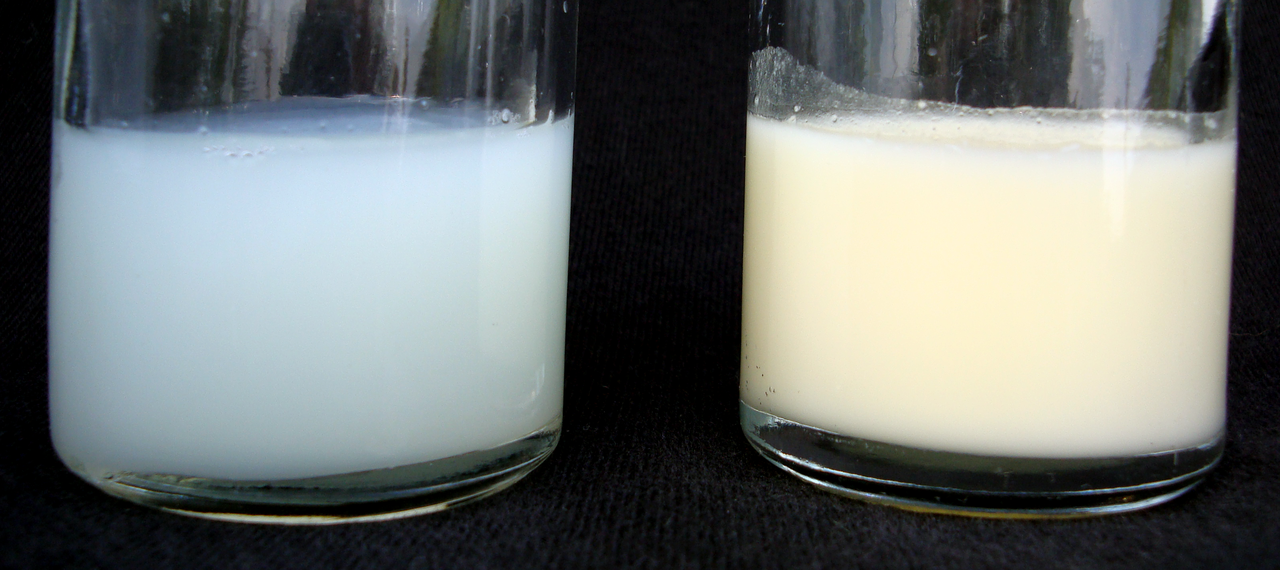
Breast milk, also known as mother's milk, is a complex and dynamic substance produced by the mammary glands in the breasts of women. As the primary source of nutrition for newborn infants, breast milk comprises a rich mixture of fats, proteins, carbohydrates, and a varying composition of minerals and vitamins. Breast milk also contains substances that help protect an infant against infection and inflammation, such as symbiotic bacteria and other microorganisms and immunoglobulin A, whilst also contributing to the healthy development of the infant's immune system and gut microbiome. For more information on the importance of breast milk, visit the World Health Organization website. Additionally, the American Academy of Pediatrics provides guidance on breastfeeding and infant nutrition.
💡 Composition of Breast Milk
The composition of breast milk is unique and dynamic, changing to meet the evolving needs of the infant. Breast milk contains a rich mixture of fatty acids, amino acids, and oligosaccharides, which provide energy, support growth and development, and promote the establishment of a healthy gut microbiome. The lactation process is regulated by a complex interplay of hormones, including prolactin and oxytocin, which stimulate milk production and release. For more information on the composition of breast milk, visit the National Institutes of Health website. The Food and Drug Administration also provides guidance on the safety of breast milk and breastfeeding.
🌟 Benefits of Breast Milk for Infants
Breast milk provides numerous benefits for infants, including optimal nutrition, immune system support, and protection against infections and diseases. Breast milk also contains substances that help regulate the infant's digestive system and promote the establishment of a healthy gut microbiome. The World Health Organization recommends exclusive breastfeeding for the first six months of life, with continued breastfeeding along with solid foods until at least two years of age. For more information on the benefits of breastfeeding, visit the Centers for Disease Control and Prevention website. The UNICEF also provides guidance on breastfeeding and infant nutrition.
🤝 Role of Breast Milk in Immune System Development
Breast milk plays a critical role in the development of the infant's immune system, providing essential nutrients and substances that help protect against infections and diseases. The immunoglobulins present in breast milk, such as immunoglobulin A, help protect the infant's gastrointestinal tract and respiratory system from pathogens. For more information on the role of breast milk in immune system development, visit the National Institutes of Health website. The American Academy of Pediatrics also provides guidance on breastfeeding and immune system development.
🧬 Breast Milk and Gut Microbiome
Breast milk contains a unique mixture of oligosaccharides and other substances that help establish a healthy gut microbiome in the infant. The gut microbiome plays a critical role in the development of the infant's immune system and overall health, and an imbalance of the gut microbiome has been linked to various diseases and disorders. For more information on the role of breast milk in gut microbiome development, visit the World Health Organization website. The Food and Drug Administration also provides guidance on the safety of breast milk and breastfeeding.
📊 Nutritional Content of Breast Milk
The nutritional content of breast milk is dynamic and changes to meet the evolving needs of the infant. Breast milk contains a rich mixture of fatty acids, amino acids, and oligosaccharides, which provide energy, support growth and development, and promote the establishment of a healthy gut microbiome. The lactation process is regulated by a complex interplay of hormones, including prolactin and oxytocin, which stimulate milk production and release. For more information on the nutritional content of breast milk, visit the National Institutes of Health website. The American Academy of Pediatrics also provides guidance on breastfeeding and infant nutrition.
👩🍼 Breastfeeding and Mother-Infant Bonding
Breastfeeding is not only essential for the infant's physical health but also plays a critical role in the development of the mother-infant bond. The physical contact and closeness associated with breastfeeding help release oxytocin and other hormones that promote feelings of love and attachment. For more information on the benefits of breastfeeding for mother-infant bonding, visit the World Health Organization website. The UNICEF also provides guidance on breastfeeding and mother-infant bonding.
🤔 Challenges and Controversies Surrounding Breast Milk
Despite the numerous benefits of breast milk, there are also challenges and controversies surrounding breastfeeding. Some mothers may experience difficulties with lactation, such as low milk supply or nipple pain, while others may face societal or cultural barriers to breastfeeding. For more information on the challenges and controversies surrounding breastfeeding, visit the Centers for Disease Control and Prevention website. The Food and Drug Administration also provides guidance on the safety of breast milk and breastfeeding.
🌎 Cultural and Societal Perspectives on Breastfeeding
Breastfeeding is a complex and multifaceted issue that is influenced by cultural, societal, and economic factors. In some cultures, breastfeeding is highly valued and widely accepted, while in others it may be stigmatized or discouraged. For more information on the cultural and societal perspectives on breastfeeding, visit the World Health Organization website. The UNICEF also provides guidance on breastfeeding and cultural perspectives.
📚 History of Breast Milk and Infant Nutrition
The history of breast milk and infant nutrition is complex and multifaceted, with evidence of breastfeeding dating back to ancient civilizations. The World Health Organization recommends exclusive breastfeeding for the first six months of life, with continued breastfeeding along with solid foods until at least two years of age. For more information on the history of breast milk and infant nutrition, visit the National Institutes of Health website. The American Academy of Pediatrics also provides guidance on breastfeeding and infant nutrition.
👥 Support Systems for Breastfeeding Mothers
Support systems for breastfeeding mothers are essential for promoting and sustaining breastfeeding. This can include lactation consultants, breastfeeding support groups, and online resources. For more information on support systems for breastfeeding mothers, visit the Centers for Disease Control and Prevention website. The UNICEF also provides guidance on breastfeeding and support systems.
Key Facts
- Year
- 2020
- Origin
- Human Lactation
- Category
- Health and Wellness
- Type
- Biological Substance
Frequently Asked Questions
What is the recommended duration of exclusive breastfeeding?
The World Health Organization recommends exclusive breastfeeding for the first six months of life, with continued breastfeeding along with solid foods until at least two years of age. For more information on breastfeeding recommendations, visit the Centers for Disease Control and Prevention website. The American Academy of Pediatrics also provides guidance on breastfeeding and infant nutrition.
What are the benefits of breast milk for infants?
Breast milk provides numerous benefits for infants, including optimal nutrition, immune system support, and protection against infections and diseases. Breast milk also contains substances that help regulate the infant's digestive system and promote the establishment of a healthy gut microbiome. For more information on the benefits of breastfeeding, visit the National Institutes of Health website.
How does breast milk support the development of the infant's immune system?
Breast milk contains essential nutrients and substances that help protect the infant against infections and diseases. The immunoglobulins present in breast milk, such as immunoglobulin A, help protect the infant's gastrointestinal tract and respiratory system from pathogens. For more information on the role of breast milk in immune system development, visit the World Health Organization website.
What are the challenges and controversies surrounding breastfeeding?
Despite the numerous benefits of breast milk, there are also challenges and controversies surrounding breastfeeding. Some mothers may experience difficulties with lactation, such as low milk supply or nipple pain, while others may face societal or cultural barriers to breastfeeding. For more information on the challenges and controversies surrounding breastfeeding, visit the Centers for Disease Control and Prevention website.
How can breastfeeding mothers access support systems?
Support systems for breastfeeding mothers are essential for promoting and sustaining breastfeeding. This can include lactation consultants, breastfeeding support groups, and online resources. For more information on support systems for breastfeeding mothers, visit the UNICEF website.
What is the role of breast milk in gut microbiome development?
Breast milk contains a unique mixture of oligosaccharides and other substances that help establish a healthy gut microbiome in the infant. The gut microbiome plays a critical role in the development of the infant's immune system and overall health, and an imbalance of the gut microbiome has been linked to various diseases and disorders. For more information on the role of breast milk in gut microbiome development, visit the National Institutes of Health website.
How does breastfeeding affect the mother-infant bond?
Breastfeeding is not only essential for the infant's physical health but also plays a critical role in the development of the mother-infant bond. The physical contact and closeness associated with breastfeeding help release oxytocin and other hormones that promote feelings of love and attachment. For more information on the benefits of breastfeeding for mother-infant bonding, visit the World Health Organization website.