
Contents
- 🏞️ Introduction to British Columbia
- 🌄 Geography and Climate
- 🏔️ Natural Wonders and Landscapes
- 🌆 Urban Centers and Population
- 🏛️ Politics and Governance
- 🎨 Cultural Diversity and Heritage
- 📊 Economy and Industry
- 🚀 Tourism and Outdoor Activities
- 🌈 Environmental Concerns and Conservation
- 🤝 Indigenous Relations and Reconciliation
- 📚 Education and Research
- Frequently Asked Questions
- Related Topics
Overview
British Columbia, with its vast wilderness and urban hubs like Vancouver, embodies a unique blend of indigenous cultures, outdoor enthusiasts, and tech innovators. The province's history is marked by the presence of indigenous peoples for thousands of years, followed by British and Canadian colonization. Today, BC is a hub for environmental activism, with a strong focus on preserving its natural beauty, including old-growth forests and wildlife reserves. However, this commitment to the environment is often at odds with its thriving resource extraction industries, such as logging and mining. The province is also home to a thriving arts and culture scene, with numerous festivals and events celebrating its diverse heritage. As BC looks to the future, it must balance its economic growth with environmental sustainability and reconciliation with its indigenous peoples, making it a fascinating case study for the challenges and opportunities of the 21st century.
🏞️ Introduction to British Columbia
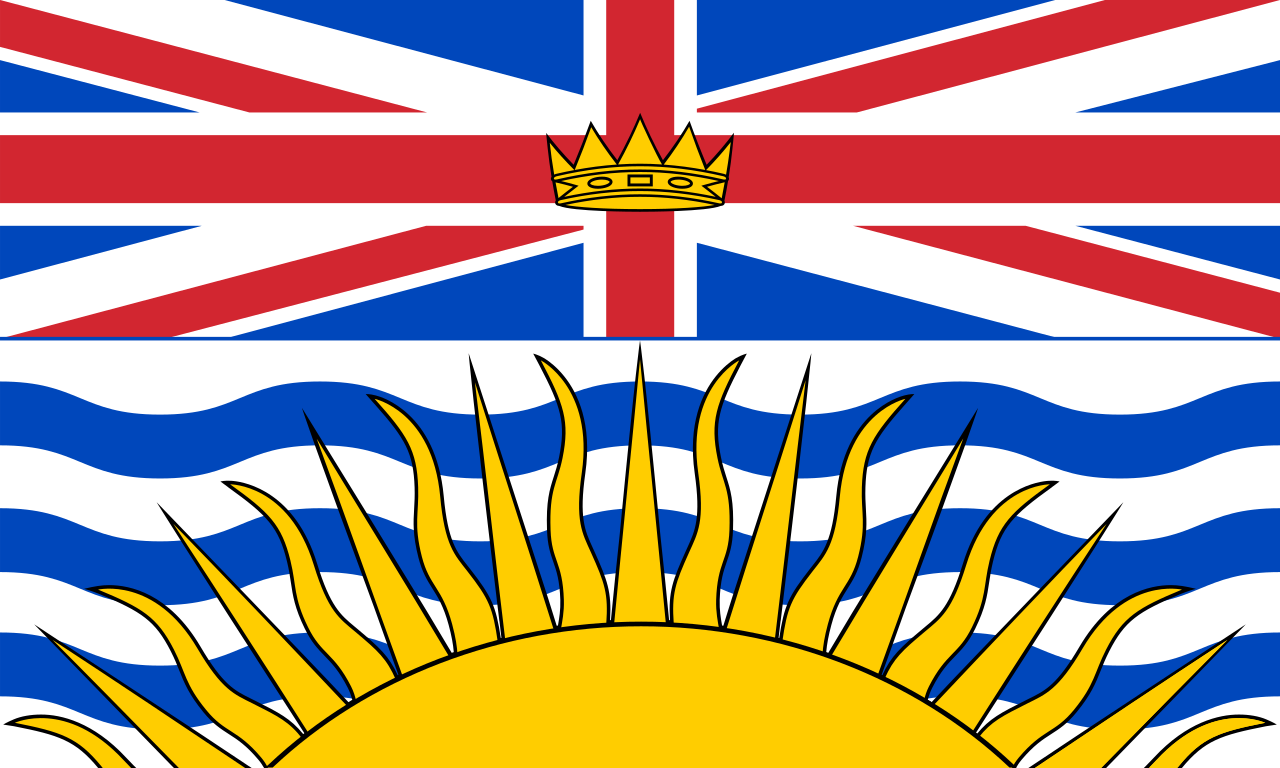
British Columbia, the westernmost province of Canada, is a region of stunning contrasts. From the rugged Rocky Mountains to the serene Pacific Ocean, the province's diverse geography is a major draw for tourists and outdoor enthusiasts. With a population of over 5.6 million people, British Columbia is Canada's third-most populous province, and its capital city, Victoria, is a popular destination for visitors. The province is also home to the largest city, Vancouver, which is known for its vibrant cultural scene and stunning natural beauty. As a major hub for trade and commerce, British Columbia plays a significant role in Canada's economy, with major industries including forestry, mining, and tourism.
🌄 Geography and Climate
The geography of British Columbia is characterized by its unique combination of mountains, forests, and coastlines. The province is bordered by the Pacific Ocean to the west, and the Rocky Mountains to the east. The Canadian Rockies are a popular destination for outdoor enthusiasts, with numerous hiking trails, ski resorts, and scenic drives. The province is also home to a diverse range of wildlife, including grizzly bears, black bears, and salmon. British Columbia's climate varies greatly depending on the region, with the coastal areas experiencing a mild oceanic climate, while the interior regions are characterized by a more extreme continental climate.
🏔️ Natural Wonders and Landscapes
British Columbia is home to some of the most stunning natural wonders in North America. The province is home to numerous national parks, including Glacier National Park and Mount Revelstoke National Park. The province is also home to a diverse range of landscapes, including rugged coastlines, sandy beaches, and inland deserts. The Okanagan Valley is a popular destination for wine enthusiasts, with numerous vineyards and wineries. The province is also home to a number of scenic lakes, including Lake Okanagan and Kootenay Lake.
🌆 Urban Centers and Population
British Columbia's urban centers are a hub of cultural and economic activity. The province's largest city, Vancouver, is a popular destination for tourists and business travelers alike. The city is known for its vibrant cultural scene, with numerous museums, galleries, and performance venues. The city is also home to a diverse range of neighborhoods, including Gastown, Chinatown, and Stanley Park. The province's capital city, Victoria, is a charming destination with a rich history and culture. The city is known for its beautiful gardens, including Butchart Gardens, and its historic architecture, including the British Columbia Parliament Buildings.
🏛️ Politics and Governance
British Columbia's politics are characterized by a unique blend of liberal and conservative ideologies. The province is currently governed by the New Democratic Party, which has been in power since 2017. The province has a long history of progressive politics, with a strong focus on social and environmental issues. The province is also home to a number of indigenous communities, which have a significant impact on the province's politics and governance. The province is currently engaged in a number of reconciliation efforts, aimed at addressing the historical injustices faced by indigenous peoples in Canada.
🎨 Cultural Diversity and Heritage
British Columbia is a culturally diverse province, with a rich heritage of indigenous and immigrant communities. The province is home to a number of indigenous languages, including Haida and Cree. The province is also home to a diverse range of cultural festivals and events, including the Vancouver Folk Music Festival and the Victoria International Jazz Festival. The province is known for its vibrant arts scene, with numerous galleries and museums, including the Vancouver Art Gallery and the Museum of Anthropology.
📊 Economy and Industry
British Columbia's economy is driven by a number of key industries, including forestry, mining, and tourism. The province is home to a number of major companies, including Teck Resources and Canfor. The province is also a major hub for trade and commerce, with the Port of Vancouver being one of the busiest ports in North America. The province is currently experiencing a number of economic challenges, including a decline in the forestry industry and a shortage of skilled workers. However, the province is also experiencing a number of opportunities, including the growth of the tech industry and the development of new renewable energy sources.
🚀 Tourism and Outdoor Activities
British Columbia is a popular destination for tourists and outdoor enthusiasts. The province is home to a number of stunning natural wonders, including Garibaldi Park and Cypress Mountain. The province is also home to a number of world-class ski resorts, including Whistler Blackcomb and Big White Ski Resort. The province is also a popular destination for water sports, with numerous lakes, rivers, and coastal areas. The province is home to a number of scenic drives, including the Sea to Sky Highway and the Pacific Rim Highway.
🌈 Environmental Concerns and Conservation
British Columbia is facing a number of environmental challenges, including climate change, deforestation, and pollution. The province is currently engaged in a number of efforts to address these challenges, including the development of new renewable energy sources and the protection of old-growth forests. The province is also home to a number of environmental organizations, including the Sierra Club and the David Suzuki Foundation. The province is currently experiencing a number of environmental controversies, including the Trans Mountain Pipeline and the Site C Dam.
🤝 Indigenous Relations and Reconciliation
British Columbia has a long and complex history with indigenous peoples. The province is home to a number of indigenous communities, which have been impacted by historical injustices such as residential schools and land stealing. The province is currently engaged in a number of reconciliation efforts, aimed at addressing these historical injustices and promoting healing and understanding. The province is also home to a number of indigenous-led organizations, including the First Nations Summit and the Union of BC Indian Chiefs.
📚 Education and Research
British Columbia is home to a number of world-class educational institutions, including the University of British Columbia and the Simon Fraser University. The province is also home to a number of research institutions, including the BC Cancer Agency and the BC Children's Hospital. The province is currently experiencing a number of challenges in the education sector, including a shortage of skilled teachers and a lack of funding for public schools. However, the province is also experiencing a number of opportunities, including the growth of online learning and the development of new educational technologies.
Key Facts
- Year
- 1866
- Origin
- Canadian Confederation
- Category
- Geography, Culture, Politics
- Type
- Province
Frequently Asked Questions
What is the capital of British Columbia?
The capital of British Columbia is Victoria. The city is located on the southern tip of Vancouver Island and is known for its beautiful gardens, historic architecture, and vibrant cultural scene. Victoria is also home to the British Columbia Parliament Buildings and the University of Victoria.
What is the largest city in British Columbia?
The largest city in British Columbia is Vancouver. The city is located in the southwestern corner of the province and is known for its vibrant cultural scene, stunning natural beauty, and diverse neighborhoods. Vancouver is also a major hub for trade and commerce, with the Port of Vancouver being one of the busiest ports in North America.
What are the main industries in British Columbia?
The main industries in British Columbia include forestry, mining, and tourism. The province is also home to a number of other industries, including technology, film and television production, and manufacturing. The province is currently experiencing a number of economic challenges, including a decline in the forestry industry and a shortage of skilled workers.
What are some popular tourist destinations in British Columbia?
Some popular tourist destinations in British Columbia include Vancouver, Victoria, Whistler, and the Canadian Rockies. The province is also home to a number of stunning natural wonders, including Garibaldi Park, Cypress Mountain, and the Pacific Rim National Park Reserve. Visitors to the province can enjoy a range of outdoor activities, including hiking, skiing, and surfing.
What is the population of British Columbia?
The population of British Columbia is approximately 5.68 million people, according to estimates from 2025. The province is Canada's third-most populous province, after Ontario and Quebec. The population of British Columbia is diverse, with a mix of indigenous and immigrant communities.
What is the climate like in British Columbia?
The climate in British Columbia varies greatly depending on the region. The coastal areas experience a mild oceanic climate, while the interior regions are characterized by a more extreme continental climate. The province is also home to a number of microclimates, including the Okanagan Valley and the Kootenay Region.
What are some of the environmental challenges facing British Columbia?
Some of the environmental challenges facing British Columbia include climate change, deforestation, and pollution. The province is currently engaged in a number of efforts to address these challenges, including the development of new renewable energy sources and the protection of old-growth forests. The province is also home to a number of environmental organizations, including the Sierra Club and the David Suzuki Foundation.