
Contents
- 🚌 Introduction to Bus Systems
- 🚀 Early History of Bus Transportation
- 🚗 The Rise of Motorized Buses
- 🌎 Global Expansion of Bus Networks
- 🚴♀️ Accessibility and Inclusivity in Bus Design
- 💻 Technology Integration in Modern Bus Systems
- 📊 The Economics of Bus Transportation
- 🚨 Safety and Security Concerns in Bus Travel
- 🌟 Innovative Bus Systems Around the World
- 🚂 The Future of Bus Transportation: Trends and Predictions
- 🤝 Collaboration and Partnerships in Bus Industry
- 📈 Conclusion: The Evolution of Bus Systems
- Frequently Asked Questions
- Related Topics
Overview
The bus system, with its origins dating back to 1662 in Paris, has undergone significant transformations over the centuries. Today, it is a vital component of urban transportation, with over 30 million buses operating worldwide, accounting for 50% of all public transportation. The introduction of electric and hybrid buses, such as those by BYD and Volvo, is reducing emissions and operating costs. However, the rise of ride-hailing services like Uber and Lyft has disrupted traditional bus systems, forcing cities to rethink their transportation strategies. As cities like Curitiba, Brazil, and Copenhagen, Denmark, implement bus rapid transit (BRT) systems, the future of bus transportation looks promising, with a projected 10% annual growth rate. With the integration of technology, such as smart traffic management and mobile payments, the bus system is poised to become more efficient, sustainable, and accessible, serving over 10 billion passengers daily.
🚌 Introduction to Bus Systems
The evolution of bus systems is a story of continuous innovation, driven by the need for efficient, accessible, and sustainable transportation solutions. From its humble beginnings to the modern, high-tech systems we see today, the bus has played a vital role in shaping urban mobility. The history of bus transportation is closely tied to the development of Transportation systems, with buses serving as a crucial link between Cities and rural areas. As cities continue to grow, the importance of reliable and efficient bus systems cannot be overstated. The impact of bus systems on Urban Planning and Public Health is significant, with well-designed systems contributing to reduced congestion, improved air quality, and increased mobility for all citizens.
🚀 Early History of Bus Transportation
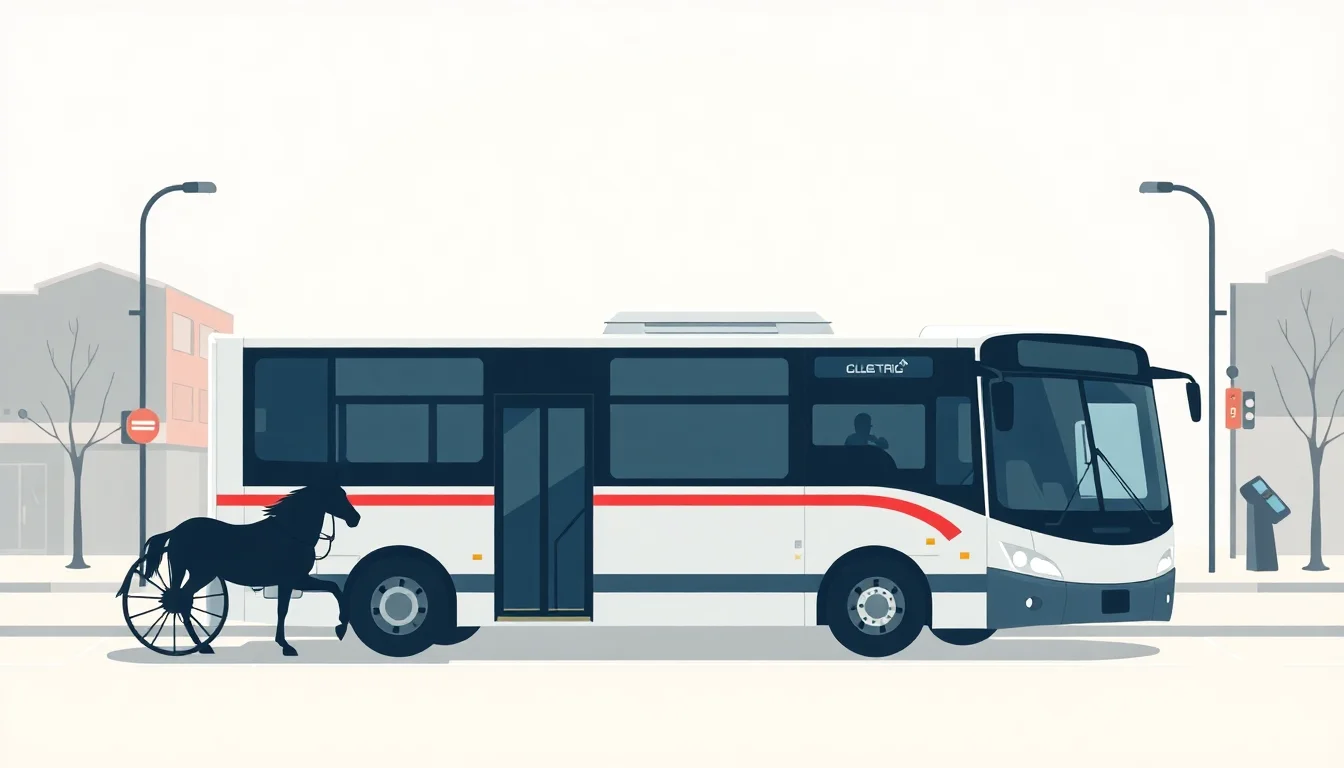
The early history of bus transportation dates back to the 19th century, when horse-drawn omnibuses first appeared on the streets of London. These early buses were often cumbersome and unreliable, but they marked the beginning of a new era in public transportation. As Technology improved, motorized buses began to replace their horse-drawn counterparts, offering faster and more efficient travel options. The introduction of Electric Vehicles and Hybrid Vehicles has further expanded the possibilities for bus transportation, reducing emissions and operating costs. The development of bus systems has been influenced by various factors, including Population Growth, Urbanization, and Economic Development.
🚗 The Rise of Motorized Buses
The rise of motorized buses in the early 20th century revolutionized public transportation, enabling faster and more efficient travel over longer distances. The introduction of Diesel Engines and Automatic Transmissions further improved the performance and reliability of buses. As bus networks expanded, they began to play a critical role in shaping urban development, with many Cities designing their transportation systems around bus routes. The impact of bus systems on Traffic Congestion and Air Pollution is significant, with well-designed systems contributing to reduced congestion and improved air quality. The development of Intelligent Transportation Systems has further enhanced the efficiency and safety of bus transportation.
🌎 Global Expansion of Bus Networks
The global expansion of bus networks has been driven by the need for efficient and affordable transportation solutions. Today, bus systems can be found in almost every country, with many Cities relying on buses as their primary mode of public transportation. The development of Bus Rapid Transit (BRT) systems has been particularly successful, offering a high-capacity, low-cost alternative to Light Rail and Subway systems. The impact of bus systems on Socioeconomic Development is significant, with well-designed systems contributing to increased mobility, access to employment, and economic opportunities. The role of International Organizations in promoting sustainable transportation solutions, including bus systems, is critical.
🚴♀️ Accessibility and Inclusivity in Bus Design
Accessibility and inclusivity have become increasingly important considerations in bus design, with many Cities prioritizing the development of accessible and inclusive transportation systems. The introduction of Low-Floor Buses and Ramps has improved access for passengers with disabilities, while Real-Time Information systems have enhanced the overall passenger experience. The development of Accessible Transportation options, including Paratransit services, has further expanded the possibilities for bus transportation, enabling people with disabilities to participate fully in their communities. The impact of bus systems on Social Equity is significant, with well-designed systems contributing to increased access to opportunities and services.
💻 Technology Integration in Modern Bus Systems
Technology integration has transformed the bus industry, enabling the development of more efficient, sustainable, and passenger-friendly transportation systems. The introduction of Automatic Vehicle Location (AVL) systems and Fleet Management software has improved the efficiency of bus operations, while Mobile Payments and Ticketing Systems have enhanced the passenger experience. The development of Electric Buses and Autonomous Vehicles is expected to further reduce emissions and operating costs, while improving safety and efficiency. The role of Data Analytics in optimizing bus systems is critical, enabling transportation agencies to make informed decisions about service planning and resource allocation.
📊 The Economics of Bus Transportation
The economics of bus transportation are complex, with many Cities struggling to balance the costs of operating bus systems with the need to provide affordable and efficient transportation solutions. The development of Public-Private Partnerships has enabled the delivery of bus services through innovative financing models, while Fare Policy and Revenue Management strategies have helped to optimize revenue streams. The impact of bus systems on Local Economies is significant, with well-designed systems contributing to increased economic activity, job creation, and tax revenue. The role of Government Policies in supporting sustainable transportation solutions, including bus systems, is critical.
🚨 Safety and Security Concerns in Bus Travel
Safety and security concerns are a top priority in bus travel, with many Cities investing in Surveillance Systems and Emergency Response Plans to protect passengers and drivers. The introduction of Seat Belts and Collision Avoidance Systems has improved safety, while Driver Training programs have enhanced the skills and awareness of bus drivers. The development of Intelligent Transportation Systems has further enhanced the safety and efficiency of bus transportation, enabling real-time monitoring and response to incidents. The impact of bus systems on Public Safety is significant, with well-designed systems contributing to reduced crime and improved emergency response.
🌟 Innovative Bus Systems Around the World
Innovative bus systems can be found around the world, from the Bus Rapid Transit (BRT) systems of Latin America to the Electric Buses of China. The development of Autonomous Buses and Hyperloop Systems is expected to further transform the bus industry, enabling faster, more efficient, and more sustainable transportation solutions. The impact of bus systems on Urban Development is significant, with well-designed systems contributing to increased mobility, access to opportunities, and economic growth. The role of Innovation in shaping the future of bus transportation is critical, enabling the development of new technologies, business models, and services.
🚂 The Future of Bus Transportation: Trends and Predictions
The future of bus transportation is likely to be shaped by trends such as Electrification, Autonomous Vehicles, and Mobility-as-a-Service (MaaS). As Cities continue to grow and evolve, the importance of reliable, efficient, and sustainable bus systems will only continue to increase. The development of Integrated Transportation Systems will enable seamless travel across different modes, while Data Analytics will play a critical role in optimizing bus operations and improving the passenger experience. The impact of bus systems on Climate Change is significant, with well-designed systems contributing to reduced emissions and improved air quality.
🤝 Collaboration and Partnerships in Bus Industry
Collaboration and partnerships are essential in the bus industry, with many Cities working together with Private Sector companies to deliver innovative transportation solutions. The development of Public-Private Partnerships has enabled the delivery of bus services through innovative financing models, while Industry Associations have played a critical role in promoting best practices and standards. The impact of bus systems on Community Development is significant, with well-designed systems contributing to increased social cohesion, access to opportunities, and economic growth. The role of Stakeholder Engagement in shaping the future of bus transportation is critical, enabling the development of transportation systems that meet the needs of all citizens.
📈 Conclusion: The Evolution of Bus Systems
In conclusion, the evolution of bus systems is a story of continuous innovation, driven by the need for efficient, accessible, and sustainable transportation solutions. As Cities continue to grow and evolve, the importance of reliable, efficient, and sustainable bus systems will only continue to increase. The impact of bus systems on Society is significant, with well-designed systems contributing to increased mobility, access to opportunities, and economic growth. The future of bus transportation is likely to be shaped by trends such as Electrification, Autonomous Vehicles, and Mobility-as-a-Service (MaaS), enabling the development of more efficient, sustainable, and passenger-friendly transportation systems.
Key Facts
- Year
- 2022
- Origin
- Paris, France
- Category
- Transportation
- Type
- Transportation Infrastructure
Frequently Asked Questions
What is the history of bus transportation?
The history of bus transportation dates back to the 19th century, when horse-drawn omnibuses first appeared on the streets of London. The introduction of motorized buses in the early 20th century revolutionized public transportation, enabling faster and more efficient travel over longer distances. Today, bus systems can be found in almost every country, with many Cities relying on buses as their primary mode of public transportation.
What are the benefits of bus systems?
The benefits of bus systems are numerous, including increased mobility, access to opportunities, and economic growth. Well-designed bus systems can also contribute to reduced congestion, improved air quality, and increased social cohesion. The development of Integrated Transportation Systems can enable seamless travel across different modes, while Data Analytics can play a critical role in optimizing bus operations and improving the passenger experience.
What are the challenges facing bus systems?
The challenges facing bus systems are complex, including the need to balance the costs of operating bus systems with the need to provide affordable and efficient transportation solutions. The development of Public-Private Partnerships has enabled the delivery of bus services through innovative financing models, while Fare Policy and Revenue Management strategies have helped to optimize revenue streams. The impact of bus systems on Local Economies is significant, with well-designed systems contributing to increased economic activity, job creation, and tax revenue.
What is the future of bus transportation?
The future of bus transportation is likely to be shaped by trends such as Electrification, Autonomous Vehicles, and Mobility-as-a-Service (MaaS). The development of Integrated Transportation Systems will enable seamless travel across different modes, while Data Analytics will play a critical role in optimizing bus operations and improving the passenger experience. The impact of bus systems on Climate Change is significant, with well-designed systems contributing to reduced emissions and improved air quality.
How can bus systems be made more accessible and inclusive?
Bus systems can be made more accessible and inclusive through the introduction of Low-Floor Buses and Ramps, as well as Real-Time Information systems. The development of Accessible Transportation options, including Paratransit services, can further expand the possibilities for bus transportation, enabling people with disabilities to participate fully in their communities. The impact of bus systems on Social Equity is significant, with well-designed systems contributing to increased access to opportunities and services.