
Contents
- 🌴 Introduction to Cacao Pod
- 🌿 Theobroma Cacao: A Small Evergreen Tree
- 🍫 From Seeds to Chocolate
- 🌎 Global Production of Cocoa Beans
- 📊 Largest Producers of Cocoa Beans
- 🌟 Côte d'Ivoire: The Leading Producer
- 🌱 Cultivation and Harvesting of Cacao Pods
- 🍵 Processing and Fermentation of Cocoa Beans
- 🎁 The Luxury of Chocolate
- 🌈 Cultural Significance of Cacao Pods
- 📈 Market Trends and Future Outlook
- 👥 Key Players in the Cocoa Industry
- Frequently Asked Questions
- Related Topics
Overview
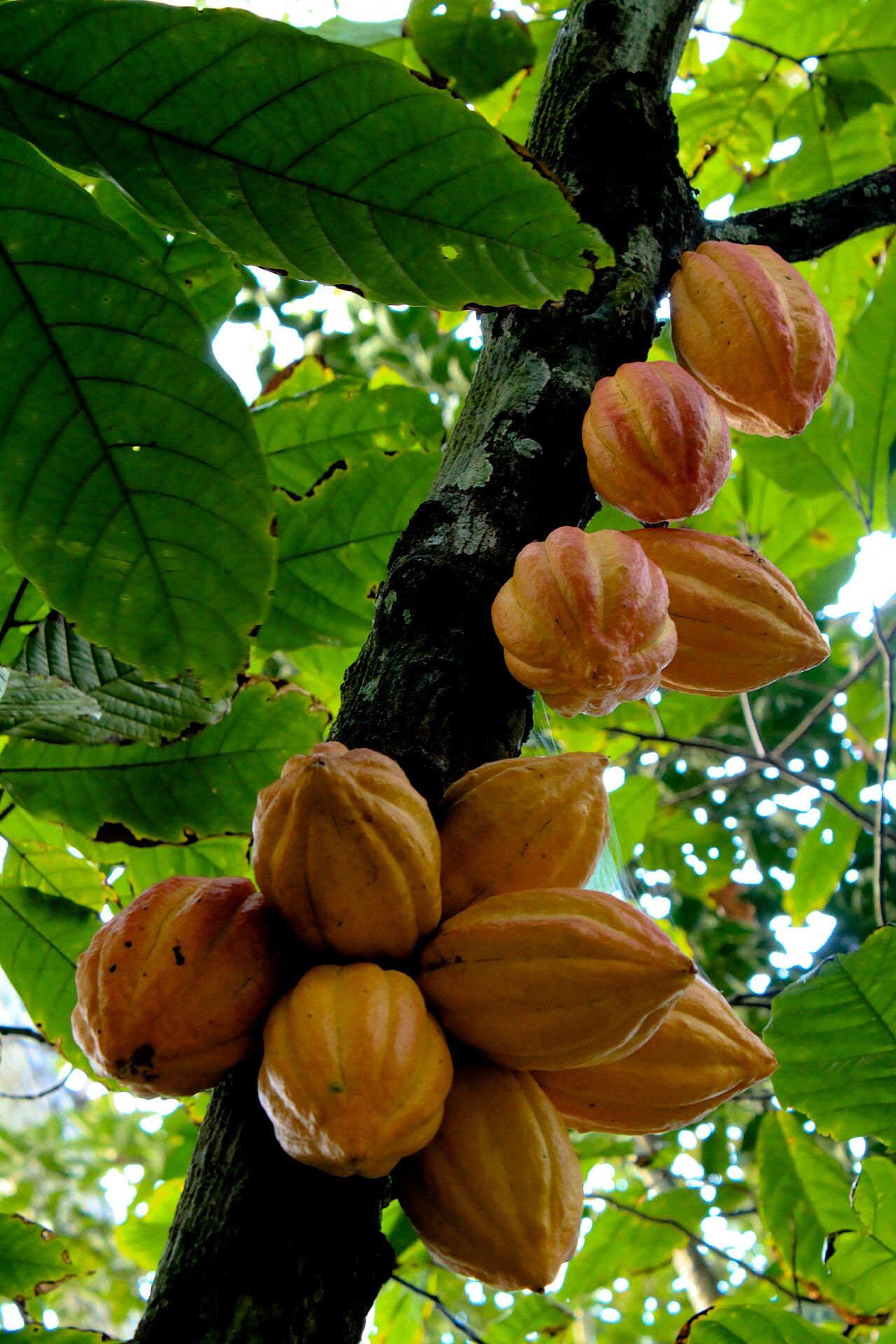
The cacao pod, the fruit of the cacao tree (Theobroma cacao), is the primary source of cocoa beans, which are used to produce chocolate. With a history dating back over 3,000 years to ancient Mesoamerica, the cacao pod has been a prized commodity, playing a significant role in the cultures of the Olmec, Maya, and Aztec civilizations. Today, cacao pods are cultivated in many tropical regions around the world, with the Ivory Coast, Ghana, and Indonesia being among the top producers. However, the cacao industry faces numerous challenges, including deforestation, climate change, and labor exploitation. As the demand for sustainable and high-quality chocolate continues to grow, the future of the cacao pod and the chocolate industry as a whole is uncertain. With a vibe score of 8, the cacao pod is a topic of significant cultural energy, sparking debates about trade, environment, and social justice. The influence of companies like Hershey's, Mars, and Fairtrade on the cacao industry is substantial, with their practices and policies shaping the future of cacao production and trade.
🌴 Introduction to Cacao Pod
The cacao pod, also known as the fruit of the Theobroma cacao tree, is a vital component in the production of chocolate. Native to the tropics of the Americas, this small evergreen tree has been cultivated for centuries to produce the coveted cocoa beans. The journey from seed to chocolate is a complex process, involving fermentation and drying of the beans. The resulting chocolate liquor is then used to create a variety of chocolate products. For more information on the history of chocolate, visit the history of chocolate page.
🌿 Theobroma Cacao: A Small Evergreen Tree
The Theobroma cacao tree is a member of the Malvaceae family and is characterized by its small size and evergreen leaves. The tree produces small, yellowish flowers that are pollinated by midges, resulting in the growth of cacao pods. These pods contain 20-40 cocoa beans, which are surrounded by a white pulp. The beans are harvested from the pods and undergo a process of fermentation and drying to develop their unique flavor and aroma. Learn more about the botany of cacao and its unique characteristics.
🍫 From Seeds to Chocolate
The process of transforming cacao seeds into chocolate is a complex one, involving several stages. First, the beans are harvested from the cacao pods and undergo a process of fermentation, which helps to develop the flavor and aroma of the beans. The beans are then dried to remove excess moisture, resulting in cocoa beans. These beans can be used to produce a variety of chocolate products, including chocolate liquor, cocoa solids, and cocoa butter. For more information on the process of making chocolate, visit the chocolate production page.
🌎 Global Production of Cocoa Beans
The global production of cocoa beans is a significant industry, with several countries contributing to the world's supply. According to the International Cocoa Organization, the largest producer of cocoa beans in 2022 was Côte d'Ivoire, accounting for over 30% of global production. Other major producers include Ghana, Indonesia, and Brazil. The production of cocoa beans is a significant contributor to the economies of these countries, providing employment and income for millions of people. Learn more about the global cocoa market and its trends.
📊 Largest Producers of Cocoa Beans
The largest producers of cocoa beans are located in the tropics, where the climate and soil conditions are suitable for the cultivation of the Theobroma cacao tree. Côte d'Ivoire is the leading producer, followed by Ghana and Indonesia. These countries have the ideal climate and soil conditions for cocoa production, with high temperatures and high levels of rainfall. The production of cocoa beans is a significant industry in these countries, providing employment and income for millions of people. For more information on the cocoa industry, visit the cocoa industry overview page.
🌟 Côte d'Ivoire: The Leading Producer
Côte d'Ivoire is the leading producer of cocoa beans, accounting for over 30% of global production. The country's cocoa industry is a significant contributor to its economy, providing employment and income for millions of people. The majority of cocoa beans produced in Côte d'Ivoire are exported to countries such as the Netherlands and Germany, where they are used to produce a variety of chocolate products. The country's cocoa industry is facing several challenges, including deforestation and climate change. Learn more about the cocoa production in Côte d'Ivoire and its challenges.
🌱 Cultivation and Harvesting of Cacao Pods
The cultivation and harvesting of cacao pods is a labor-intensive process, requiring careful attention to detail. The Theobroma cacao tree is typically grown in shaded areas, with the pods being harvested when they are ripe and ready to be picked. The pods are then opened, and the beans are removed and undergo a process of fermentation and drying. The resulting cocoa beans are then sold to chocolate manufacturers, who use them to produce a variety of chocolate products. For more information on the cacao cultivation process, visit the cacao cultivation techniques page.
🍵 Processing and Fermentation of Cocoa Beans
The processing and fermentation of cocoa beans is a critical stage in the production of chocolate. The beans are fermented to develop their unique flavor and aroma, and then dried to remove excess moisture. The resulting beans are then roasted and ground into a fine paste, known as chocolate liquor. This liquor is then used to produce a variety of chocolate products, including cocoa solids, cocoa butter, and chocolate. Learn more about the cocoa processing and chocolate manufacturing processes.
🎁 The Luxury of Chocolate
The luxury of chocolate is a significant contributor to the global demand for cocoa beans. Chocolate is a popular treat, enjoyed by people all over the world. The production of high-quality chocolate requires the use of high-quality cocoa beans, which are carefully selected and processed to produce a unique and delicious flavor. The luxury of chocolate is not just about the taste, but also about the experience of enjoying a high-quality product. For more information on the luxury chocolate market, visit the luxury chocolate trends page.
🌈 Cultural Significance of Cacao Pods
The cultural significance of cacao pods is a rich and complex topic, with a history dating back thousands of years. In ancient Mesoamerica, cacao pods were considered a luxury item, used as a form of currency and as an offering to the gods. Today, cacao pods are still considered a valuable commodity, with the production of cocoa beans being a significant contributor to the economies of several countries. The cultural significance of cacao pods is not just about the economic value, but also about the cultural and historical significance of the crop. Learn more about the cultural significance of cacao and its history.
📈 Market Trends and Future Outlook
The market trends and future outlook for the cocoa industry are complex and multifaceted. The demand for cocoa beans is expected to continue to grow, driven by the increasing popularity of chocolate and other cocoa products. However, the industry is facing several challenges, including deforestation and climate change. The future of the cocoa industry will depend on the ability of producers and manufacturers to adapt to these challenges and to develop sustainable and responsible practices. For more information on the cocoa market trends and future outlook, visit the cocoa industry outlook page.
👥 Key Players in the Cocoa Industry
The key players in the cocoa industry include cocoa producers, chocolate manufacturers, and traders. These players are involved in the production, processing, and trade of cocoa beans and other cocoa products. The industry is also influenced by governments and non-governmental organizations, which play a critical role in shaping the regulatory environment and promoting sustainable practices. Learn more about the key players in the cocoa industry and their roles.
Key Facts
- Year
- 1500
- Origin
- Mesoamerica
- Category
- Agriculture, Food, and Culture
- Type
- Plant-based commodity
Frequently Asked Questions
What is the Theobroma cacao tree?
The Theobroma cacao tree is a small evergreen tree in the Malvaceae family, native to the tropics of the Americas. It is the source of cocoa beans, which are used to produce chocolate. The tree is characterized by its small size and evergreen leaves, and is typically grown in shaded areas. Learn more about the botany of cacao and its unique characteristics.
How are cacao pods harvested?
Cacao pods are harvested from the Theobroma cacao tree when they are ripe and ready to be picked. The pods are then opened, and the cocoa beans are removed and undergo a process of fermentation and drying. The resulting beans are then sold to chocolate manufacturers, who use them to produce a variety of chocolate products. For more information on the cacao cultivation process, visit the cacao cultivation techniques page.
What is the largest producer of cocoa beans?
The largest producer of cocoa beans is Côte d'Ivoire, accounting for over 30% of global production. The country's cocoa industry is a significant contributor to its economy, providing employment and income for millions of people. Learn more about the cocoa production in Côte d'Ivoire and its challenges.
How is chocolate made?
The process of making chocolate involves several stages, including the fermentation and drying of cocoa beans. The beans are then roasted and ground into a fine paste, known as chocolate liquor. This liquor is then used to produce a variety of chocolate products, including cocoa solids, cocoa butter, and chocolate. For more information on the process of making chocolate, visit the chocolate production page.
What is the cultural significance of cacao pods?
The cultural significance of cacao pods is a rich and complex topic, with a history dating back thousands of years. In ancient Mesoamerica, cacao pods were considered a luxury item, used as a form of currency and as an offering to the gods. Today, cacao pods are still considered a valuable commodity, with the production of cocoa beans being a significant contributor to the economies of several countries. Learn more about the cultural significance of cacao and its history.
What are the market trends and future outlook for the cocoa industry?
The market trends and future outlook for the cocoa industry are complex and multifaceted. The demand for cocoa beans is expected to continue to grow, driven by the increasing popularity of chocolate and other cocoa products. However, the industry is facing several challenges, including deforestation and climate change. The future of the cocoa industry will depend on the ability of producers and manufacturers to adapt to these challenges and to develop sustainable and responsible practices. For more information on the cocoa market trends and future outlook, visit the cocoa industry outlook page.
Who are the key players in the cocoa industry?
The key players in the cocoa industry include cocoa producers, chocolate manufacturers, and traders. These players are involved in the production, processing, and trade of cocoa beans and other cocoa products. The industry is also influenced by governments and non-governmental organizations, which play a critical role in shaping the regulatory environment and promoting sustainable practices. Learn more about the key players in the cocoa industry and their roles.