
Contents
- 🏛️ Introduction to the Canadian Senate
- 📜 History of the Canadian Senate
- 👥 Composition of the Canadian Senate
- 🗳️ Appointment and Removal of Senators
- 🤝 Relationship with the House of Commons
- 📊 Legislative Powers of the Canadian Senate
- 🚫 Limitations of the Canadian Senate
- 🔍 Controversies and Reforms
- 📈 Future of the Canadian Senate
- 👑 The Role of the Crown in the Canadian Senate
- 📊 Comparative Analysis with Other Upper Houses
- Frequently Asked Questions
- Related Topics
Overview
The Canadian Senate, established in 1867, is a unique institution that has been a subject of both admiration and criticism. With 105 appointed members, the Senate is designed to provide a check on the power of the elected House of Commons, ensuring that legislation is carefully considered and representative of regional interests. However, the Senate has faced numerous controversies, including concerns over its undemocratic nature, patronage appointments, and perceived ineffectiveness. Despite these challenges, the Senate has played a crucial role in shaping Canadian history, from the passage of the Canadian Charter of Rights and Freedoms to the legalization of same-sex marriage. As Canada continues to evolve, the Senate must navigate the complexities of representation, accountability, and reform. With a Vibe score of 6.2, the Canadian Senate is a topic of significant cultural energy, sparking debates about the future of Canadian democracy. The Senate's influence flows are complex, with key entities such as the Prime Minister, the Governor General, and the Supreme Court of Canada playing important roles in shaping its trajectory. As the Senate looks to the future, it must balance its commitment to sober second thought with the need for modernization and reform, all while navigating the tensions between regional representation and national interests.
🏛️ Introduction to the Canadian Senate
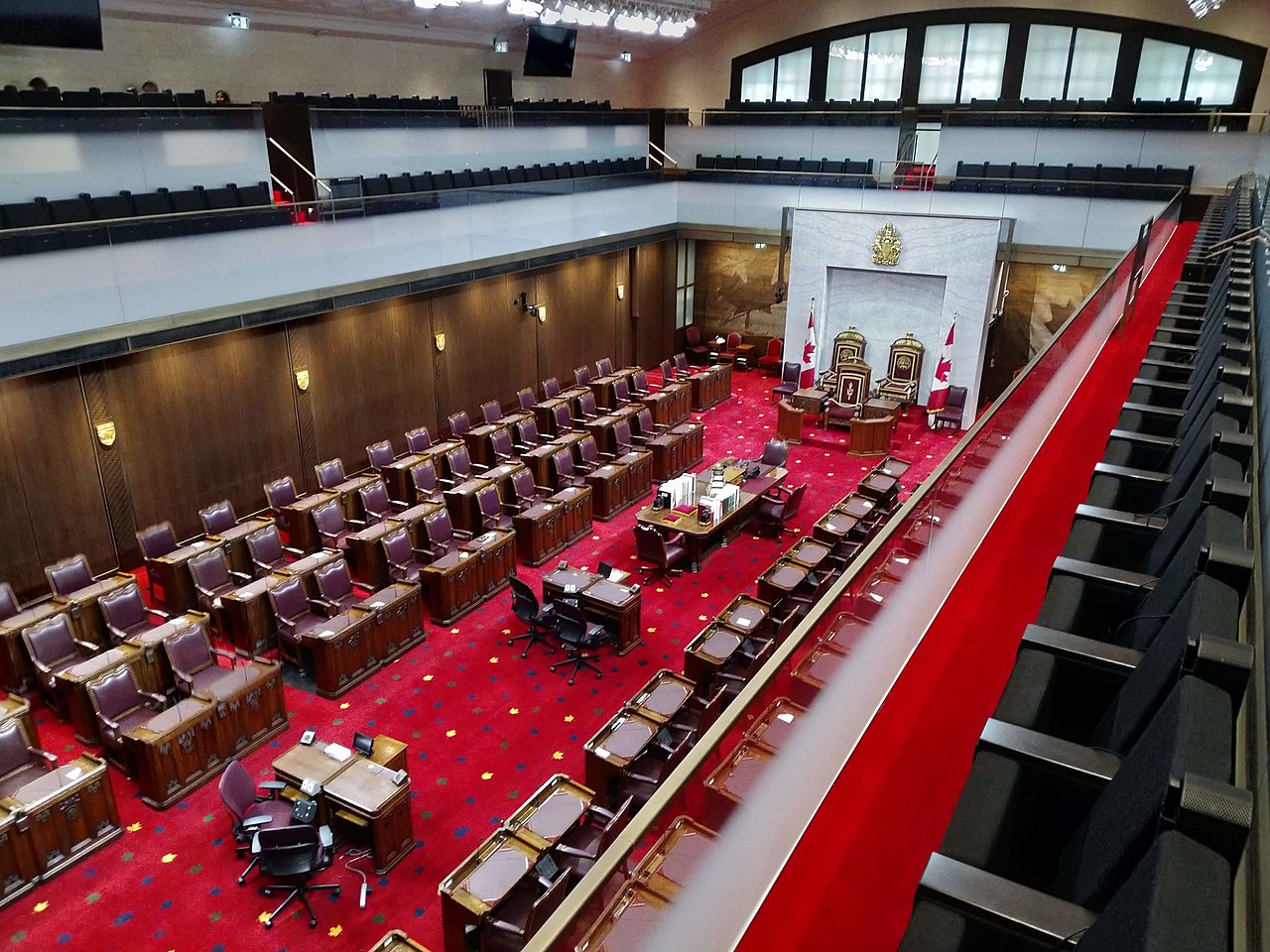
The Canadian Senate is a vital component of the country's bicameral legislature, providing a chamber of sober second thought to the Canadian politics landscape. Established in 1867, the Senate has a rich history, with its roots in the British Parliament system. The Senate is composed of 105 senators, appointed by the Prime Minister of Canada and representing the country's provinces and territories. The Senate plays a crucial role in the legislative process, providing a check on the power of the House of Commons and ensuring that the rights of all Canadians are protected.
📜 History of the Canadian Senate
The history of the Canadian Senate dates back to the Canadian Confederation in 1867. The Senate was established as a way to balance the power of the House of Commons and provide representation for the provinces and territories. Over the years, the Senate has undergone several reforms, including the Canadian Constitution Act of 1982, which gave the Senate more powers and made it a more independent institution. Despite these reforms, the Senate has faced criticism for its lack of democratic representation and its perceived ineffectiveness. For more information on the history of the Senate, visit the Library and Archives Canada website.
👥 Composition of the Canadian Senate
The Canadian Senate is composed of 105 senators, each representing a province or territory. The number of senators per province or territory is based on the population, with a minimum of six senators per province. The senators are appointed by the Governor General of Canada on the advice of the Prime Minister. The Senate has a number of committees, including the Standing Committee on National Finance and the Standing Committee on Social Affairs, which play a crucial role in the legislative process. For more information on the composition of the Senate, visit the Parliament of Canada website.
🗳️ Appointment and Removal of Senators
The appointment and removal of senators are governed by the Canadian Constitution. The Prime Minister advises the Governor General on the appointment of senators, and the Governor General formally appoints them. Senators can be removed from office for a number of reasons, including misconduct or failure to attend Senate sessions. The Senate has a number of rules and procedures in place to govern the behavior of senators, including the Senate Code of Conduct. For more information on the appointment and removal of senators, visit the Justice Canada website.
🤝 Relationship with the House of Commons
The Canadian Senate has a complex relationship with the House of Commons. The two chambers have different roles and responsibilities, with the House of Commons being the more powerful of the two. The Senate can delay or amend legislation passed by the House of Commons, but it cannot initiate legislation. The Senate also has the power to review and approve or reject government appointments, including Supreme Court justices and ambassadors. For more information on the relationship between the Senate and the House of Commons, visit the Parliamentary Guide website.
📊 Legislative Powers of the Canadian Senate
The Canadian Senate has a number of legislative powers, including the power to review and approve or reject legislation passed by the House of Commons. The Senate can also initiate certain types of legislation, such as private members' bills. The Senate has a number of committees that play a crucial role in the legislative process, including the Standing Committee on Foreign Affairs and the Standing Committee on National Defence. For more information on the legislative powers of the Senate, visit the Parliament of Canada website.
🚫 Limitations of the Canadian Senate
Despite its importance, the Canadian Senate has a number of limitations. The Senate is not elected, which has led to criticism that it is undemocratic. The Senate also has limited powers compared to the House of Commons, and it cannot initiate legislation on certain topics, such as money bills. The Senate has also faced criticism for its lack of accountability and its perceived ineffectiveness. For more information on the limitations of the Senate, visit the Canadian Taxpayers Federation website.
🔍 Controversies and Reforms
The Canadian Senate has been the subject of controversy and reform efforts over the years. One of the most significant reforms was the Canadian Constitution Act of 1982, which gave the Senate more powers and made it a more independent institution. Despite these reforms, the Senate has continued to face criticism and calls for reform. Some have argued that the Senate should be elected, while others have argued that it should be abolished. For more information on the controversies and reforms surrounding the Senate, visit the Macdonald-Laurier Institute website.
📈 Future of the Canadian Senate
The future of the Canadian Senate is uncertain. Some have argued that the Senate should be reformed to make it more democratic and accountable. Others have argued that the Senate should be abolished altogether. The Senate has a number of challenges ahead, including the need to adapt to a changing Canadian politics landscape and to address the concerns of Canadians. For more information on the future of the Senate, visit the Institute for Research on Public Policy website.
👑 The Role of the Crown in the Canadian Senate
The Crown plays a significant role in the Canadian Senate, with the Governor General of Canada formally appointing senators and giving royal assent to legislation. The Crown also has a number of other powers and responsibilities in relation to the Senate, including the power to dissolve Parliament. The relationship between the Crown and the Senate is complex and has been the subject of controversy and debate over the years. For more information on the role of the Crown in the Senate, visit the Royal Canadian Mint website.
📊 Comparative Analysis with Other Upper Houses
The Canadian Senate can be compared to other upper houses around the world, such as the United States Senate and the British House of Lords. Each of these institutions has its own unique characteristics and powers, and they play different roles in their respective countries' legislative processes. The Canadian Senate has a number of similarities and differences with these other upper houses, and it can learn from their experiences and best practices. For more information on comparative analysis with other upper houses, visit the Commonwealth Parliamentary Association website.
Key Facts
- Year
- 1867
- Origin
- British North America Act
- Category
- Politics and Government
- Type
- Government Institution
Frequently Asked Questions
What is the role of the Canadian Senate?
The Canadian Senate plays a crucial role in the legislative process, providing a chamber of sober second thought and ensuring that the rights of all Canadians are protected. The Senate has the power to review and approve or reject legislation passed by the House of Commons, and it can also initiate certain types of legislation. For more information on the role of the Senate, visit the Parliament of Canada website.
How are senators appointed?
Senators are appointed by the Governor General of Canada on the advice of the Prime Minister. The Prime Minister advises the Governor General on the appointment of senators, and the Governor General formally appoints them. For more information on the appointment of senators, visit the Justice Canada website.
What are the limitations of the Canadian Senate?
The Canadian Senate has a number of limitations, including its lack of democratic representation and its limited powers compared to the House of Commons. The Senate also has limited powers to initiate legislation on certain topics, such as money bills. For more information on the limitations of the Senate, visit the Canadian Taxpayers Federation website.
What is the future of the Canadian Senate?
The future of the Canadian Senate is uncertain. Some have argued that the Senate should be reformed to make it more democratic and accountable, while others have argued that it should be abolished altogether. The Senate has a number of challenges ahead, including the need to adapt to a changing Canadian politics landscape and to address the concerns of Canadians. For more information on the future of the Senate, visit the Institute for Research on Public Policy website.
How does the Canadian Senate compare to other upper houses?
The Canadian Senate can be compared to other upper houses around the world, such as the United States Senate and the British House of Lords. Each of these institutions has its own unique characteristics and powers, and they play different roles in their respective countries' legislative processes. The Canadian Senate has a number of similarities and differences with these other upper houses, and it can learn from their experiences and best practices. For more information on comparative analysis with other upper houses, visit the Commonwealth Parliamentary Association website.
What is the role of the Crown in the Canadian Senate?
The Crown plays a significant role in the Canadian Senate, with the Governor General of Canada formally appointing senators and giving royal assent to legislation. The Crown also has a number of other powers and responsibilities in relation to the Senate, including the power to dissolve Parliament. For more information on the role of the Crown in the Senate, visit the Royal Canadian Mint website.
How can I learn more about the Canadian Senate?
There are a number of resources available to learn more about the Canadian Senate, including the Parliament of Canada website, the Library and Archives Canada website, and the Institute for Research on Public Policy website. You can also visit the Senate chamber in person or watch Senate proceedings online.