
Contents
Overview
Carrageenan, a natural polysaccharide extracted from red edible seaweeds, has been gaining attention in the Golden Age community for its potential to promote sustainable food systems, support holistic health, and foster regenerative culture. With its unique properties, carrageenan is being used in various applications. However, its use also raises important questions about the impact of large-scale seaweed harvesting on marine ecosystems and the potential effects of carrageenan on human health. As we navigate the complexities of carrageenan in the Golden Age, it is essential to consider the intersections of food, wellness, and sustainability, and to explore the ways in which this versatile ingredient can be used to promote a more conscious and regenerative approach to living.
🌿 Origins & History
Carrageenan has its roots in traditional Irish cuisine, where it was used as a gelling agent in desserts and other dishes. The word 'carrageenan' is derived from the Irish term 'carraigín,' meaning 'sea moss.'
🍴 How It Works
Carrageenan forms a gel-like substance when combined with water, making it an effective thickening and stabilizing agent in food products. Its unique properties also make it an attractive ingredient in vegan food and plant-based diet applications.
🌍 Cultural Impact & Influence
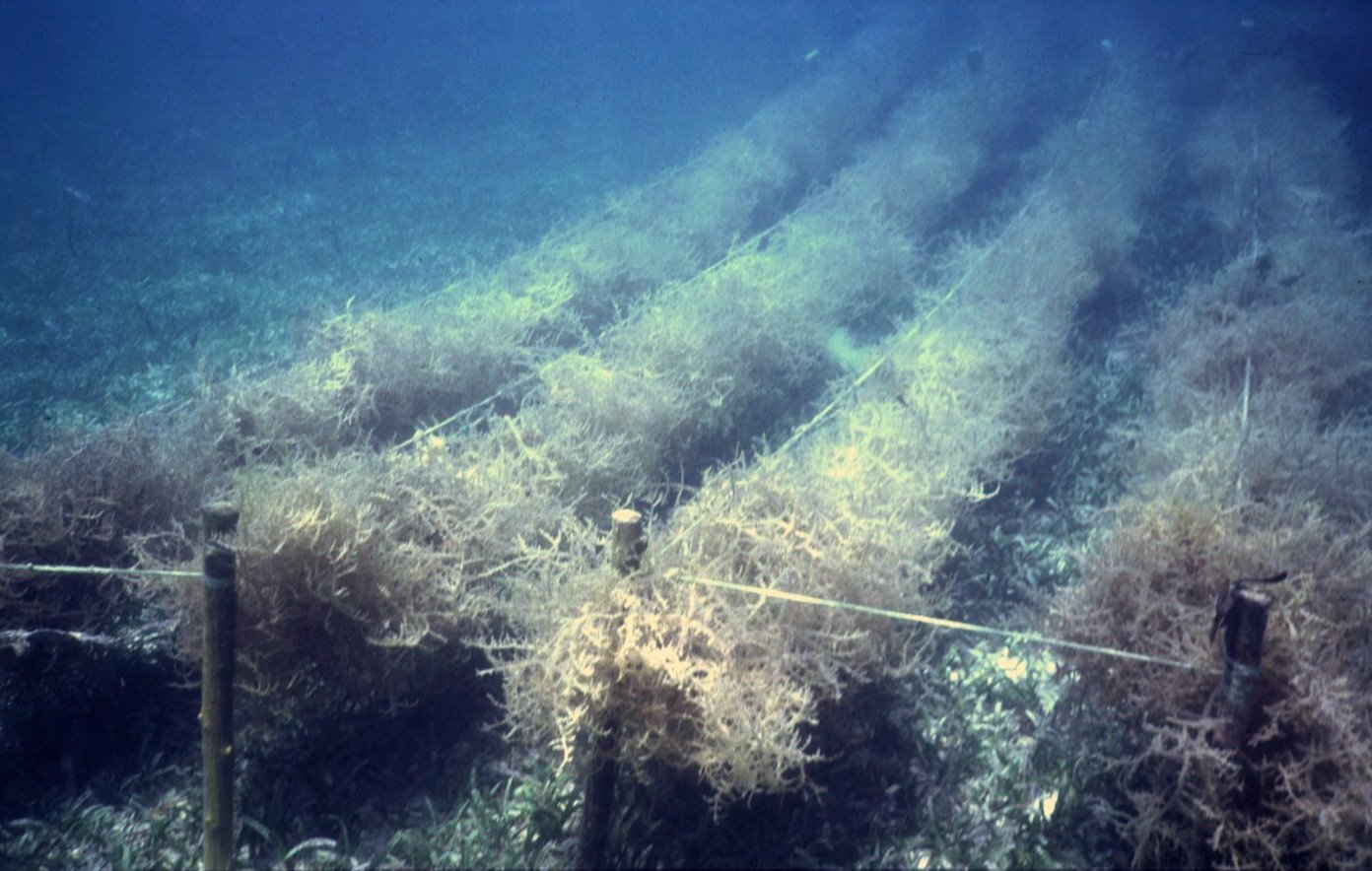
Carrageenan has had a significant cultural impact, particularly in the context of sustainable food movements and wellness culture. The use of carrageenan in food products has been driven in part by consumer demand for natural and organic ingredients. The National Institutes of Health has funded research on the potential health benefits of carrageenan, and the World Wildlife Fund has raised concerns about the impact of large-scale seaweed harvesting on marine ecosystems.
🤔 Controversies & Debates
Controversies surrounding carrageenan include concerns about the impact of large-scale seaweed harvesting on marine ecosystems. As we navigate the complexities of carrageenan in the Golden Age, it is essential to consider the intersections of food, wellness, and sustainability, and to explore the ways in which this versatile ingredient can be used to promote a more conscious and regenerative approach to living.
🔮 Future Outlook & Predictions
The future outlook for carrageenan is characterized by increasing demand for sustainable and natural food ingredients, as well as growing concerns about the impact of large-scale seaweed harvesting on marine ecosystems.
💡 Practical Applications
Practical applications of carrageenan include its use in food products, such as vegan yogurt and plant-based cheese alternatives. Carrageenan is also used in cosmetics and personal care products, where its unique properties make it an effective thickening and stabilizing agent.
Key Facts
- Year
- 2020
- Origin
- Ireland
- Category
- health
- Type
- topic
Frequently Asked Questions
What is carrageenan?
Carrageenan is a natural polysaccharide extracted from red edible seaweeds, used as a gelling, thickening, and stabilizing agent in food products.
Is carrageenan sustainable?
Carrageenan is considered a sustainable ingredient, as it is derived from seaweed and has a lower environmental impact than synthetic ingredients. However, large-scale seaweed harvesting can have negative effects on marine ecosystems.
What are the potential health effects of carrageenan?
More research is needed to fully understand the potential health effects of carrageenan consumption.