
Contents
- 🏯 Introduction to the Catholic Church
- 🌎 Global Presence and Demographics
- 📚 History and Development
- 👥 Structure and Governance
- 🌈 Eastern Catholic Churches
- 🕊️ Latin Church and Its Significance
- 🌍 Missions and Evangelization
- 📊 Statistics and Trends
- 🤝 Interfaith Dialogue and Relations
- 🌟 Challenges and Controversies
- 🔮 Future Prospects and Growth
- Frequently Asked Questions
- Related Topics
Overview
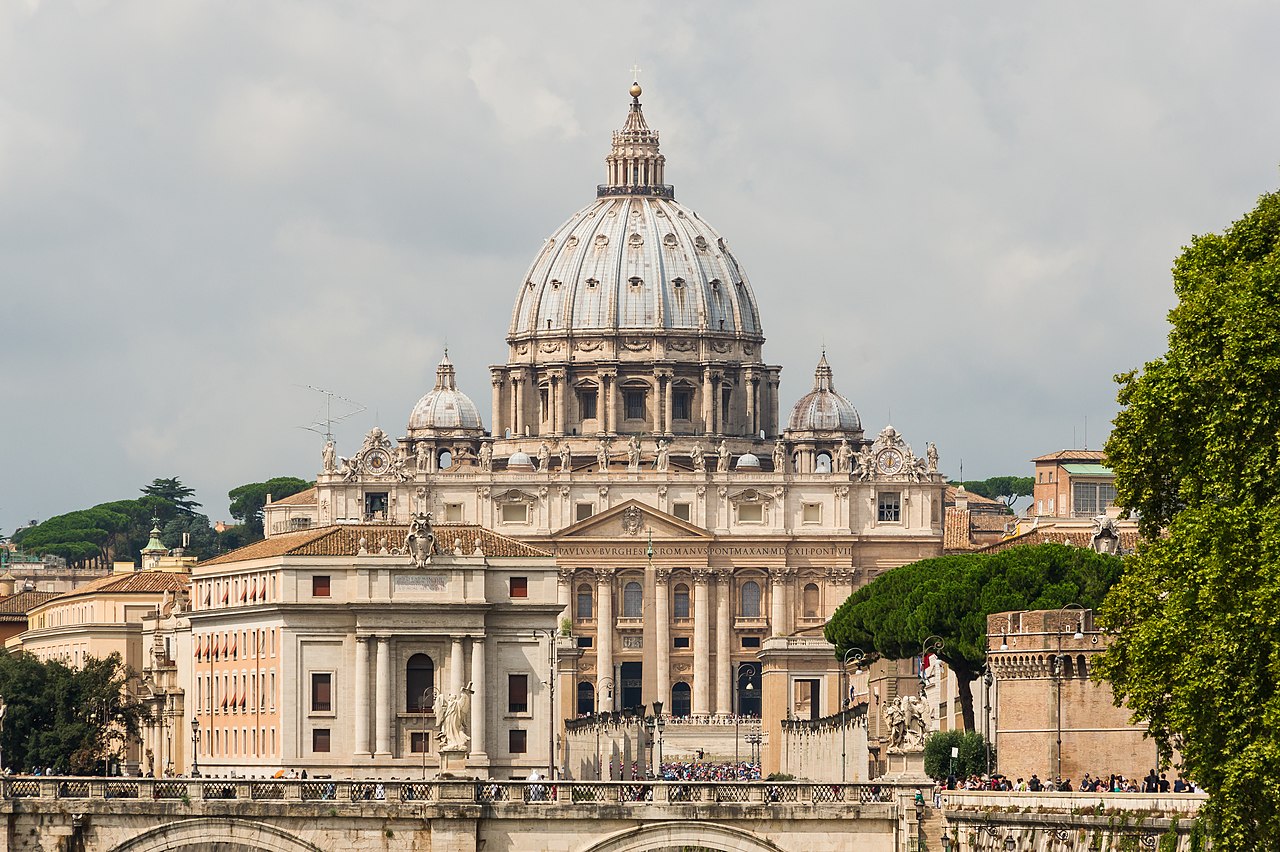
The Catholic Church, with over 1.3 billion adherents, is one of the oldest and largest institutions in the world, tracing its origins back to the apostles of Jesus Christ. Founded by Saint Peter in 33 AD, the Church has a rich history, with significant events such as the Council of Nicaea (325 AD) and the Protestant Reformation (1517 AD) shaping its doctrine and practices. Today, the Church is led by the Pope, currently Pope Francis, who has been instrumental in promoting interfaith dialogue and addressing social issues like climate change and economic inequality. The Church's influence extends beyond spirituality, with a vast network of schools, hospitals, and charitable organizations. However, the Church has also faced numerous controversies, including the clergy sex abuse scandal and criticisms of its stance on issues like birth control and LGBTQ+ rights. As the Church continues to evolve, it must navigate the complexities of the modern world while remaining true to its core values and traditions.
🏯 Introduction to the Catholic Church
The Catholic Church, commonly referred to as the Roman Catholic Church, is the largest Christian church, with an estimated 1.28 to 1.41 billion baptized members worldwide as of 2026. This vast number of adherents is a testament to the church's enduring presence and influence across the globe. The church's history is deeply intertwined with that of Western Civilization, and its impact can be seen in various aspects of society, including art and architecture. The Catholic Church is also home to numerous saints who have played a significant role in shaping the church's teachings and traditions. As the church continues to evolve, it must navigate the complexities of globalization and its effects on local communities.
🌎 Global Presence and Demographics
The Catholic Church has a significant presence in the Global South, with the majority of Catholics residing in Africa, Asia, and Latin America. This demographic shift is largely due to rapid population growth and secularization in parts of Europe and North America. The church's global presence is also facilitated by its extensive network of missions and charity organizations, which provide aid and support to marginalized communities. Furthermore, the church's commitment to social justice and human rights has earned it a reputation as a champion of the poor and vulnerable. However, the church's stance on certain issues, such as birth control and abortion, has been the subject of controversy and debate. The church's teachings on these issues are rooted in its understanding of human dignity and the sanctity of life.
📚 History and Development
The Catholic Church's history is a rich and complex one, spanning over two millennia. The church's early history is marked by the Apostolic Age, during which the apostles of Jesus Christ played a crucial role in spreading the Gospel message. The church's development is also closely tied to the Middle Ages, a period marked by significant cultural, artistic, and theological achievements. The Renissance and Reformation periods also had a profound impact on the church, leading to the emergence of new theological perspectives and the Counter-Reformation. Today, the church continues to evolve, with a renewed focus on ecumenism and interfaith dialogue. The church's engagement with other faith traditions, such as Islam and Judaism, is an important aspect of its mission to promote understanding and peace.
👥 Structure and Governance
The Catholic Church is governed by a complex hierarchy, with the Pope serving as the supreme leader. The church is divided into 24 autonomous churches, including the Latin Church and 23 Eastern Catholic Churches, which are organized into nearly 3,500 dioceses and eparchies. These dioceses and eparchies are governed by bishops, who are responsible for overseeing the spiritual and administrative needs of their respective communities. The church's governance structure is also supported by a network of priests, deacons, and nuns, who play a vital role in providing pastoral care and support to the faithful. The church's teachings on clerical celibacy and the role of women in the church have been the subject of ongoing debate and discussion.
🌈 Eastern Catholic Churches
The Eastern Catholic Churches are a significant component of the Catholic Church, with 23 distinct churches that are in full communion with the Pope. These churches have their own unique traditions and practices, which are shaped by their cultural and historical contexts. The Eastern Catholic Churches are also home to a rich diversity of liturgical traditions, which reflect the church's commitment to preserving its cultural heritage. The church's engagement with the Eastern Catholic Churches is an important aspect of its mission to promote unity and understanding among all Christians. The church's teachings on Eastern Catholic theology and the role of the Patriarch are also significant areas of study and reflection.
🕊️ Latin Church and Its Significance
The Latin Church is the largest of the Catholic Church's 24 autonomous churches, with a significant presence in Europe, the Americas, and other parts of the world. The Latin Church is characterized by its distinctive liturgical traditions, which are shaped by the church's history and cultural context. The church's teachings on Latin theology and the role of the Cardinal are also important areas of study and reflection. The Latin Church is also home to a rich diversity of devotions and practices, which reflect the church's commitment to promoting spiritual growth and development. The church's engagement with the Latin Church is an important aspect of its mission to promote unity and understanding among all Christians.
🌍 Missions and Evangelization
The Catholic Church has a long history of missionary activity, with a strong commitment to spreading the Gospel message to all corners of the globe. The church's missionary work is facilitated by its extensive network of missions and charity organizations, which provide aid and support to marginalized communities. The church's teachings on evangelization and the role of the missionary are also significant areas of study and reflection. The church's engagement with other faith traditions, such as Buddhism and Hinduism, is an important aspect of its mission to promote understanding and peace. The church's commitment to interfaith dialogue is reflected in its participation in various ecumenical and interfaith initiatives.
📊 Statistics and Trends
The Catholic Church is a significant global institution, with a vast network of dioceses, eparchies, and parishes. The church's statistics and trends are closely monitored by scholars and researchers, who seek to understand the church's impact and influence on society. The church's teachings on demographics and the role of the laity are also important areas of study and reflection. The church's engagement with the global community is an important aspect of its mission to promote unity and understanding among all people. The church's commitment to social sciences and statistics is reflected in its participation in various research initiatives and studies.
🤝 Interfaith Dialogue and Relations
The Catholic Church is committed to promoting interfaith dialogue and understanding, with a strong focus on building bridges between different faith traditions. The church's teachings on ecumenism and the role of the dialogue are significant areas of study and reflection. The church's engagement with other faith traditions, such as Judaism and Islam, is an important aspect of its mission to promote peace and understanding. The church's participation in various ecumenical and interfaith initiatives, such as the World Council of Churches, is a testament to its commitment to promoting unity and cooperation among all people.
🌟 Challenges and Controversies
The Catholic Church is not without its challenges and controversies, with ongoing debates and discussions surrounding issues such as clerical abuse and financial scandals. The church's teachings on morality and the role of the conscience are also significant areas of study and reflection. The church's engagement with the global community is an important aspect of its mission to promote unity and understanding among all people. The church's commitment to reform and renewal is reflected in its participation in various initiatives and studies.
🔮 Future Prospects and Growth
As the Catholic Church looks to the future, it must navigate the complexities of a rapidly changing world. The church's teachings on globalization and the role of the faith are significant areas of study and reflection. The church's engagement with the global community is an important aspect of its mission to promote unity and understanding among all people. The church's commitment to evangelization and the role of the missionary is reflected in its participation in various initiatives and studies. As the church continues to evolve, it must remain true to its core teachings and values, while also embracing the challenges and opportunities of the 21st century.
Key Facts
- Year
- 33
- Origin
- Jerusalem, Israel
- Category
- Religion
- Type
- Religious Institution
Frequently Asked Questions
What is the largest Christian church in the world?
The Catholic Church is the largest Christian church in the world, with an estimated 1.28 to 1.41 billion baptized members worldwide as of 2026. The church's size and influence are a testament to its enduring presence and impact on society. The church's teachings on Christianity and the role of the faith are significant areas of study and reflection. The church's engagement with the global community is an important aspect of its mission to promote unity and understanding among all people.
What is the structure of the Catholic Church?
The Catholic Church is governed by a complex hierarchy, with the Pope serving as the supreme leader. The church is divided into 24 autonomous churches, including the Latin Church and 23 Eastern Catholic Churches, which are organized into nearly 3,500 dioceses and eparchies. These dioceses and eparchies are governed by bishops, who are responsible for overseeing the spiritual and administrative needs of their respective communities. The church's teachings on clerical celibacy and the role of the laity are also significant areas of study and reflection.
What is the role of the Pope in the Catholic Church?
The Pope is the supreme leader of the Catholic Church, serving as the bishop of Rome and the spiritual leader of the worldwide Catholic community. The Pope's teachings on Catholic social teaching and the role of the conscience are significant areas of study and reflection. The Pope's engagement with the global community is an important aspect of the church's mission to promote unity and understanding among all people. The Pope's commitment to ecumenism and interfaith dialogue is reflected in the church's participation in various ecumenical and interfaith initiatives.
What is the significance of the Catholic Church in Western civilization?
The Catholic Church has had a profound impact on Western civilization, shaping art, architecture, literature, and culture. The church's teachings on art and architecture and the role of the faith are significant areas of study and reflection. The church's engagement with the global community is an important aspect of its mission to promote unity and understanding among all people. The church's commitment to social justice and human rights has earned it a reputation as a champion of the poor and vulnerable.
What are the challenges facing the Catholic Church in the 21st century?
The Catholic Church faces numerous challenges in the 21st century, including clerical abuse, financial scandals, and declining membership in some parts of the world. The church's teachings on morality and the role of the conscience are significant areas of study and reflection. The church's engagement with the global community is an important aspect of its mission to promote unity and understanding among all people. The church's commitment to reform and renewal is reflected in its participation in various initiatives and studies.
What is the role of the laity in the Catholic Church?
The laity plays a vital role in the Catholic Church, serving as the backbone of the church's mission and ministry. The church's teachings on laity and the role of the faith are significant areas of study and reflection. The church's engagement with the global community is an important aspect of its mission to promote unity and understanding among all people. The church's commitment to lay movement and lay spirituality is reflected in its participation in various initiatives and studies.
What is the significance of the Eastern Catholic Churches?
The Eastern Catholic Churches are a significant component of the Catholic Church, with 23 distinct churches that are in full communion with the Pope. The church's teachings on Eastern Catholic theology and the role of the Patriarch are significant areas of study and reflection. The church's engagement with the Eastern Catholic Churches is an important aspect of its mission to promote unity and understanding among all Christians. The church's commitment to Eastern Catholic liturgy and Eastern Catholic tradition is reflected in its participation in various initiatives and studies.