
Contents
- 🌎 Introduction to Caves: The Uncharted Frontier
- 🏰 Types of Caves: Exogene and Endogene
- 🌴 Cave Formation: Weathering of Rock
- 🔍 Exploring Caves: Challenges and Opportunities
- 🌊 Cave Systems: Underground Water and Geology
- 🔝 Cave Classification: Size, Depth, and Complexity
- 👥 Cave Exploration History: Pioneers and Discoveries
- 🔬 Cave Science: Geology, Biology, and Ecology
- 🌟 Cave Tourism: Adventure and Conservation
- 🚨 Cave Hazards: Risks and Safety Considerations
- 🌈 Cave Conservation: Protecting the Uncharted Frontier
- 🔜 Future of Cave Exploration: Technology and Discovery
- Frequently Asked Questions
- Related Topics
Overview
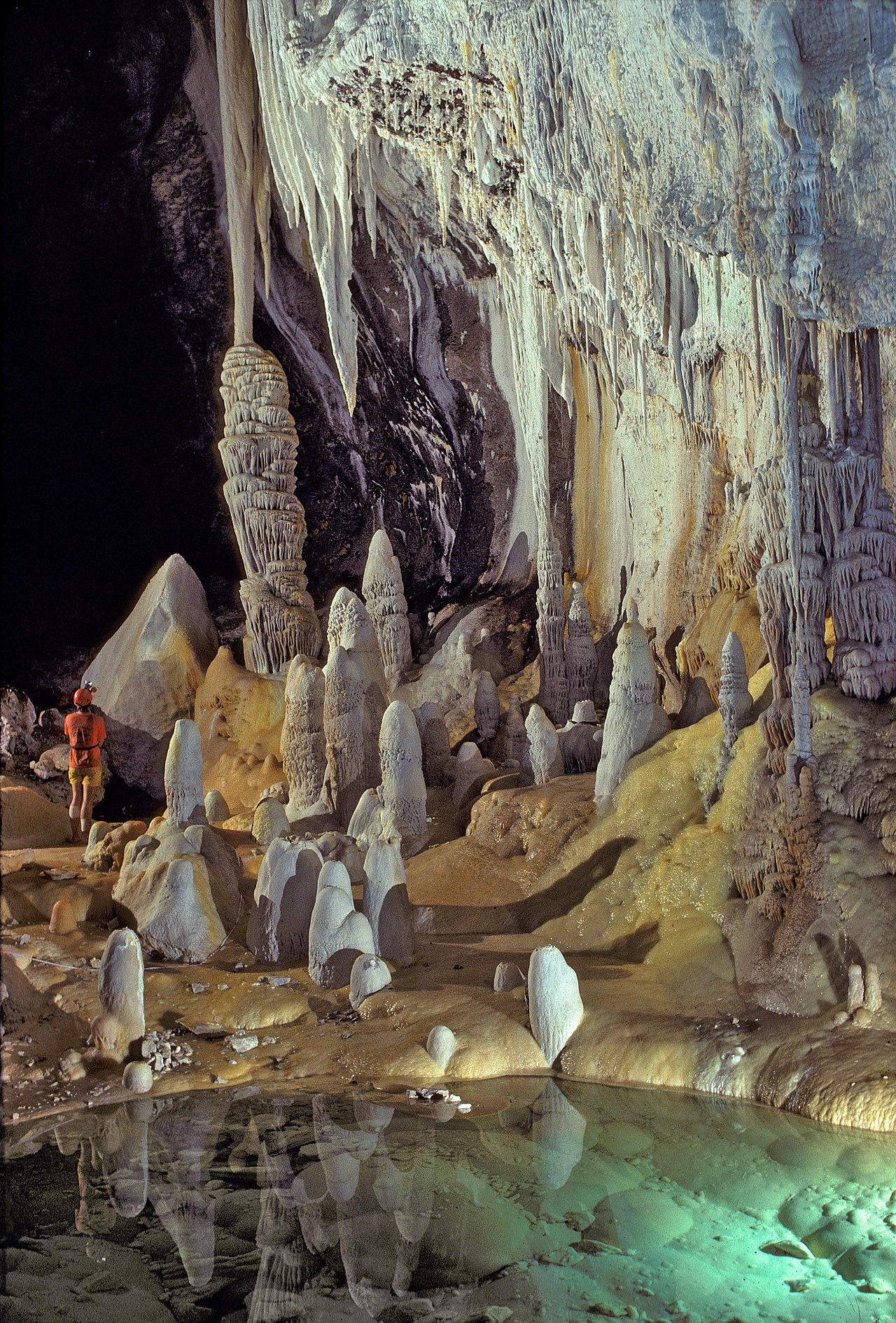
Caves have been a source of fascination for centuries, with their unique formations, diverse ecosystems, and untold histories. From the towering stalactites of Carlsbad Caverns to the ancient rock art of Lascaux, caves have captivated human imagination. With over 100,000 known caves worldwide, spanning across 80 countries, these underground wonders continue to attract explorers, scientists, and adventurers alike. The discovery of new caves, such as the 2019 exploration of the Hang Son Doong cave in Vietnam, has shed light on the vast, unexplored territories that lie beneath our feet. As we continue to venture into the unknown, we are reminded of the awe-inspiring beauty and the uncharted mysteries that caves hold. With a Vibe score of 82, caves have a significant cultural energy, sparking the curiosity of people worldwide, and influencing fields such as geology, biology, and anthropology, with notable figures like speleologist Diana S. Jones and biologist Thomas L. Poulson contributing to our understanding of these underground ecosystems.
🌎 Introduction to Caves: The Uncharted Frontier
Caves are natural voids under the surface of the Earth, formed through the Weathering Process of rock over millions of years. These underground openings can be found in various parts of the world, from the Carlsbad Caverns in New Mexico to the Jenolan Caves in Australia. Caves have also been observed in other rocky worlds, such as Mars and the Moon. The study of caves is a fascinating field that combines Geology, Biology, and Ecology. As we explore caves, we can gain insights into the Earth's history, Climate Change, and the unique ecosystems that exist within these underground environments.
🏰 Types of Caves: Exogene and Endogene
There are two main types of caves: exogene and endogene. Exogene caves are smaller openings that extend a relatively short distance underground, often formed through the Erosion of rock by external factors such as water or wind. Endogene caves, on the other hand, are larger and extend farther underground than the opening is wide. These caves are formed through the Tectonic Activity of the Earth's crust, which can create large voids and passages. Understanding the differences between exogene and endogene caves is crucial for Cave Exploration and Cave Conservation.
🌴 Cave Formation: Weathering of Rock
The formation of caves is a complex process that involves the weathering of rock over time. This can occur through various mechanisms, including Chemical Weathering, Physical Weathering, and Biological Weathering. As rock is weathered, it can break down and create openings that can eventually become caves. The study of cave formation is an important area of research in Geology and can provide insights into the Earth's history and the processes that shape our planet. For example, the Mammoth Cave system in Kentucky is a vast network of passages and chambers that were formed through the dissolution of Limestone rock.
🔍 Exploring Caves: Challenges and Opportunities
Exploring caves can be a challenging and rewarding experience, offering opportunities for adventure and discovery. However, it also requires careful planning and preparation, as caves can be hazardous environments. Cave Exploration involves navigating through narrow passages and large chambers, often in complete darkness. To overcome these challenges, explorers use specialized equipment such as Headlamps, Harnesses, and Ropes. As we explore caves, we can gain insights into the unique ecosystems that exist within these environments, including rare and exotic species such as Blind Fish and Cave Bears.
🌊 Cave Systems: Underground Water and Geology
Cave systems are complex networks of passages and chambers that can extend deep underground. These systems often involve underground water, which can flow through the caves and create unique geological formations. The study of cave systems is an important area of research in Hydrology and Geology, and can provide insights into the Earth's water cycle and the processes that shape our planet. For example, the Wind Cave system in South Dakota is a vast network of passages and chambers that were formed through the dissolution of Limestone rock by underground water.
🔝 Cave Classification: Size, Depth, and Complexity
Caves can be classified based on their size, depth, and complexity. Small caves, such as Sea Caves, may be little more than shallow openings in the rock. Larger caves, such as Carlsbad Caverns, can extend deep underground and involve complex networks of passages and chambers. The classification of caves is an important area of research in Speleology, and can provide insights into the geological and biological processes that shape these environments. For example, the Mammoth Cave system in Kentucky is a vast network of passages and chambers that were formed through the dissolution of Limestone rock.
👥 Cave Exploration History: Pioneers and Discoveries
The history of cave exploration is a long and fascinating one, involving pioneers such as Edmund Hillary and Jacques Cousteau. These explorers have ventured into the unknown, discovering new caves and ecosystems, and expanding our knowledge of the Earth's geology and biology. As we look back on the history of cave exploration, we can gain insights into the challenges and opportunities that exist in this field, and the importance of preserving these unique environments for future generations. For example, the Lascaux Cave in France is a famous archaeological site that contains ancient cave paintings and artifacts.
🔬 Cave Science: Geology, Biology, and Ecology
The science of caves is a multidisciplinary field that involves Geology, Biology, and Ecology. By studying caves, we can gain insights into the Earth's history, Climate Change, and the unique ecosystems that exist within these environments. Caves can provide a unique window into the past, offering insights into the evolution of life on Earth and the processes that shape our planet. For example, the Grand Canyon is a vast canyon system that was formed through the erosion of rock over millions of years, and contains a rich geological and biological history.
🌟 Cave Tourism: Adventure and Conservation
Cave tourism is a growing industry, offering opportunities for adventure and exploration. However, it also requires careful management and conservation, to protect these unique environments and the ecosystems that exist within them. As we explore caves, we can gain insights into the importance of preserving these environments, and the role that tourism can play in supporting conservation efforts. For example, the Waitomo Glowworm Caves in New Zealand are a popular tourist destination, and offer a unique opportunity to experience the beauty and wonder of these underground environments.
🚨 Cave Hazards: Risks and Safety Considerations
Caves can be hazardous environments, involving risks such as Rockfall, Flooding, and Getting Lost. To overcome these challenges, explorers must be carefully prepared and equipped, with specialized gear such as Headlamps, Harnesses, and Ropes. As we explore caves, we must also be aware of the potential risks and hazards, and take steps to mitigate them. For example, the Mammoth Cave system in Kentucky has a complex network of passages and chambers, and requires careful navigation and planning to explore safely.
🌈 Cave Conservation: Protecting the Uncharted Frontier
The conservation of caves is an important area of research and practice, involving the protection of these unique environments and the ecosystems that exist within them. Caves can provide a unique window into the past, offering insights into the evolution of life on Earth and the processes that shape our planet. As we look to the future, we must prioritize the conservation of caves, and take steps to protect these environments for future generations. For example, the Lascaux Cave in France is a famous archaeological site that contains ancient cave paintings and artifacts, and requires careful conservation and management to preserve its cultural and historical significance.
🔜 Future of Cave Exploration: Technology and Discovery
As we look to the future of cave exploration, we can expect new technologies and discoveries to emerge. For example, the use of Drones and Lidar technology can provide new insights into cave systems and ecosystems, and offer opportunities for more efficient and effective exploration. As we explore caves, we must also be aware of the potential risks and hazards, and take steps to mitigate them. For example, the Grand Canyon is a vast canyon system that was formed through the erosion of rock over millions of years, and contains a rich geological and biological history.
Key Facts
- Year
- 2022
- Origin
- Global
- Category
- Geology and Exploration
- Type
- Natural Formation
Frequently Asked Questions
What is the difference between exogene and endogene caves?
Exogene caves are smaller openings that extend a relatively short distance underground, often formed through the erosion of rock by external factors such as water or wind. Endogene caves, on the other hand, are larger and extend farther underground than the opening is wide. These caves are formed through the tectonic activity of the Earth's crust, which can create large voids and passages. Understanding the differences between exogene and endogene caves is crucial for cave exploration and conservation.
What are some of the unique ecosystems that exist within caves?
Caves can provide a unique window into the past, offering insights into the evolution of life on Earth and the processes that shape our planet. Some of the unique ecosystems that exist within caves include rare and exotic species such as blind fish and cave bears. These ecosystems are often found in areas with limited access to light and nutrients, and can provide insights into the adaptability and diversity of life on Earth.
What are some of the challenges and opportunities of cave exploration?
Cave exploration can be a challenging and rewarding experience, offering opportunities for adventure and discovery. However, it also requires careful planning and preparation, as caves can be hazardous environments. Some of the challenges of cave exploration include navigating through narrow passages and large chambers, often in complete darkness. To overcome these challenges, explorers must be carefully prepared and equipped, with specialized gear such as headlamps, harnesses, and ropes.
What is the importance of cave conservation?
The conservation of caves is an important area of research and practice, involving the protection of these unique environments and the ecosystems that exist within them. Caves can provide a unique window into the past, offering insights into the evolution of life on Earth and the processes that shape our planet. As we look to the future, we must prioritize the conservation of caves, and take steps to protect these environments for future generations.
What are some of the new technologies and discoveries that are emerging in the field of cave exploration?
As we look to the future of cave exploration, we can expect new technologies and discoveries to emerge. For example, the use of drones and lidar technology can provide new insights into cave systems and ecosystems, and offer opportunities for more efficient and effective exploration. Additionally, advances in fields such as geology and biology can provide new insights into the formation and evolution of caves, and the unique ecosystems that exist within them.
What are some of the potential risks and hazards of cave exploration?
Caves can be hazardous environments, involving risks such as rockfall, flooding, and getting lost. To overcome these challenges, explorers must be carefully prepared and equipped, with specialized gear such as headlamps, harnesses, and ropes. Additionally, explorers must be aware of the potential risks and hazards, and take steps to mitigate them. For example, the Mammoth Cave system in Kentucky has a complex network of passages and chambers, and requires careful navigation and planning to explore safely.
What is the role of tourism in cave conservation?
Cave tourism is a growing industry, offering opportunities for adventure and exploration. However, it also requires careful management and conservation, to protect these unique environments and the ecosystems that exist within them. As we explore caves, we can gain insights into the importance of preserving these environments, and the role that tourism can play in supporting conservation efforts. For example, the Waitomo Glowworm Caves in New Zealand are a popular tourist destination, and offer a unique opportunity to experience the beauty and wonder of these underground environments.