
Contents
Overview
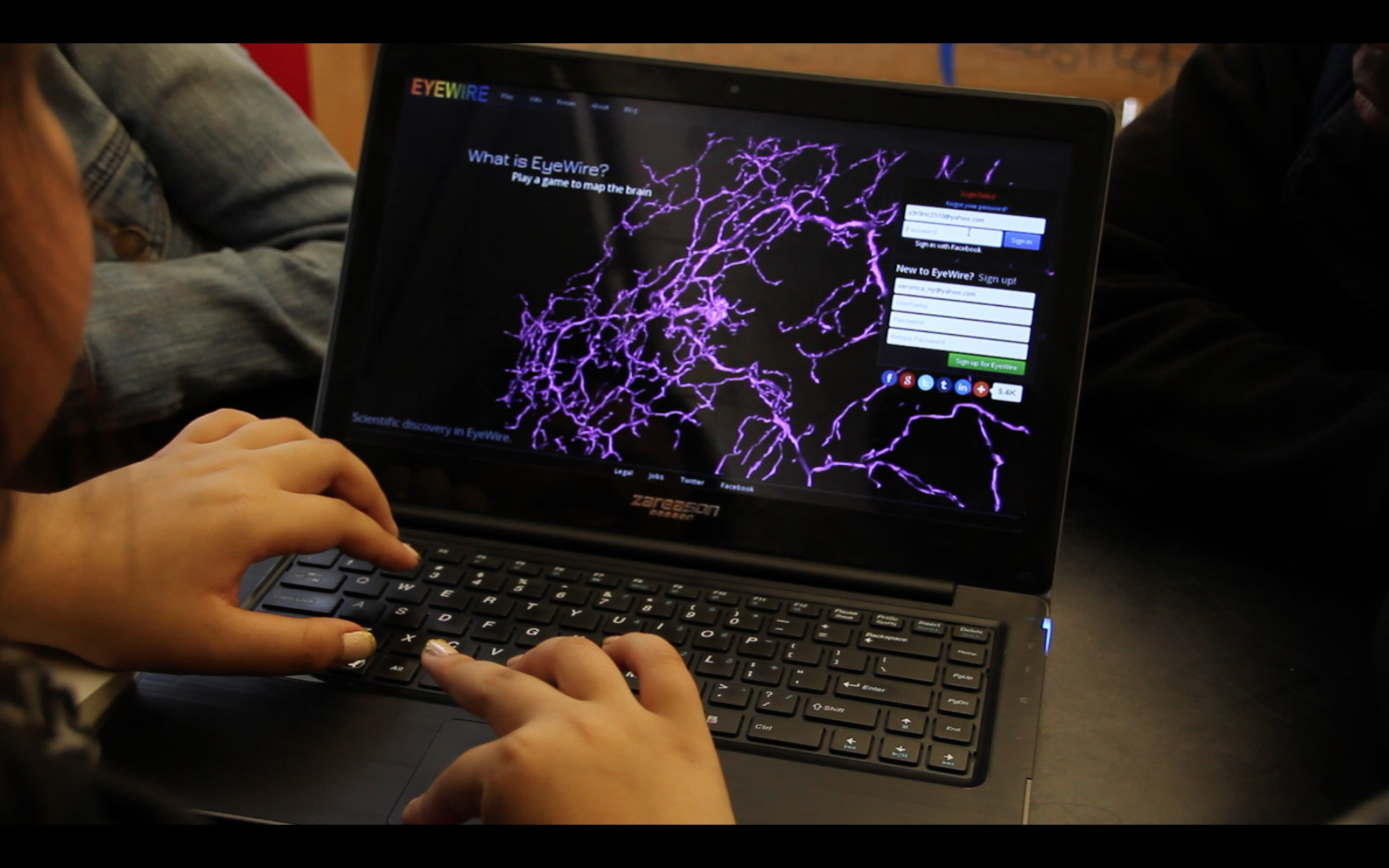
Citizen science is a collaborative approach to scientific research that involves the participation of the general public, amateur or nonprofessional researchers, and participants from various disciplines. With applications in ecology, biology, conservation, health, and astronomy, citizen science has become a vital tool for advancing our understanding of the world. By leveraging the power of crowdsourcing and participatory science, citizen science projects can collect and analyze large datasets, monitor environmental changes, and promote community engagement. The Zooniverse platform has enabled citizens to classify galaxy images, while the Audubon Society has mobilized volunteers to track bird migrations. The Smithsonian Institution's Citizen Science Initiative has mobilized volunteers to transcribe historical documents and analyze museum collections. The United Nations has also launched initiatives to promote citizen science and sustainable development.
🎵 Origins & History
Citizen science projects typically involve a range of activities, from data collection and classification to experimentation and analysis. Participants can contribute to research projects through online platforms, mobile apps, or in-person events. For example, the Eye on the Storm project enables citizens to track and report severe weather events, while the Citizen Science Association provides resources and support for researchers and participants alike. By leveraging technologies like artificial intelligence and machine learning, citizen science projects can process and analyze large datasets, uncovering new insights and patterns. The Open Science Framework has developed tools and resources for researchers to share and collaborate on scientific data.
⚙️ How It Works
The European Union has funded research on the impact of citizen science on environmental policy and decision-making. Citizen science has had a profound impact on our understanding of the natural world, from the discovery of exoplanets to the monitoring of climate change. By engaging citizens in scientific research, we can promote a culture of civic engagement, critical thinking, and scientific literacy. As noted by Carl Sagan, 'science is a way of thinking, much more than it is a body of knowledge.' Citizen science embodies this spirit, empowering individuals to contribute to the scientific enterprise and fostering a sense of community and shared purpose.
📊 Key Facts & Numbers
Citizen science has numerous practical applications, from environmental monitoring to medical research. By engaging citizens in scientific research, we can promote a culture of civic engagement, critical thinking, and scientific literacy. For example, the Citizen Science Association has developed resources and guidelines for researchers and participants, while the National Institutes of Health has funded research on the impact of citizen science on public health outcomes. By leveraging the potential of citizen science, we can create a more inclusive, effective, and sustainable scientific enterprise.
👥 Key People & Organizations
Related topics in citizen science include participatory science, crowdsourcing, and open science. These approaches share a common goal of promoting greater inclusivity, transparency, and collaboration in scientific research. By exploring the intersections and synergies between these approaches, we can create a more vibrant, dynamic, and effective scientific enterprise.
🌍 Cultural Impact & Influence
Despite its many benefits, citizen science is not without controversy. Some critics argue that citizen science can compromise data quality, while others raise concerns about the exploitation of volunteer labor. However, proponents of citizen science argue that these challenges can be addressed through careful project design, robust quality control measures, and a commitment to transparency and accountability. By acknowledging the complexities and challenges of citizen science, we can work towards creating a more inclusive, effective, and sustainable scientific enterprise.
⚡ Current State & Latest Developments
Looking to the future, citizen science is poised to play an increasingly important role in addressing complex societal challenges, from climate change to public health. By leveraging the power of crowdsourcing and participatory science, we can create a more inclusive, effective, and sustainable scientific enterprise. By fostering collaboration between citizens, researchers, and institutions, we can create a brighter, more sustainable future for all.
Key Facts
- Category
- consciousness
- Type
- topic