
Contents
- 🏙️ Introduction to Copenhagen
- 🚴♀️ Sustainable Transportation
- 🏞️ Green Spaces and Parks
- 🏙️ Urban Planning and Architecture
- 📈 Economic Development and Innovation
- 👥 Community Engagement and Participation
- 🚮 Waste Management and Recycling
- 💡 Energy Efficiency and Renewable Energy
- 🌎 Global Influence and Cooperation
- 📊 Challenges and Future Directions
- 👍 Conclusion and Recommendations
- Frequently Asked Questions
- Related Topics
Overview
Copenhagen, with a vibe score of 87, is a city that seamlessly blends its rich history with cutting-edge innovation, making it a hub for sustainability, design, and culinary excellence. Founded in the 10th century, Copenhagen has evolved from a small fishing village to a thriving metropolis, known for its iconic landmarks like the Tivoli Gardens and the Little Mermaid statue. The city is a leader in green initiatives, aiming to be carbon neutral by 2025, and is home to a plethora of startups and companies focused on clean tech and renewable energy. Despite its high cost of living, Copenhagen consistently ranks high in quality of life indexes, thanks to its excellent education system, low crime rate, and comprehensive social welfare programs. However, the city also faces challenges such as gentrification and housing shortages, which have sparked debates about urban development and affordability. As the city continues to grow and evolve, it will be interesting to see how Copenhagen balances its commitment to sustainability with the needs of its expanding population.
🏙️ Introduction to Copenhagen
Copenhagen, the capital of Denmark, is a city that seamlessly blends history, culture, and innovation. With a rich history dating back to the 12th century, Copenhagen has evolved into a thriving metropolis that is now a model for sustainable urban planning. The city's harbor area has undergone significant transformation, with a focus on green infrastructure and public transportation. As a result, Copenhagen has become a popular destination for tourists and a hub for Danish culture.
🚴♀️ Sustainable Transportation
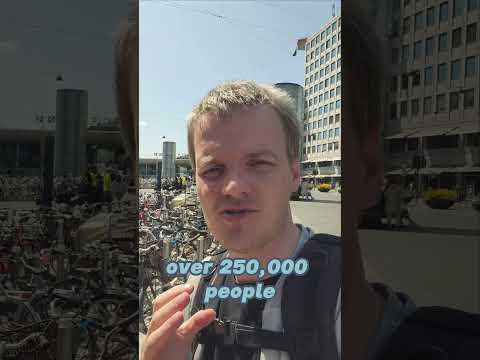
One of the key factors contributing to Copenhagen's success is its sustainable transportation system. The city has invested heavily in cycling infrastructure, with over 350 kilometers of bike lanes and a bike-sharing system. This has led to a significant reduction in carbon emissions and has made Copenhagen one of the most cyclist-friendly cities in the world. Additionally, the city has a well-developed public transportation system, with an extensive network of buses and trains. The Copenhagen Metro is a notable example of efficient and reliable public transportation.
🏞️ Green Spaces and Parks
Copenhagen is also renowned for its beautiful green spaces and parks. The King's Garden, for example, is a historic park that dates back to the 17th century and features stunning gardens, fountains, and walking trails. The city's park system is designed to provide citizens with easy access to nature and recreational activities, promoting a high quality of life. The Amager Fælled is another notable park, offering a unique blend of natural habitats and recreational facilities. Copenhagen's commitment to urban parks has earned it a reputation as one of the most livable cities in the world.
🏙️ Urban Planning and Architecture
Copenhagen's urban planning and architecture are characterized by a mix of historic and modern buildings. The city's medieval quarter features narrow streets and colorful buildings, while the harbor area is home to modern architecture and innovative design. The Opera House is a notable example of contemporary architecture, with a striking design that has become a symbol of the city. Copenhagen's architecture scene is thriving, with a focus on sustainable design and energy efficiency. The city's building codes and zoning laws are designed to promote green building practices and reduce the city's environmental footprint.
📈 Economic Development and Innovation
Copenhagen is a hub for economic development and innovation, with a strong focus on sustainable industries. The city is home to a number of startups and scaleups, particularly in the fields of clean-tech and renewable energy. The Copenhagen Clean Tech Cluster is a notable example of the city's commitment to sustainable innovation. Copenhagen's business environment is characterized by a high level of collaboration between companies, research institutions, and the public sector. The city's innovation ecosystem is designed to support the growth of sustainable businesses and promote a circular economy.
👥 Community Engagement and Participation
Community engagement and participation are essential components of Copenhagen's urban planning and development strategy. The city has a strong tradition of citizen participation in the planning process, with a focus on inclusive decision-making. The Copenhagen Participation Model is a notable example of the city's commitment to community engagement. Copenhagen's neighborhood planning approach involves close collaboration between citizens, businesses, and the public sector to create vibrant and sustainable neighborhoods. The city's community development initiatives are designed to promote social cohesion and support the growth of local communities.
🚮 Waste Management and Recycling
Copenhagen is a leader in waste management and recycling, with a focus on zero waste and circular economy principles. The city's waste management system is designed to minimize waste and promote recycling, with a goal of becoming carbon neutral by 2025. The Copenhagen Waste-to-Energy plant is a notable example of the city's commitment to sustainable waste management. Copenhagen's recycling program is one of the most advanced in the world, with a high level of recycling rate. The city's waste reduction initiatives are designed to minimize waste and promote a sustainable lifestyle.
💡 Energy Efficiency and Renewable Energy
Copenhagen is a pioneer in energy efficiency and renewable energy, with a focus on sustainable energy solutions. The city's district heating system is one of the most efficient in the world, providing heat to over 98% of the city's buildings. The Copenhagen Wind Farm is a notable example of the city's commitment to renewable energy. Copenhagen's energy policy is designed to promote the use of renewable energy sources and reduce the city's reliance on fossil fuels. The city's energy efficiency initiatives are designed to minimize energy consumption and promote a sustainable energy future.
🌎 Global Influence and Cooperation
Copenhagen is a global leader in urban sustainability, with a strong focus on international cooperation and knowledge sharing. The city is a member of the C40 Cities network, a global network of cities committed to addressing climate change. The Copenhagen Climate Adaptation Project is a notable example of the city's commitment to climate resilience. Copenhagen's global influence is evident in its role as a hub for sustainable urban development, with a focus on knowledge sharing and capacity building. The city's international partnerships are designed to promote the growth of sustainable cities around the world.
📊 Challenges and Future Directions
Despite its many successes, Copenhagen still faces a number of challenges and future directions. The city's population growth is putting pressure on its infrastructure and services, and there are concerns about affordability and gentrification. The Copenhagen housing market is a notable example of the city's challenges, with a high level of housing prices and a shortage of affordable housing. Copenhagen's transportation system is also facing challenges, with a growing number of traffic congestion and air pollution. The city's future plans are designed to address these challenges and promote a sustainable future.
👍 Conclusion and Recommendations
In conclusion, Copenhagen is a city that is truly committed to sustainable development and urban planning. With its strong focus on green infrastructure, public transportation, and community engagement, Copenhagen is a model for cities around the world. The city's recommendations for sustainable urban development are designed to promote the growth of sustainable cities and support the UN Sustainable Development Goals. As the city continues to evolve and grow, it is likely that Copenhagen will remain a leader in urban sustainability and a source of inspiration for cities around the world.
Key Facts
- Year
- 2023
- Origin
- Denmark
- Category
- Urban Planning and Development
- Type
- City
Frequently Asked Questions
What is Copenhagen's approach to sustainable transportation?
Copenhagen has a strong focus on sustainable transportation, with a well-developed cycling infrastructure and public transportation system. The city has invested heavily in bike-sharing systems and electric vehicles, and has implemented a number of initiatives to reduce carbon emissions and promote sustainable mobility.
How does Copenhagen engage with its citizens in the planning process?
Copenhagen has a strong tradition of citizen participation in the planning process, with a focus on inclusive decision-making. The city uses a variety of tools and techniques to engage with citizens, including public consultations, workshops, and online platforms.
What is Copenhagen's approach to waste management and recycling?
Copenhagen has a strong focus on waste management and recycling, with a goal of becoming carbon neutral by 2025. The city's waste management system is designed to minimize waste and promote recycling, with a high level of recycling rate.
How does Copenhagen promote energy efficiency and renewable energy?
Copenhagen has a strong focus on energy efficiency and renewable energy, with a focus on sustainable energy solutions. The city's district heating system is one of the most efficient in the world, providing heat to over 98% of the city's buildings. The city also has a number of initiatives to promote the use of renewable energy sources and reduce the city's reliance on fossil fuels.
What are some of the challenges facing Copenhagen in terms of sustainable development?
Despite its many successes, Copenhagen still faces a number of challenges and future directions. The city's population growth is putting pressure on its infrastructure and services, and there are concerns about affordability and gentrification. The city's transportation system is also facing challenges, with a growing number of traffic congestion and air pollution.