
Contents
- 🌿 Introduction to Cochineal
- 🔍 History of Cochineal Dye
- 🌸 The Science of Carmine
- 🎨 Artistic Applications of Cochineal
- 🌻 Cultivation and Harvesting of Cochineal
- 🕊️ Cultural Significance of Cochineal
- 🌟 The Economics of Cochineal Trade
- 🌎 Global Impact of Cochineal
- 🔬 Synthetic Alternatives to Cochineal
- 👥 Notable Figures in Cochineal History
- 📚 Cochineal in Modern Times
- 🔮 Future Prospects for Cochineal
- Frequently Asked Questions
- Related Topics
Overview
Cochineal, a small insect native to the Americas, has been a prized source of crimson dye for over 1,000 years, with a vibe score of 82. The Aztecs and Mayans used it to color fabrics, and the Spanish conquest of the New World led to its introduction to Europe, where it became a highly sought-after luxury item. However, the cochineal trade was also marked by controversy, with allegations of exploitation and environmental degradation. Today, cochineal is still used in the production of high-end textiles, cosmetics, and food products, with companies like Gucci and Chanel incorporating it into their designs. Despite its widespread use, the cochineal industry remains largely unregulated, raising concerns about the treatment of workers and the environmental impact of cochineal farming. As the demand for natural and sustainable products continues to grow, the cochineal industry is likely to face increasing scrutiny and pressure to adopt more responsible practices.
🌿 Introduction to Cochineal
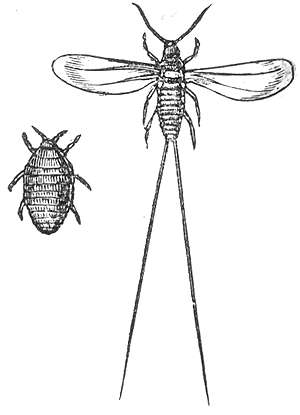
The cochineal insect, a scale insect in the suborder Sternorrhyncha, has been a vital source of the natural dye carmine for centuries. Native to tropical and subtropical South America through North America, the cochineal insect lives on cacti in the genus Opuntia, feeding on plant moisture and nutrients. The insects are found on the pads of prickly pear cacti, collected by brushing them off the plants, and dried. This process is crucial in producing the vibrant red color associated with carmine. For more information on the Cactus genus and its various species, visit our page on Opuntia. The use of cochineal dye has been documented in the history of Mexico and South America, where it was highly valued for its vibrant color.
🔍 History of Cochineal Dye
The history of cochineal dye dates back to the Aztec and Mayans civilizations, where it was used to dye fabrics, cosmetics, and even as a form of currency. The cochineal insect was considered a valuable commodity, and its cultivation and trade played a significant role in the economies of these ancient civilizations. The use of cochineal dye spread throughout the world, particularly in the production of Textiles and Cosmetics. For more information on the history of Dye and its various applications, visit our page on Natural Dye.
🌸 The Science of Carmine
The science behind carmine, the natural dye derived from the cochineal insect, is complex and fascinating. The insect's body contains a pigment called carminic acid, which is responsible for its vibrant red color. The process of extracting carminic acid from the cochineal insect involves crushing the insects and mixing them with water and other substances to create a range of shades from pink to purple. This process has been refined over the centuries, with various techniques and ingredients being used to enhance the color and durability of the dye. For more information on the chemistry of Carminic Acid and its applications, visit our page on Carmine.
🎨 Artistic Applications of Cochineal
Cochineal dye has been used in a variety of artistic applications, from Painting and Printmaking to Fashion and Interior Design. The vibrant red color of carmine has been a popular choice for artists and designers throughout history, and its use can be seen in many famous works of art. The use of cochineal dye in Textile Art is particularly notable, with many traditional techniques and patterns being used to create intricate and beautiful designs. For more information on the use of cochineal dye in Art History, visit our page on Color Theory.
🌻 Cultivation and Harvesting of Cochineal
The cultivation and harvesting of cochineal insects is a labor-intensive process that requires great care and attention to detail. The insects are typically found on the pads of prickly pear cacti, and are collected by brushing them off the plants and drying them in the sun. The cochineal insects are then crushed and mixed with water and other substances to create the carmine dye. This process has been refined over the centuries, with various techniques and ingredients being used to enhance the color and durability of the dye. For more information on the Agriculture of cochineal insects, visit our page on Insect Farming.
🕊️ Cultural Significance of Cochineal
The cultural significance of cochineal dye cannot be overstated, with its use being an integral part of many traditional practices and rituals. In Mexico, for example, cochineal dye is still used today in the production of traditional Textiles and Cosmetics. The use of cochineal dye has also been documented in the history of South America, where it was highly valued for its vibrant color and cultural significance. For more information on the cultural significance of cochineal dye, visit our page on Cultural Anthropology.
🌟 The Economics of Cochineal Trade
The economics of cochineal trade have played a significant role in the history of the dye, with its cultivation and trade being a major source of income for many communities. The cochineal insect was considered a valuable commodity, and its trade was highly regulated and controlled. The use of cochineal dye spread throughout the world, particularly in the production of Textiles and Cosmetics. For more information on the Economics of cochineal trade, visit our page on International Trade.
🌎 Global Impact of Cochineal
The global impact of cochineal dye has been significant, with its use being documented in many parts of the world. The dye has been used in a variety of applications, from Art and Fashion to Food and Cosmetics. The use of cochineal dye has also had a significant impact on the environment, with the cultivation of cochineal insects requiring large amounts of land and water. For more information on the environmental impact of cochineal dye, visit our page on Sustainability.
🔬 Synthetic Alternatives to Cochineal
In recent years, synthetic alternatives to cochineal dye have been developed, offering a more affordable and sustainable option for many applications. However, the use of cochineal dye remains popular, particularly in the production of high-end Textiles and Cosmetics. The unique properties of carmine, including its vibrant color and durability, make it a highly sought-after dye. For more information on the Chemistry of synthetic dyes, visit our page on Synthetic Dye.
👥 Notable Figures in Cochineal History
Several notable figures have played a significant role in the history of cochineal dye, including Fernando Cortes, who introduced the dye to Europe in the 16th century. The use of cochineal dye has also been documented in the history of Aztec and Mayans civilizations, where it was highly valued for its vibrant color and cultural significance. For more information on the history of Exploration and its impact on the trade of cochineal dye, visit our page on Colonialism.
📚 Cochineal in Modern Times
In modern times, cochineal dye continues to be used in a variety of applications, from Art and Fashion to Food and Cosmetics. The unique properties of carmine, including its vibrant color and durability, make it a highly sought-after dye. However, the use of cochineal dye has also raised concerns about its environmental impact and the ethics of its production. For more information on the modern uses of cochineal dye, visit our page on Sustainable Fashion.
🔮 Future Prospects for Cochineal
The future prospects for cochineal dye are uncertain, with the development of synthetic alternatives and concerns about its environmental impact and ethics of production. However, the unique properties of carmine, including its vibrant color and durability, make it a highly sought-after dye. As consumers become increasingly aware of the environmental and social impact of their purchasing decisions, the demand for sustainable and ethical products is likely to grow. For more information on the future of Sustainable Living, visit our page on Eco-Friendly products.
Key Facts
- Year
- 1519
- Origin
- Mesoamerica
- Category
- Art and Culture
- Type
- Insect-Based Dye
Frequently Asked Questions
What is cochineal dye?
Cochineal dye is a natural dye derived from the cochineal insect, a scale insect in the suborder Sternorrhyncha. The dye is used to produce a range of shades from pink to purple and has been used in a variety of applications, from Textiles and Cosmetics to Art and Fashion. For more information on the history of Dye and its various applications, visit our page on Natural Dye.
How is cochineal dye produced?
The production of cochineal dye involves the cultivation and harvesting of cochineal insects, which are typically found on the pads of prickly pear cacti. The insects are collected by brushing them off the plants and drying them in the sun. The cochineal insects are then crushed and mixed with water and other substances to create the carmine dye. This process has been refined over the centuries, with various techniques and ingredients being used to enhance the color and durability of the dye. For more information on the Agriculture of cochineal insects, visit our page on Insect Farming.
What are the cultural significance and historical uses of cochineal dye?
The cultural significance of cochineal dye cannot be overstated, with its use being an integral part of many traditional practices and rituals. In Mexico, for example, cochineal dye is still used today in the production of traditional Textiles and Cosmetics. The use of cochineal dye has also been documented in the history of South America, where it was highly valued for its vibrant color and cultural significance. For more information on the cultural significance of cochineal dye, visit our page on Cultural Anthropology.
What are the environmental and social impacts of cochineal dye production?
The environmental impact of cochineal dye production is significant, with the cultivation of cochineal insects requiring large amounts of land and water. The use of cochineal dye has also raised concerns about its ethics of production, with many producers relying on labor-intensive and often exploitative practices. For more information on the environmental impact of cochineal dye, visit our page on Sustainability.
What are the future prospects for cochineal dye?
The future prospects for cochineal dye are uncertain, with the development of synthetic alternatives and concerns about its environmental impact and ethics of production. However, the unique properties of carmine, including its vibrant color and durability, make it a highly sought-after dye. As consumers become increasingly aware of the environmental and social impact of their purchasing decisions, the demand for sustainable and ethical products is likely to grow. For more information on the future of Sustainable Living, visit our page on Eco-Friendly products.
How is cochineal dye used in modern times?
In modern times, cochineal dye continues to be used in a variety of applications, from Art and Fashion to Food and Cosmetics. The unique properties of carmine, including its vibrant color and durability, make it a highly sought-after dye. However, the use of cochineal dye has also raised concerns about its environmental impact and the ethics of its production. For more information on the modern uses of cochineal dye, visit our page on Sustainable Fashion.
What are the alternatives to cochineal dye?
In recent years, synthetic alternatives to cochineal dye have been developed, offering a more affordable and sustainable option for many applications. However, the use of cochineal dye remains popular, particularly in the production of high-end Textiles and Cosmetics. The unique properties of carmine, including its vibrant color and durability, make it a highly sought-after dye. For more information on the Chemistry of synthetic dyes, visit our page on Synthetic Dye.