
Contents
- 🏙️ Introduction to Coffee Culture
- 🍵 Types of Coffee Drinks
- 🍴 Food Options in Coffee Shops
- 🌍 Global Variations of Coffeehouses
- 🍹 Alcoholic Drinks in European Cafes
- 🚭 Shisha and Hookah in Middle Eastern Cafes
- 🍩 Doughnut Shops as Casual Coffee Spots
- 💡 The Evolution of Coffee Shops
- 📊 Business Models of Coffee Shops
- 👥 Social Aspect of Coffee Shops
- 🚀 Future of Coffee Shops
- Frequently Asked Questions
- Related Topics
Overview
Coffee shops have become an integral part of modern life, with the global market valued at over $80 billion. The first coffee shop, established by Pasqua Rosee in 1652 in London, laid the groundwork for the contemporary coffee culture. Today, chains like Starbucks, founded in 1971 by Jerry Baldwin, Zev Siegl, and Gordon Bowker, and independent shops like Intelligentsia Coffee, founded in 1995 by Geoff Watts, have transformed the way we experience coffee. With the rise of third-wave coffee, the focus has shifted from mass-produced beans to high-quality, artisanal roasts. As the industry continues to grow, with an estimated 35,000 coffee shops in the United States alone, the debate surrounding the impact of large chains on local businesses and the environment has sparked controversy. According to a study by the National Coffee Association, 68% of Americans drink coffee every day, with the average person consuming around 2.1 cups per day. The influence of coffee shops can be seen in the work of designers like Rem Koolhaas, who has designed coffee shops for companies like Prada, and the rise of coffee-themed events like the London Coffee Festival, which attracts over 30,000 visitors annually.
🏙️ Introduction to Coffee Culture
The concept of a coffee shop has been around for centuries, with the first coffeehouses emerging in the Middle East and Europe. Today, coffee shops are an integral part of urban culture, offering a wide range of coffee drinks and food options. For instance, a typical coffee shop may serve Coffee drinks like espresso, latte, and cappuccino, as well as other beverages like Tea and Hot Chocolate. Some coffee shops also offer Pastries and Sandwiches to accompany their drinks. The vibe of a coffee shop can be measured using Vibe Score, which takes into account factors like ambiance, customer service, and product quality.
🍵 Types of Coffee Drinks
Coffee shops specialize in serving various types of coffee drinks, including Espresso, Latte, and Cappuccino. These drinks are often made with high-quality coffee beans and expertly brewed to bring out the unique flavors and aromas. In addition to hot coffee drinks, many coffee shops also serve Iced Coffee and other cold beverages like Smoothies and Juice. Some coffee shops may also offer Coffee Roasting services, where they roast their own coffee beans in-house. This allows them to control the quality and flavor of their coffee drinks. For more information on coffee roasting, visit Coffee Roasting.
🍴 Food Options in Coffee Shops
In addition to coffee drinks, many coffee shops also serve a variety of food options, including Light Snacks, Sandwiches, and Pastries. These food options can range from simple Muffins and Cakes to more elaborate Quiches and Salads. Some coffee shops may also offer Breakfast items like Eggs and Pancakes. The food options in coffee shops can vary greatly depending on the location and target audience. For example, a coffee shop in a busy downtown area may offer more Grab-and-Go options, while a coffee shop in a residential area may offer more Sit-Down meals. Visit Coffee Shop Menu for more information on food options.
🌍 Global Variations of Coffeehouses
Coffeehouses can be found all over the world, and each region has its own unique twist on the traditional coffee shop. In Continental Europe, for example, coffeehouses often serve Alcoholic Drinks in addition to coffee and other beverages. In West Asia, coffeehouses may offer Shisha or Nargile, which is flavored tobacco smoked through a hookah. These global variations reflect the local culture and customs of each region. For more information on global coffee culture, visit Global Coffee Culture.
🍹 Alcoholic Drinks in European Cafes
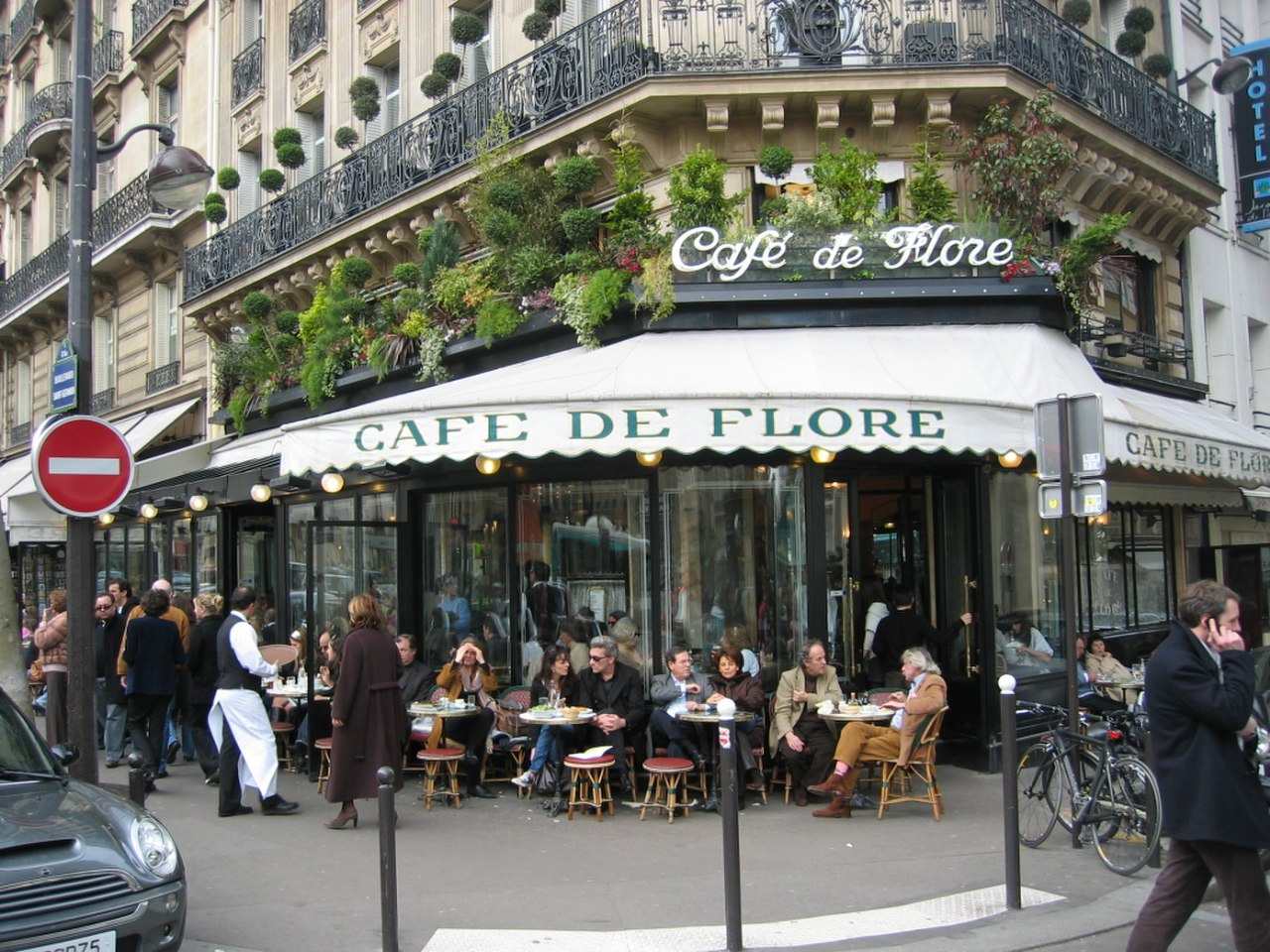
In some European countries, coffeehouses are licensed to serve Alcoholic Drinks, which can include Beer, Wine, and Cocktails. This is particularly common in countries like France and Italy, where coffee and alcohol are often consumed together. The serving of alcoholic drinks in coffeehouses can add to the overall atmosphere and ambiance of the establishment. However, it can also create controversy and debate, particularly in areas where alcohol consumption is restricted. Visit Alcohol in Coffee Shops for more information on this topic.
🚭 Shisha and Hookah in Middle Eastern Cafes
In some Middle Eastern countries, coffeehouses may offer Shisha or Nargile, which is flavored tobacco smoked through a hookah. This is a popular social activity in many Middle Eastern countries, and coffeehouses often provide a comfortable and relaxed atmosphere for patrons to enjoy shisha. However, the serving of shisha in coffeehouses can also be controversial, particularly in areas where tobacco consumption is restricted. For more information on shisha and hookah, visit Shisha and Hookah.
🍩 Doughnut Shops as Casual Coffee Spots
Doughnut shops in Canada and the United States often serve coffee to accompany their doughnuts, and can be classified as casual coffee spots. These shops typically offer a limited selection of coffee drinks, but may also provide a variety of doughnuts and other baked goods. The combination of coffee and doughnuts can be a popular pairing, particularly in the morning or as a quick snack. Visit Doughnut Shops for more information on this topic.
💡 The Evolution of Coffee Shops
The concept of coffee shops has evolved over time, from traditional coffeehouses to modern Coffee Bars. Today, coffee shops can range from small, independent establishments to large chain stores. The evolution of coffee shops has been influenced by changing consumer preferences and advances in technology. For example, the rise of Coffee Roasting and Coffee Brewing has allowed coffee shops to offer high-quality coffee drinks. Visit Evolution of Coffee Shops for more information on this topic.
📊 Business Models of Coffee Shops
Coffee shops can operate under a variety of business models, including Independent establishments, Franchise locations, and Chain Stores. Each business model has its own advantages and disadvantages, and the choice of model can depend on factors like target audience, location, and resources. For example, independent coffee shops may offer more unique and personalized experiences, while chain stores may provide more consistency and convenience. Visit Business Models of Coffee Shops for more information on this topic.
🚀 Future of Coffee Shops
The future of coffee shops is likely to be shaped by changing consumer preferences and advances in technology. For example, the rise of Sustainability and Environmentalism may lead to more eco-friendly coffee shops, while advances in Coffee Roasting and Coffee Brewing may allow for even higher-quality coffee drinks. Additionally, the growth of E-commerce and Delivery Services may change the way coffee shops operate and interact with customers. Visit Future of Coffee Shops for more information on this topic.
Key Facts
- Year
- 1652
- Origin
- London, England
- Category
- Food and Beverage
- Type
- Business and Culture
Frequently Asked Questions
What is a coffee shop?
A coffee shop is an establishment that serves various types of coffee drinks, as well as other beverages and food options. Coffee shops can range from small, independent establishments to large chain stores, and may offer a variety of amenities like Wi-Fi and outlets. For more information, visit Coffee Shop.
What types of coffee drinks are typically served in coffee shops?
Coffee shops typically serve a variety of coffee drinks, including espresso, latte, cappuccino, and iced coffee. Some coffee shops may also offer specialty coffee drinks, like Cold Brew and Pour-Over. For more information on coffee drinks, visit Coffee Drinks.
Do all coffee shops serve food?
No, not all coffee shops serve food. While many coffee shops offer a variety of food options, some may only serve coffee and other beverages. The type and quality of food served can vary greatly depending on the coffee shop and its target audience. For more information on food options in coffee shops, visit Coffee Shop Menu.
Can coffee shops serve alcoholic drinks?
Yes, some coffee shops are licensed to serve alcoholic drinks, particularly in European countries like France and Italy. However, this can vary depending on the location and local laws. For more information on alcohol in coffee shops, visit Alcohol in Coffee Shops.
What is the social aspect of coffee shops?
Coffee shops often serve as social hubs, where people can gather to meet friends, work, or simply enjoy a cup of coffee. The social aspect of coffee shops can be an important part of their appeal, and many establishments strive to create a welcoming and comfortable atmosphere. For more information on the social aspect of coffee shops, visit Social Aspect of Coffee Shops.
What is the future of coffee shops?
The future of coffee shops is likely to be shaped by changing consumer preferences and advances in technology. For example, the rise of sustainability and environmentalism may lead to more eco-friendly coffee shops, while advances in coffee roasting and brewing may allow for even higher-quality coffee drinks. For more information on the future of coffee shops, visit Future of Coffee Shops.
How do coffee shops contribute to the local community?
Coffee shops can contribute to the local community in a variety of ways, such as hosting events and live music, offering Wi-Fi and outlets to remote workers, and sourcing ingredients from local suppliers. For more information on the role of coffee shops in the local community, visit Coffee Shops and Community.
👥 Social Aspect of Coffee Shops
Coffee shops often serve as social hubs, where people can gather to meet friends, work, or simply enjoy a cup of coffee. The social aspect of coffee shops can be an important part of their appeal, and many establishments strive to create a welcoming and comfortable atmosphere. For example, some coffee shops may offer Wi-Fi and Outlets to accommodate remote workers, while others may host Events and Live Music to attract a crowd. Visit Social Aspect of Coffee Shops for more information on this topic.