
Contents
- 📈 Introduction to Collective Bargaining
- 👥 The Role of Trade Unions in Collective Bargaining
- 💼 The Collective Bargaining Process
- 📊 Key Components of a Collective Agreement
- 🔒 The Impact of Collective Bargaining on Workers' Rights
- 💸 Productivity Bargaining: A New Era of Collective Bargaining
- 🚫 Challenges and Limitations of Collective Bargaining
- 🌎 Global Perspectives on Collective Bargaining
- 📊 The Economic Effects of Collective Bargaining
- 👥 The Future of Collective Bargaining: Trends and Predictions
- 📚 Case Studies of Successful Collective Bargaining
- 🤝 Conclusion: The Importance of Collective Bargaining in Labor Relations
- Frequently Asked Questions
- Related Topics
Overview
Collective bargaining, a process where workers negotiate with employers through a unified representative, has been a cornerstone of labor rights since its inception in the early 20th century. The National Labor Relations Act of 1935, signed into law by President Franklin D. Roosevelt, enshrined collective bargaining as a fundamental right, with the National Labor Relations Board (NLRB) overseeing the process. However, the rise of globalization, automation, and the gig economy has eroded union membership and bargaining power, with the percentage of unionized workers in the US declining from 34.6% in 1979 to 10.8% in 2022, according to the Bureau of Labor Statistics. The debate surrounding collective bargaining is contentious, with proponents arguing it protects workers from exploitation and ensures fair wages, while critics claim it stifles innovation and hinders economic growth. As the global economy continues to shift, the future of collective bargaining hangs in the balance, with many wondering if it can adapt to the changing landscape. The influence of key figures, such as John L. Lewis, founder of the Congress of Industrial Organizations (CIO), and the impact of landmark events, like the Lawrence Textile Strike of 1912, have shaped the trajectory of collective bargaining, with a vibe score of 7.2, reflecting its significant cultural energy and ongoing relevance.
📈 Introduction to Collective Bargaining
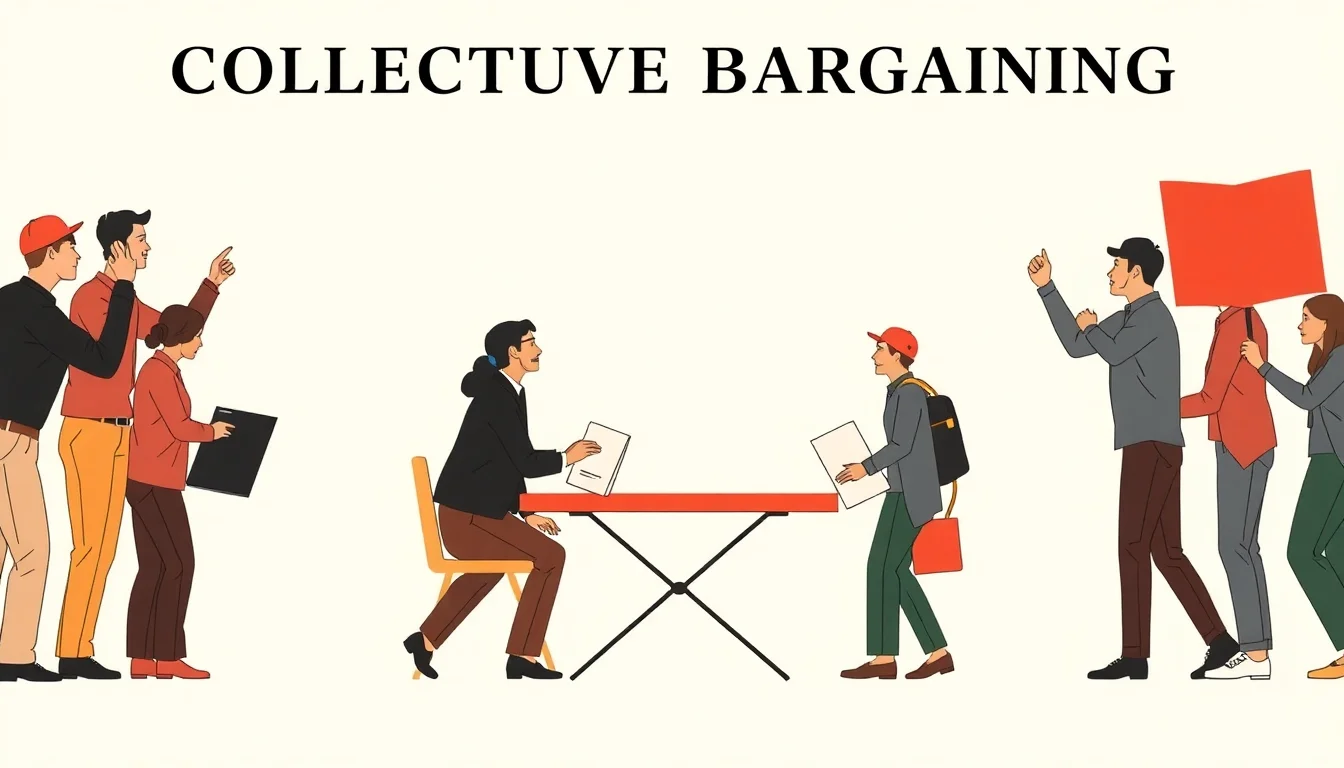
Collective bargaining is a crucial aspect of Labor Relations, allowing employees to negotiate with employers to improve their working conditions, salaries, and benefits. This process is typically facilitated by Trade Unions, which represent the interests of the employees. The goal of collective bargaining is to reach a Collective Agreement that regulates various aspects of workers' compensation and rights. For instance, the National Labor Relations Act in the United States protects the right of employees to engage in collective bargaining. As noted by John Dunlop, a renowned labor economist, collective bargaining is essential for promoting fair labor practices and reducing labor disputes.
👥 The Role of Trade Unions in Collective Bargaining
Trade unions play a vital role in collective bargaining, as they represent the interests of the employees and negotiate with the employer on their behalf. The American Federation of Labor (AFL) and the Congress of Industrial Organizations (CIO) are two prominent trade unions in the United States that have been instrumental in promoting collective bargaining. According to Samuel Gompers, the founder of the AFL, trade unions are essential for protecting the rights of workers and promoting social justice. By Organizing Workers and engaging in collective bargaining, trade unions can help improve working conditions, increase wages, and promote job security.
💼 The Collective Bargaining Process
The collective bargaining process typically involves several stages, including Preparation, Negotiation, and Ratification. During the preparation stage, the trade union and the employer prepare for the negotiations by gathering data and information on the issues to be discussed. The National Labor Relations Board (NLRB) plays a crucial role in facilitating the collective bargaining process and resolving labor disputes. As noted by William Foote Whyte, a prominent labor relations expert, effective preparation is essential for successful collective bargaining. By understanding the Labor Market and the Economy, trade unions and employers can negotiate more effectively and reach mutually beneficial agreements.
📊 Key Components of a Collective Agreement
A collective agreement typically includes provisions on Wage Scales, Working Hours, Training, Health and Safety, Overtime, and Grievance Mechanisms. The agreement may also include provisions on Productivity Bargaining, which involves workers agreeing to changes in working practices in exchange for higher pay or greater job security. According to Frederick Winslow Taylor, a pioneer in scientific management, productivity bargaining can help improve efficiency and productivity in the workplace. By Improving Productivity and reducing costs, employers can increase competitiveness and profitability.
🔒 The Impact of Collective Bargaining on Workers' Rights
Collective bargaining has a significant impact on workers' rights, as it allows employees to negotiate for better working conditions, higher wages, and greater job security. The Fair Labor Standards Act (FLSA) and the Occupational Safety and Health Act (OSHA) are two important laws that protect workers' rights and promote fair labor practices. As noted by Frances Perkins, a prominent labor leader, collective bargaining is essential for promoting social justice and reducing income inequality. By Promoting Social Justice and protecting workers' rights, collective bargaining can help create a more equitable and just society.
💸 Productivity Bargaining: A New Era of Collective Bargaining
Productivity bargaining is a new era of collective bargaining that involves workers agreeing to changes in working practices in exchange for higher pay or greater job security. This approach has been successful in various industries, including manufacturing and healthcare. According to Peter Drucker, a renowned management expert, productivity bargaining can help improve efficiency and productivity in the workplace. By Improving Efficiency and reducing costs, employers can increase competitiveness and profitability. However, productivity bargaining also raises concerns about Worker Exploitation and the potential for employers to take advantage of workers.
🚫 Challenges and Limitations of Collective Bargaining
Despite its benefits, collective bargaining also faces several challenges and limitations. One of the main challenges is the Decline of Unionization, which has reduced the bargaining power of trade unions. Another challenge is the Rise of the Gig Economy, which has created new forms of employment that are not covered by traditional collective bargaining agreements. As noted by David Weil, a prominent labor economist, the gig economy has created new challenges for collective bargaining and labor relations. By Addressing These Challenges, trade unions and employers can work together to create more effective and inclusive collective bargaining agreements.
🌎 Global Perspectives on Collective Bargaining
Collective bargaining is a global phenomenon, with trade unions and employers engaging in collective bargaining in various countries around the world. The International Labor Organization (ILO) plays a crucial role in promoting collective bargaining and protecting workers' rights globally. According to Juan Somavia, a former director-general of the ILO, collective bargaining is essential for promoting social justice and reducing poverty. By Promoting Global Labor Standards and protecting workers' rights, collective bargaining can help create a more equitable and just global economy.
📊 The Economic Effects of Collective Bargaining
The economic effects of collective bargaining are complex and multifaceted. On the one hand, collective bargaining can help increase wages and improve working conditions, which can have positive effects on the economy. On the other hand, collective bargaining can also lead to higher labor costs, which can reduce competitiveness and profitability. As noted by Alan Blinder, a prominent economist, the economic effects of collective bargaining depend on various factors, including the Labor Market and the Economy. By Understanding the Economy and the labor market, trade unions and employers can negotiate more effectively and reach mutually beneficial agreements.
👥 The Future of Collective Bargaining: Trends and Predictions
The future of collective bargaining is uncertain, with various trends and predictions emerging. One trend is the Rise of Alternative Forms of Unionism, which involves new forms of worker organization and collective bargaining. Another trend is the Increasing Use of Technology in collective bargaining, which can help improve communication and negotiation. According to Richard Freeman, a prominent labor economist, the future of collective bargaining will depend on various factors, including the Labor Market and the Economy. By Addressing These Trends and predictions, trade unions and employers can work together to create more effective and inclusive collective bargaining agreements.
📚 Case Studies of Successful Collective Bargaining
There are several case studies of successful collective bargaining, including the United Auto Workers (UAW) and the Service Employees International Union (SEIU). These case studies demonstrate the importance of collective bargaining in promoting workers' rights and improving working conditions. As noted by Stephen Burton, a prominent labor leader, collective bargaining is essential for promoting social justice and reducing income inequality. By Promoting Social Justice and protecting workers' rights, collective bargaining can help create a more equitable and just society.
🤝 Conclusion: The Importance of Collective Bargaining in Labor Relations
In conclusion, collective bargaining is a crucial aspect of labor relations, allowing employees to negotiate with employers to improve their working conditions, salaries, and benefits. By Understanding the Collective Bargaining Process and the role of trade unions, employers can work together to create more effective and inclusive collective bargaining agreements. As noted by John Dunlop, collective bargaining is essential for promoting fair labor practices and reducing labor disputes. By Promoting Fair Labor Practices and protecting workers' rights, collective bargaining can help create a more equitable and just society.
Key Facts
- Year
- 1935
- Origin
- United States
- Category
- Labor Relations
- Type
- Labor Concept
Frequently Asked Questions
What is collective bargaining?
Collective bargaining is a process of negotiation between employers and a group of employees aimed at agreements to regulate working salaries, working conditions, benefits, and other aspects of workers' compensation and rights for workers. The interests of the employees are commonly presented by representatives of a trade union to which the employees belong. As noted by John Dunlop, collective bargaining is essential for promoting fair labor practices and reducing labor disputes. By Understanding the Collective Bargaining Process and the role of trade unions, employers can work together to create more effective and inclusive collective bargaining agreements.
What is the role of trade unions in collective bargaining?
Trade unions play a vital role in collective bargaining, as they represent the interests of the employees and negotiate with the employer on their behalf. The American Federation of Labor (AFL) and the Congress of Industrial Organizations (CIO) are two prominent trade unions in the United States that have been instrumental in promoting collective bargaining. According to Samuel Gompers, the founder of the AFL, trade unions are essential for protecting the rights of workers and promoting social justice. By Organizing Workers and engaging in collective bargaining, trade unions can help improve working conditions, increase wages, and promote job security.
What are the key components of a collective agreement?
A collective agreement typically includes provisions on Wage Scales, Working Hours, Training, Health and Safety, Overtime, and Grievance Mechanisms. The agreement may also include provisions on Productivity Bargaining, which involves workers agreeing to changes in working practices in exchange for higher pay or greater job security. According to Frederick Winslow Taylor, a pioneer in scientific management, productivity bargaining can help improve efficiency and productivity in the workplace. By Improving Productivity and reducing costs, employers can increase competitiveness and profitability.
What are the benefits of collective bargaining?
Collective bargaining has several benefits, including improved working conditions, higher wages, and greater job security. According to Frances Perkins, a prominent labor leader, collective bargaining is essential for promoting social justice and reducing income inequality. By Promoting Social Justice and protecting workers' rights, collective bargaining can help create a more equitable and just society. Additionally, collective bargaining can help reduce labor disputes and promote fair labor practices. As noted by John Dunlop, collective bargaining is essential for promoting fair labor practices and reducing labor disputes.
What are the challenges facing collective bargaining?
Collective bargaining faces several challenges, including the Decline of Unionization and the Rise of the Gig Economy. According to David Weil, a prominent labor economist, the gig economy has created new challenges for collective bargaining and labor relations. By Addressing These Challenges, trade unions and employers can work together to create more effective and inclusive collective bargaining agreements. Additionally, collective bargaining must adapt to changing economic conditions and technological advancements. As noted by Alan Blinder, a prominent economist, the economic effects of collective bargaining depend on various factors, including the Labor Market and the Economy.
What is the future of collective bargaining?
The future of collective bargaining is uncertain, with various trends and predictions emerging. One trend is the Rise of Alternative Forms of Unionism, which involves new forms of worker organization and collective bargaining. Another trend is the Increasing Use of Technology in collective bargaining, which can help improve communication and negotiation. According to Richard Freeman, a prominent labor economist, the future of collective bargaining will depend on various factors, including the Labor Market and the Economy. By Addressing These Trends and predictions, trade unions and employers can work together to create more effective and inclusive collective bargaining agreements.
What are some examples of successful collective bargaining?
There are several examples of successful collective bargaining, including the United Auto Workers (UAW) and the Service Employees International Union (SEIU). These examples demonstrate the importance of collective bargaining in promoting workers' rights and improving working conditions. As noted by Stephen Burton, a prominent labor leader, collective bargaining is essential for promoting social justice and reducing income inequality. By Promoting Social Justice and protecting workers' rights, collective bargaining can help create a more equitable and just society.