
Contents
- 🔦 Introduction to Color Temperature
- 💡 Understanding the Color Temperature Scale
- 🌡️ The Physics Behind Color Temperature
- 🎨 Color Temperature in Art and Design
- 💻 Color Temperature in Digital Displays
- 📸 Color Temperature in Photography
- 🏠 Color Temperature in Interior Design
- 🚀 The Future of Color Temperature Technology
- 🤔 Controversies and Debates in Color Temperature
- 📊 Measuring Color Temperature
- 👥 Color Temperature and Human Perception
- Frequently Asked Questions
- Related Topics
Overview
Color temperature, measured in Kelvin (K), is a crucial aspect of lighting design, influencing our mood, productivity, and overall well-being. The debate surrounding the ideal color temperature, with some advocating for warm white (2700K-3000K) and others for cool white (3500K-5000K), highlights the complexity of this topic. Research by lighting designers like Ingo Maurer and Naoto Fukasawa has shown that color temperature can significantly impact our circadian rhythms and emotional states. For instance, a study by the Lighting Research Center found that a color temperature of 1700K can increase melatonin production, while 6500K can suppress it. The controversy surrounding the use of high-color-temperature lighting in public spaces, such as the 4000K LED lights used in many cities, has sparked concerns about its impact on urban ecosystems. As we move forward, the question remains: how will advancements in lighting technology, such as the development of smart lighting systems, shape our understanding of color temperature and its effects on human experience?
🔦 Introduction to Color Temperature
The concept of color temperature is a fundamental aspect of Lighting Design and has been extensively studied in the field of Physics. Color temperature is defined as the temperature of an idealized opaque, non-reflective body that matches the color of a visible light source. This parameter is crucial in understanding the Color Theory behind light and its applications in various fields. The color temperature scale is used to describe the color of light emitted by a light source, which may not necessarily be at the same temperature as the source itself. For instance, a Light Bulb may have a color temperature of 5000K, but its actual temperature may be much higher. As we explore the world of color temperature, we will delve into its History of Lighting and its significance in modern Design and Technology.
💡 Understanding the Color Temperature Scale
The color temperature scale is a complex system that describes the color of light emitted by a source. It is measured in Kelvin (K) and ranges from approximately 1000K to 20,000K. The scale is divided into three main categories: warm white (2700K-3000K), cool white (3500K-4100K), and daylight (5000K-6500K). Each category has its unique characteristics and applications in Interior Design and Photography. For example, warm white light is often used in Residential Lighting to create a cozy atmosphere, while cool white light is used in Commercial Lighting to enhance productivity. As we explore the color temperature scale, we will examine its impact on Human Perception and Color Psychology.
🌡️ The Physics Behind Color Temperature
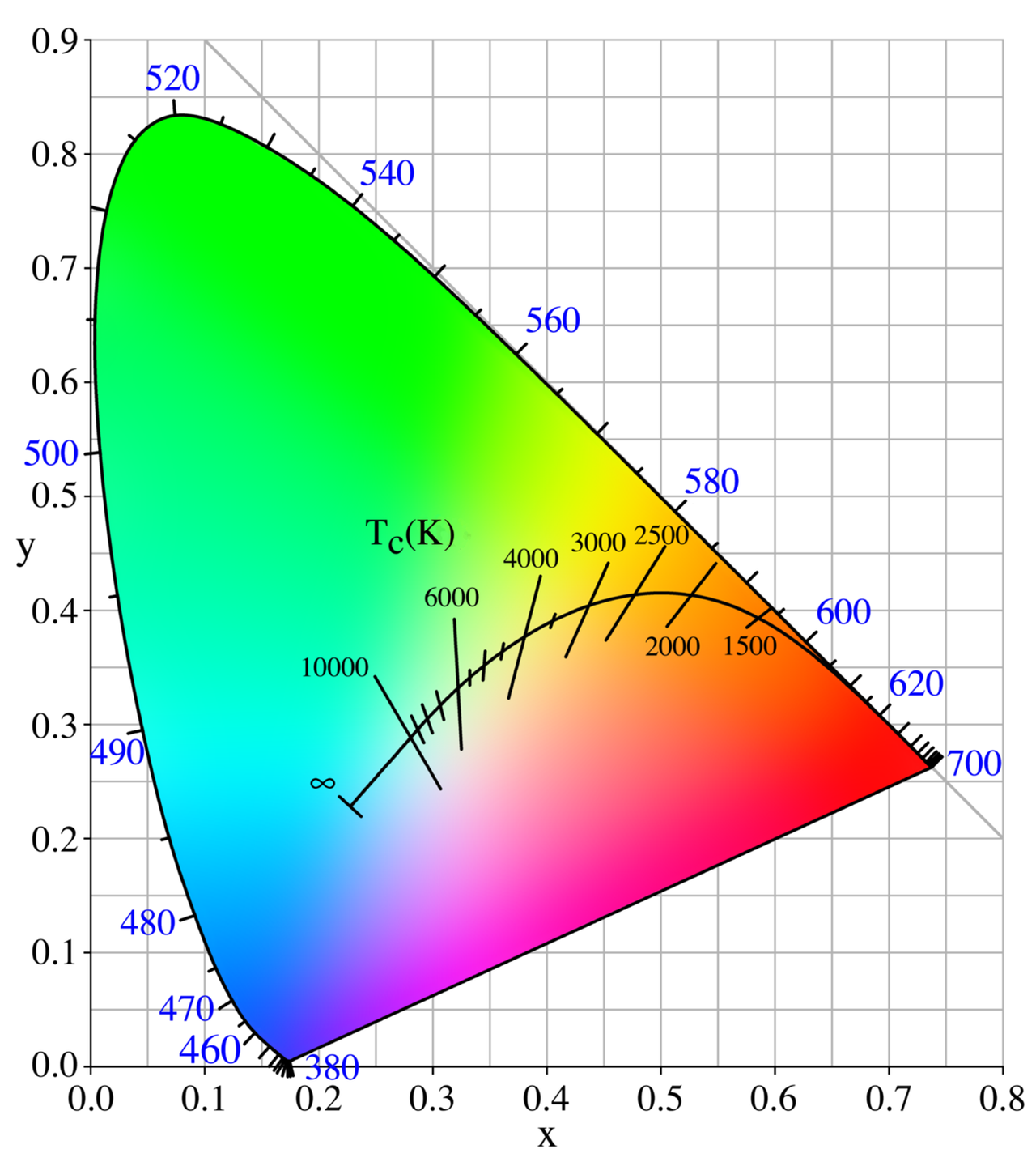
The physics behind color temperature is rooted in the concept of Black Body Radiation. When an object is heated, it emits light across a wide range of wavelengths. The color of the light emitted depends on the temperature of the object. As the temperature increases, the peak wavelength of the light shifts towards the blue end of the spectrum. This phenomenon is known as Wien's displacement law. The color temperature of a light source is determined by comparing its spectral power distribution to that of a black body at a specific temperature. This process involves complex Mathematical Models and Spectroscopy techniques. By understanding the physics behind color temperature, we can better appreciate its applications in Engineering and Technology.
🎨 Color Temperature in Art and Design
Color temperature has a significant impact on Art and Design. Artists and designers use color temperature to create mood, atmosphere, and emotional responses in their work. Warm colors are often associated with feelings of comfort, relaxation, and warmth, while cool colors are associated with feelings of calmness, serenity, and focus. In Graphic Design, color temperature is used to create visual hierarchy, contrast, and balance. For instance, a Brand Identity may use a specific color temperature to convey its values and personality. As we explore the role of color temperature in art and design, we will examine its relationship with Color Theory and Design Principles.
💻 Color Temperature in Digital Displays
In the digital age, color temperature plays a crucial role in Digital Displays. The color temperature of a display device, such as a Computer Monitor or a TV Set, can significantly impact the viewing experience. A display with a high color temperature can produce a bluish tint, while a display with a low color temperature can produce a reddish tint. Manufacturers use various Display Technologies to achieve optimal color temperature and Color Accuracy. For example, OLED Displays are known for their high color accuracy and wide color gamut. As we explore the world of digital displays, we will examine the impact of color temperature on User Experience and Visual Performance.
📸 Color Temperature in Photography
In Photography, color temperature is a critical factor in capturing high-quality images. The color temperature of the light source can significantly impact the color balance and overall aesthetic of the image. Photographers use various Lighting Techniques and Color Correction Tools to adjust the color temperature of their images. For instance, a photographer may use a Color Temperature Meter to measure the color temperature of the light source and adjust their camera settings accordingly. As we explore the role of color temperature in photography, we will examine its relationship with Image Processing and Photographic Techniques.
🏠 Color Temperature in Interior Design
In Interior Design, color temperature is used to create a specific atmosphere and mood in a space. Warm colors are often used in Residential Design to create a cozy and inviting atmosphere, while cool colors are used in Commercial Design to enhance productivity and focus. Designers use various Lighting Fixtures and Color Schemes to achieve the desired color temperature and ambiance. For example, a designer may use Table Lamps with warm white light to create a cozy reading nook. As we explore the role of color temperature in interior design, we will examine its relationship with Human Factors and Space Planning.
🚀 The Future of Color Temperature Technology
The future of color temperature technology is exciting and rapidly evolving. With the advent of LED Lighting and Smart Lighting, we can expect to see more efficient, sustainable, and intelligent lighting solutions. Researchers are exploring new materials and technologies to create Tunable Lighting systems that can adjust their color temperature in real-time. For instance, Quantum Dot Technology is being used to create ultra-efficient and color-accurate displays. As we look to the future, we will examine the potential applications of color temperature technology in IoT Devices and Smart Cities.
🤔 Controversies and Debates in Color Temperature
Despite its importance, color temperature is not without controversy. Some argue that the current color temperature scale is limited and does not accurately represent the complexities of human perception. Others argue that the emphasis on color temperature can lead to an over-reliance on technology and a neglect of traditional Lighting Design principles. As we explore the debates surrounding color temperature, we will examine the History of Color Temperature and its impact on Design and Technology.
📊 Measuring Color Temperature
Measuring color temperature is a complex process that involves various Spectroscopy Techniques and Mathematical Models. The most common method of measuring color temperature is by using a Color Temperature Meter. This device measures the spectral power distribution of a light source and calculates its color temperature. However, the accuracy of these measurements can be affected by various factors, such as the Ambient Light and the Surface Finish of the object being measured. As we explore the methods of measuring color temperature, we will examine the limitations and challenges of these techniques.
👥 Color Temperature and Human Perception
Color temperature has a significant impact on human perception and behavior. Research has shown that different color temperatures can affect our mood, cognitive function, and even our physical health. For example, exposure to Blue Light in the evening can suppress the production of melatonin, leading to sleep disorders. As we explore the relationship between color temperature and human perception, we will examine the latest research in Color Psychology and Human Factors.
Key Facts
- Year
- 2022
- Origin
- Vibepedia
- Category
- Design and Technology
- Type
- Concept
Frequently Asked Questions
What is color temperature?
Color temperature is a parameter that describes the color of a visible light source by comparing it to the color of light emitted by an idealized opaque, non-reflective body. It is measured in Kelvin (K) and ranges from approximately 1000K to 20,000K. Color temperature is used to describe the color of light emitted by a light source, which may not necessarily be at the same temperature as the source itself.
How does color temperature affect human perception?
Color temperature can significantly impact human perception and behavior. Different color temperatures can affect our mood, cognitive function, and even our physical health. For example, exposure to blue light in the evening can suppress the production of melatonin, leading to sleep disorders. Warm colors are often associated with feelings of comfort, relaxation, and warmth, while cool colors are associated with feelings of calmness, serenity, and focus.
What are the different types of color temperature?
The color temperature scale is divided into three main categories: warm white (2700K-3000K), cool white (3500K-4100K), and daylight (5000K-6500K). Each category has its unique characteristics and applications in interior design and photography. Warm white light is often used in residential lighting to create a cozy atmosphere, while cool white light is used in commercial lighting to enhance productivity and focus.
How is color temperature measured?
Color temperature is measured using a color temperature meter, which calculates the spectral power distribution of a light source and determines its color temperature. However, the accuracy of these measurements can be affected by various factors, such as the ambient light and the surface finish of the object being measured.
What are the applications of color temperature technology?
Color temperature technology has a wide range of applications in interior design, photography, and display technology. It is used to create a specific atmosphere and mood in a space, to capture high-quality images, and to enhance the viewing experience of digital displays. The future of color temperature technology is exciting and rapidly evolving, with the advent of LED lighting and smart lighting.
What are the limitations of color temperature technology?
Despite its importance, color temperature technology is not without limitations. The current color temperature scale is limited and does not accurately represent the complexities of human perception. The emphasis on color temperature can lead to an over-reliance on technology and a neglect of traditional lighting design principles. Additionally, the accuracy of color temperature measurements can be affected by various factors, such as the ambient light and the surface finish of the object being measured.
How does color temperature affect the environment?
Color temperature can have a significant impact on the environment. The production and disposal of lighting products can contribute to greenhouse gas emissions and waste management issues. Additionally, the energy consumption of lighting products can contribute to climate change. However, the use of energy-efficient lighting products, such as LED lighting, can help reduce the environmental impact of color temperature technology.