
Overview
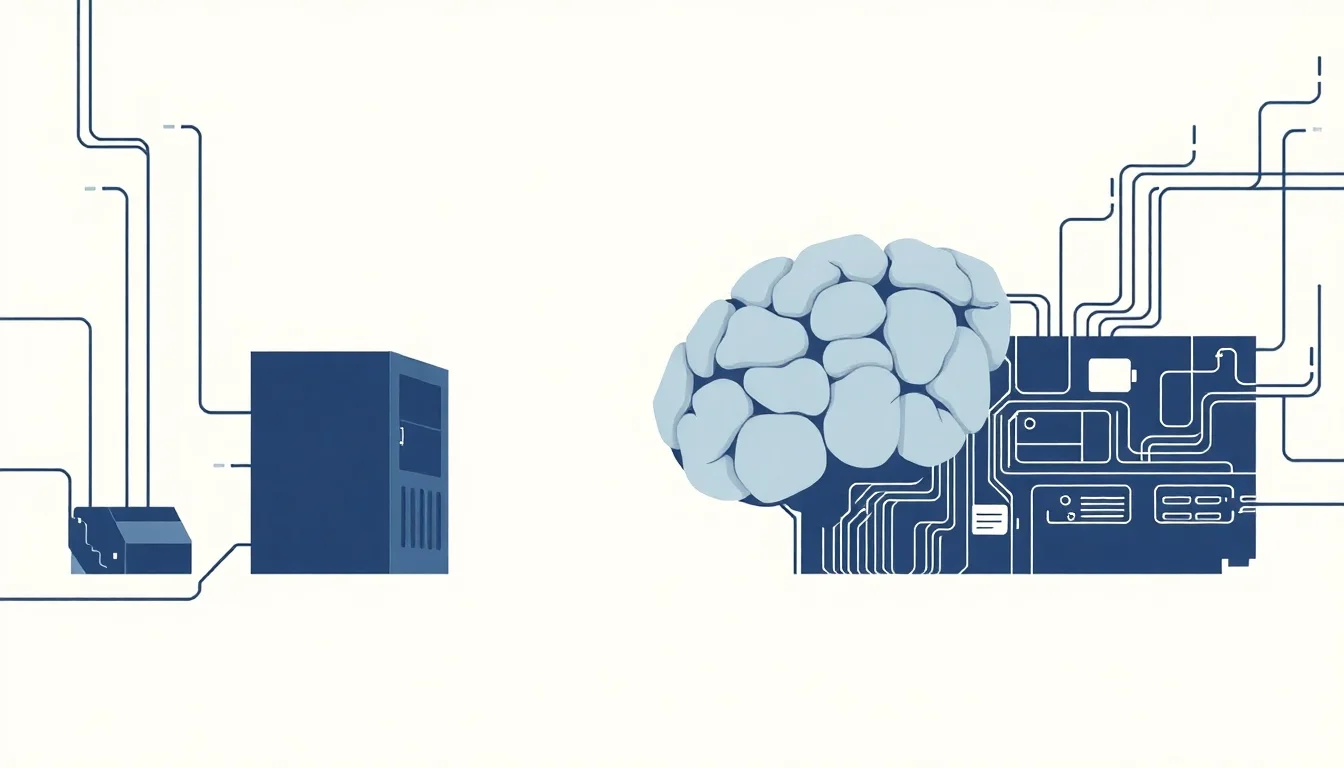
The control unit, a crucial component of modern computing, has a rich history dating back to the 1940s with the development of the Electronic Numerical Integrator and Computer (ENIAC). This brain of the computer retrieves and decodes instructions, manages data transfer, and oversees the execution of tasks. The control unit's evolution is marked by significant advancements, including the introduction of the microprocessor in the 1970s, which integrated the control unit and other components onto a single chip of silicon. Today, control units are found in everything from smartphones to supercomputers, with ongoing research focused on improving performance, reducing power consumption, and enhancing security. As computing continues to advance, the control unit remains a vital piece of technology, with potential future developments including the integration of artificial intelligence and quantum computing. With a vibe score of 8, indicating a high level of cultural and technological significance, the control unit is a topic of interest for both historians and futurists, sparking debates about the ethics of AI integration and the potential for quantum computing to revolutionize the field.
Key Facts
- Year
- 1946
- Origin
- University of Pennsylvania, USA
- Category
- Computer Science
- Type
- Technical Concept