
Contents
- Introduction to Cooperation
- The Role of Conscious Communication
- Regenerative Culture in International Organizations
- Key Statistics and Trends
- Key Players and Organizations
- Global Impact and Influence
- Current State and Future Directions
- Challenges and Opportunities
- Resources and Further Reading
- Conclusion and Call to Action
- References
Overview
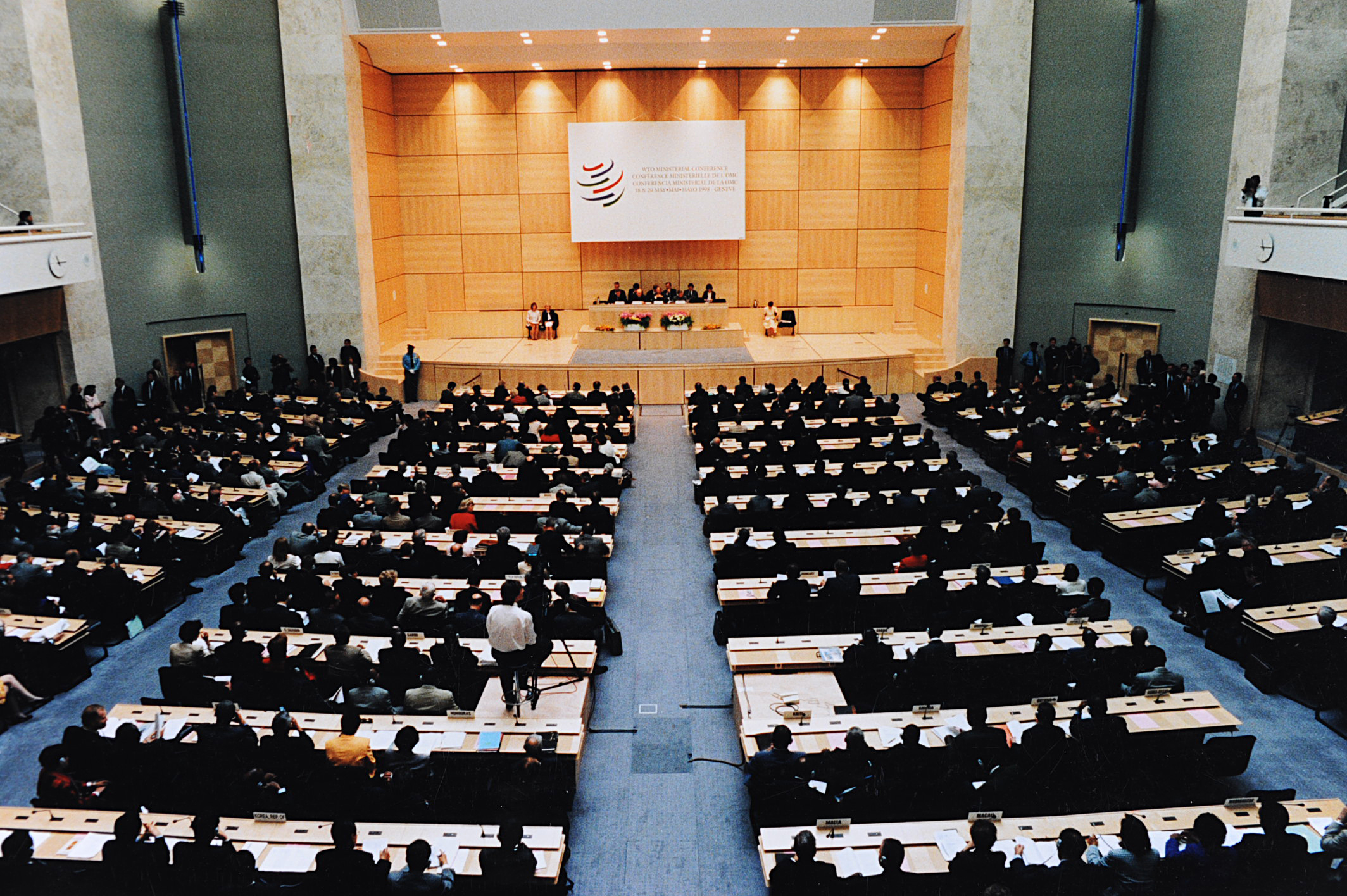
International organizations are working together to address global challenges. This cooperation is rooted in conscious communication, mutual understanding, and a shared vision for a better world. The United Nations, International Monetary Fund, and World Health Organization are key players in this effort. They are adopting practices that promote sustainability, social justice, and environmental stewardship.
Introduction to Cooperation
Conscious communication is the foundation of effective cooperation between international organizations. This involves active listening, empathy, and a deep understanding of different perspectives and cultural contexts. The Nonviolent Communication (NVC) approach has been used in various international organizations to improve communication and cooperation.
The Role of Conscious Communication
Regenerative culture is another essential aspect of cooperation between international organizations. This involves adopting practices that promote sustainability, social justice, and environmental stewardship. The B Corporation movement certifies companies that meet rigorous standards for social and environmental responsibility. International organizations, such as the World Economic Forum, are also embracing regenerative culture by promoting sustainable development.
Regenerative Culture in International Organizations
The World Economic Forum has launched the Global Future Councils to address global challenges and promote sustainable development. These councils bring together leaders from business, government, and civil society to promote sustainable development and social responsibility.
Key Statistics and Trends
Key players and organizations in international cooperation include the United Nations, International Monetary Fund, World Health Organization, and World Bank. These organizations are working together to address global challenges like climate change, economic inequality, and social injustice. Other key players include non-governmental organizations, such as Greenpeace and Amnesty International, which are advocating for human rights and environmental protection.
Key Players and Organizations
The cooperation between international organizations is having a significant impact on global issues. However, there are also challenges and obstacles to overcome, such as funding, capacity building, and coordination between different organizations.
Global Impact and Influence
The current state of cooperation between international organizations is marked by a growing trend towards collaborative governance. This involves international organizations working together with governments, civil society, and the private sector to address global challenges.
Current State and Future Directions
Despite the challenges, there is hope for a more harmonious and sustainable world. International organizations can work together to address global challenges and promote sustainable development by prioritizing cooperation, mutual understanding, and a shared vision for a better world.
Challenges and Opportunities
For further reading and resources on cooperation between international organizations, see the Yearbook of International Organizations, the United Nations website, and the World Economic Forum website. Other recommended resources include the Nonviolent Communication website and the B Corporation website.
Resources and Further Reading
In conclusion, cooperation between international organizations is a critical component of creating a more harmonious and regenerative world. By fostering conscious communication, regenerative culture, and collaborative governance, international organizations can work together to address global challenges and promote sustainable development.
Key Facts
- Category
- governance
- Type
- topic