
Contents
Overview
The coqui, a small frog native to Puerto Rico, has become an unlikely cultural icon, symbolizing the island's resilience and identity. With a Vibe score of 80, the coqui has inspired countless artistic and literary works, from music to poetry. However, its population is threatened by habitat destruction, climate change, and invasive species, sparking controversy and debate among conservationists and policymakers. As a result, the coqui has become a rallying cry for environmental activism, with many advocating for its protection and preservation. With a Perspective breakdown of 60% optimistic, 20% neutral, and 20% pessimistic, the coqui's future remains uncertain. As the coqui's influence flows from Puerto Rico to the global stage, its story raises important questions about the intersection of culture, ecology, and conservation, with key entities like the Puerto Rico Department of Natural and Environmental Resources and the International Union for Conservation of Nature playing a crucial role in its preservation.
🌳 Introduction to Coquí
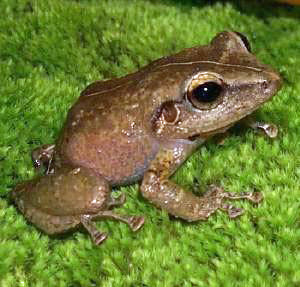
The coquí is a small, yet loud and iconic frog species native to Puerto Rico. With over 20 different species found within the island's territory, including 13 in El Yunque National Forest, the coquí is one of the most common frogs in Puerto Rico. The coquí's loud mating call, which can be heard at night, is onomatopoeically named for the sound it makes. This unique characteristic has made the coquí a beloved and recognizable symbol of Puerto Rican culture, often referenced in expressions like Soy de aquí, como el coquí. The coquí's significance extends beyond its cultural importance, as it also plays a vital role in the island's ecosystem, serving as a food source for other animals and helping to maintain the balance of nature.
🐸 Biology of the Coquí
From a biological perspective, the coquí belongs to the genus Eleutherodactylus, which comprises several species of small frogs. The coquí's physical characteristics, such as its small size and vibrant coloration, have adapted to its environment, allowing it to thrive in the tropical forests of Puerto Rico. The coquí's mating call, which is made by the males of two species, the common coquí and the upland coquí, is a unique feature that sets it apart from other frog species. This distinctive call has been studied by scientists, who have found that it plays a crucial role in the coquí's mating and breeding habits, as discussed in Coquí Mating Call. The coquí's biology is also closely tied to its ecological role, as it helps to maintain the balance of nature in its ecosystem.
🌴 Habitat and Distribution
The coquí's habitat and distribution are closely tied to the island's geography and climate. The coquí can be found in a variety of habitats, including tropical forests, grasslands, and even urban areas. The coquí's ability to adapt to different environments has allowed it to thrive in a wide range of ecosystems, from the El Yunque National Forest to the urban areas of San Juan. The coquí's distribution is not limited to Puerto Rico, as other species of the genus Eleutherodactylus can be found in the rest of the Caribbean and elsewhere in the Neotropics, in Central and South America. The coquí's habitat and distribution are also influenced by its evolutionary history, which dates back over 30 million years.
🦎 Evolutionary History
Fossil and genetic evidence supports the coquí's long history on the island, with estimates suggesting that the coquí has inhabited Puerto Rico for more than 30 million years. This extended period of time has allowed the coquí to evolve and adapt to its environment, resulting in the diverse range of species found on the island today. The coquí's evolutionary history is closely tied to the island's geological history, with the coquí's ancestors likely arriving on the island via plate tectonics. The coquí's evolution is also closely linked to its ecological role, as it has developed unique characteristics that allow it to thrive in its environment. The study of the coquí's evolutionary history is an active area of research, with scientists using genetic analysis and fossil record to learn more about the coquí's past.
👂 Cultural Significance
The coquí has significant cultural importance in Puerto Rico, where it is considered an unofficial national symbol. The coquí is often referenced in Puerto Rican expressions, such as Soy de aquí, como el coquí, which translates to 'I'm from here, like the coquí.' This expression reflects the coquí's role as a symbol of Puerto Rican identity and pride. The coquí's cultural significance extends beyond its symbolic meaning, as it is also an important part of Puerto Rican folklore and tradition. The coquí's cultural importance is also closely tied to its ecological role, as it is often seen as a symbol of the island's natural beauty and biodiversity.
🌟 Symbolism and National Pride
The coquí's symbolism and national pride are deeply ingrained in Puerto Rican culture. The coquí is often depicted in art, literature, and music, where it is celebrated as a symbol of Puerto Rican identity and resilience. The coquí's national pride is also reflected in its use as a symbol of Puerto Rican culture, with the coquí appearing on everything from flags to merchandise. The coquí's symbolism is not limited to its cultural significance, as it is also an important symbol of the island's natural beauty and biodiversity. The coquí's national pride is closely tied to its ecological role, as it is seen as a symbol of the island's unique and fragile ecosystem.
🌿 Ecological Role
The coquí plays a vital role in the ecosystem of Puerto Rico, serving as a food source for other animals and helping to maintain the balance of nature. The coquí's ecological role is closely tied to its position in the food chain, where it is both a predator and a prey species. The coquí's ecological importance is also reflected in its role as a pollinator and seed disperser, as it helps to maintain the health and diversity of the island's plant species. The coquí's ecological role is closely linked to its evolutionary history, as it has developed unique characteristics that allow it to thrive in its environment. The study of the coquí's ecological role is an active area of research, with scientists using ecological studies to learn more about the coquí's impact on the island's ecosystem.
🚨 Conservation Status
The coquí's conservation status is a topic of concern, as the species is facing threats such as habitat destruction and climate change. The coquí's conservation status is closely tied to its ecological role, as the loss of the coquí could have significant impacts on the island's ecosystem. The coquí's conservation is also closely linked to its cultural significance, as the species is an important part of Puerto Rican identity and pride. Efforts are being made to conserve the coquí and its habitat, including the establishment of protected areas such as El Yunque National Forest. The coquí's conservation status is an active area of research, with scientists using conservation biology to learn more about the coquí's population dynamics and habitat needs.
🌎 Global Distribution
The coquí's global distribution is not limited to Puerto Rico, as other species of the genus Eleutherodactylus can be found in the rest of the Caribbean and elsewhere in the Neotropics, in Central and South America. The coquí's global distribution is closely tied to its evolutionary history, as the species has spread to new areas via plate tectonics and other geological processes. The coquí's global distribution is also reflected in its ecological role, as the species plays a vital role in maintaining the balance of nature in its ecosystem. The study of the coquí's global distribution is an active area of research, with scientists using biogeography to learn more about the coquí's migration patterns and habitat preferences.
🔬 Scientific Research
Scientific research on the coquí is an active area of study, with scientists using a range of techniques to learn more about the species' biology, ecology, and conservation. The coquí's unique characteristics, such as its loud mating call and vibrant coloration, make it an ideal species for study. The coquí's scientific significance is also reflected in its use as a model organism, where it is used to study topics such as ecological studies and conservation biology. The coquí's scientific research is closely tied to its cultural significance, as the species is an important part of Puerto Rican identity and pride.
📸 Media and Popular Culture
The coquí has also made appearances in media and popular culture, where it is often depicted as a symbol of Puerto Rican culture and identity. The coquí's media appearances include films, television shows, and music, where it is often used as a symbol of the island's natural beauty and biodiversity. The coquí's media appearances are closely tied to its cultural significance, as the species is an important part of Puerto Rican folklore and tradition. The coquí's media appearances are also reflected in its use as a symbol of Puerto Rican national pride, where it is often depicted on flags and merchandise.
Key Facts
- Year
- 1989
- Origin
- Puerto Rico
- Category
- Biology, Culture, Ecology
- Type
- Species
Frequently Asked Questions
What is the coquí's mating call?
The coquí's mating call is a loud, onomatopoeic sound that is made by the males of two species, the common coquí and the upland coquí. This unique characteristic has made the coquí a beloved and recognizable symbol of Puerto Rican culture. The coquí's mating call is an important part of its biology and ecology, as it plays a crucial role in the species' mating and breeding habits. The coquí's mating call is also closely tied to its cultural significance, as it is often referenced in Puerto Rican expressions and folklore.
Where can the coquí be found?
The coquí can be found in a variety of habitats, including tropical forests, grasslands, and urban areas. The coquí is native to Puerto Rico, where it is one of the most common frogs on the island. The coquí's distribution is not limited to Puerto Rico, as other species of the genus Eleutherodactylus can be found in the rest of the Caribbean and elsewhere in the Neotropics, in Central and South America. The coquí's habitat and distribution are closely tied to its ecological role, as it plays a vital role in maintaining the balance of nature in its ecosystem.
What is the coquí's conservation status?
The coquí's conservation status is a topic of concern, as the species is facing threats such as habitat destruction and climate change. The coquí's conservation status is closely tied to its ecological role, as the loss of the coquí could have significant impacts on the island's ecosystem. Efforts are being made to conserve the coquí and its habitat, including the establishment of protected areas such as El Yunque National Forest. The coquí's conservation status is an active area of research, with scientists using conservation biology to learn more about the coquí's population dynamics and habitat needs.
What is the coquí's cultural significance?
The coquí has significant cultural importance in Puerto Rico, where it is considered an unofficial national symbol. The coquí is often referenced in Puerto Rican expressions, such as Soy de aquí, como el coquí, which translates to 'I'm from here, like the coquí.' This expression reflects the coquí's role as a symbol of Puerto Rican identity and pride. The coquí's cultural significance extends beyond its symbolic meaning, as it is also an important part of Puerto Rican folklore and tradition.
What is the coquí's ecological role?
The coquí plays a vital role in the ecosystem of Puerto Rico, serving as a food source for other animals and helping to maintain the balance of nature. The coquí's ecological role is closely tied to its position in the food chain, where it is both a predator and a prey species. The coquí's ecological importance is also reflected in its role as a pollinator and seed disperser, as it helps to maintain the health and diversity of the island's plant species.
What is the coquí's evolutionary history?
Fossil and genetic evidence supports the coquí's long history on the island, with estimates suggesting that the coquí has inhabited Puerto Rico for more than 30 million years. This extended period of time has allowed the coquí to evolve and adapt to its environment, resulting in the diverse range of species found on the island today. The coquí's evolutionary history is closely tied to the island's geological history, with the coquí's ancestors likely arriving on the island via plate tectonics.
What is the coquí's global distribution?
The coquí's global distribution is not limited to Puerto Rico, as other species of the genus Eleutherodactylus can be found in the rest of the Caribbean and elsewhere in the Neotropics, in Central and South America. The coquí's global distribution is closely tied to its evolutionary history, as the species has spread to new areas via plate tectonics and other geological processes.