
Contents
Overview
Coraline, written by Neil Gaiman and published in 2002, is a dark fantasy novella that tells the story of a young girl who discovers a secret world behind a hidden door. With a vibe rating of 8, this haunting tale has captivated readers of all ages with its eerie atmosphere and themes of identity, family, and the power of imagination. The story follows Coraline Jones, an 11-year-old girl who feels neglected by her parents, as she navigates a mysterious world that is similar yet disturbingly different from her own. As Coraline delves deeper into this alternate reality, she must confront the dark forces that threaten her family and her own sense of self. With its unique blend of horror, fantasy, and adventure, Coraline has become a modern classic, inspiring numerous adaptations, including a stop-motion animated film in 2009. The novella's exploration of the human psyche and the blurred lines between reality and fantasy have made it a staple of contemporary literature, with a controversy spectrum of 6, reflecting the debates surrounding its suitability for young readers.
📚 Introduction to Coraline
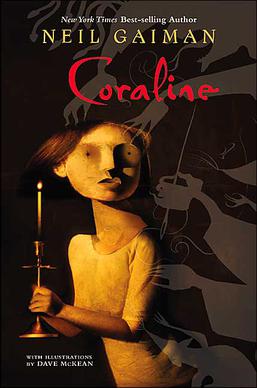
Coraline, written by Neil Gaiman, is a 2002 British fantasy horror children's novella that has captivated readers with its haunting tale of a young girl's journey. The story follows Coraline Jones, a curious and adventurous girl who discovers a secret world behind a hidden door. This world is similar to her own, yet disturbingly different, and Coraline must use her wit and courage to survive. As a work of fantasy literature, Coraline explores themes of identity, family, and the power of imagination. The novella has been praised for its unique blend of horror and fantasy elements, making it a standout in the children's literature genre.
👧 The Protagonist's Journey
The protagonist, Coraline Jones, is a complex and relatable character who embodies the spirit of childhood curiosity and determination. Her journey is a metaphor for the challenges and struggles that children face as they navigate the complexities of growing up. Through Coraline's experiences, Gaiman explores themes of identity, family, and the power of imagination, making the story a compelling and thought-provoking read. As a character, Coraline has been compared to other strong female protagonists in literature, such as Alice from Lewis Carroll's classic tale. The character of Coraline has also been influenced by fairy tales and mythology, adding depth and complexity to the story.
📝 Writing and Publication
Gaiman started writing Coraline in 1990, and the novella was published in 2002 by Bloomsbury and HarperCollins. The writing process was a long and laborious one, with Gaiman drawing inspiration from his own childhood experiences and interests. The novella was initially intended for a younger audience, but its themes and complexity have made it a favorite among readers of all ages. As a work of fantasy literature, Coraline has been influenced by the works of J.R.R. Tolkien and C.S. Lewis, among others. The novella has also been compared to other works of horror fiction, such as the stories of H.P. Lovecraft.
🏆 Awards and Recognition
Coraline has received widespread critical acclaim and has been awarded numerous prestigious awards, including the 2003 Hugo Award for Best Novella, the 2003 Nebula Award for Best Novella, and the 2002 Bram Stoker Award for Best Work for Young Readers. The novella has also been ranked #82 in The Guardian's list of 100 Best Books of the 21st Century. These accolades are a testament to the novella's enduring popularity and its impact on the literary world. As a work of children's literature, Coraline has been recognized for its unique blend of horror and fantasy elements, making it a standout in the genre. The novella has also been praised for its exploration of themes such as identity and family.
📰 Critical Reception
The critical reception of Coraline has been overwhelmingly positive, with reviewers praising the novella's unique blend of horror and fantasy elements. The story has been described as a 'haunting tale' that explores the complexities of childhood and the power of imagination. Reviewers have also praised Gaiman's writing style, which is both accessible and engaging. As a work of literature, Coraline has been compared to other classic tales of fantasy literature, such as The Lion, the Witch and the Wardrobe by C.S. Lewis. The novella has also been influenced by the works of fairy tales and mythology, adding depth and complexity to the story.
🎥 Film Adaptation
In 2009, Coraline was adapted as a stop-motion animated film, directed by Henry Selick under the same name. The film was a critical and commercial success, grossing over $125 million worldwide. The film's success can be attributed to its faithful adaptation of the novella, as well as its unique visual style and engaging storyline. As a work of film, the adaptation of Coraline has been praised for its use of stop-motion animation, which brings the story to life in a unique and captivating way. The film has also been compared to other works of animation, such as the films of Tim Burton.
👻 Themes and Symbolism
The themes and symbolism in Coraline are complex and multifaceted, making the story a compelling and thought-provoking read. The novella explores themes of identity, family, and the power of imagination, as well as the dangers of curiosity and the importance of bravery. The story also features a range of symbolic elements, including the hidden door, the other mother, and the cat. As a work of literature, Coraline has been praised for its use of symbolism and themes, which add depth and complexity to the story. The novella has also been influenced by the works of fairy tales and mythology, adding depth and complexity to the story.
📊 Cultural Impact
Coraline has had a significant cultural impact, inspiring a range of adaptations and interpretations. The novella has been translated into numerous languages and has sold millions of copies worldwide. The story has also been adapted into a range of formats, including film, stage play, and graphic novel. As a work of literature, Coraline has been recognized for its unique blend of horror and fantasy elements, making it a standout in the children's literature genre. The novella has also been praised for its exploration of themes such as identity and family.
🤝 Influence and Legacy
Coraline's influence and legacy can be seen in a range of areas, from literature to film and beyond. The novella has inspired a new generation of writers and artists, and its themes and symbolism continue to resonate with readers and audiences around the world. As a work of literature, Coraline has been praised for its unique blend of horror and fantasy elements, making it a standout in the children's literature genre. The novella has also been compared to other classic tales of fantasy literature, such as The Lion, the Witch and the Wardrobe by C.S. Lewis.
📚 Conclusion and Further Reading
In conclusion, Coraline is a haunting tale of a young girl's journey that has captivated readers with its unique blend of horror and fantasy elements. The novella has been praised for its exploration of themes such as identity and family, as well as its use of symbolism and themes. As a work of literature, Coraline has been recognized for its unique blend of horror and fantasy elements, making it a standout in the children's literature genre. For further reading, readers may be interested in exploring other works by Neil Gaiman, such as The Graveyard Book or American Gods.
Key Facts
- Year
- 2002
- Origin
- United Kingdom
- Category
- Literature
- Type
- Book
Frequently Asked Questions
What is Coraline about?
Coraline is a novella about a young girl who discovers a secret world behind a hidden door. The story explores themes of identity, family, and the power of imagination, as well as the dangers of curiosity and the importance of bravery. As a work of literature, Coraline has been praised for its unique blend of horror and fantasy elements, making it a standout in the children's literature genre. The novella has been compared to other classic tales of fantasy literature, such as The Lion, the Witch and the Wardrobe by C.S. Lewis.
Who wrote Coraline?
Coraline was written by Neil Gaiman, a British author known for his work in the fantasy and horror genres. Gaiman started writing Coraline in 1990, and the novella was published in 2002 by Bloomsbury and HarperCollins. As a work of literature, Coraline has been praised for its unique blend of horror and fantasy elements, making it a standout in the children's literature genre. The novella has also been influenced by the works of fairy tales and mythology, adding depth and complexity to the story.
What awards has Coraline won?
Coraline has won numerous awards, including the 2003 Hugo Award for Best Novella, the 2003 Nebula Award for Best Novella, and the 2002 Bram Stoker Award for Best Work for Young Readers. The novella has also been ranked #82 in The Guardian's list of 100 Best Books of the 21st Century. As a work of literature, Coraline has been recognized for its unique blend of horror and fantasy elements, making it a standout in the children's literature genre. The novella has also been praised for its exploration of themes such as identity and family.
Is Coraline suitable for children?
While Coraline is classified as a children's novella, its themes and content may not be suitable for all children. The story deals with mature themes such as identity, family, and the power of imagination, as well as some scary and disturbing elements. As a work of literature, Coraline has been praised for its unique blend of horror and fantasy elements, making it a standout in the children's literature genre. However, parental discretion is advised, and the novella may be more suitable for older children and young adults. The novella has been compared to other works of horror fiction, such as the stories of H.P. Lovecraft.
What is the significance of the hidden door in Coraline?
The hidden door in Coraline is a symbolic element that represents the threshold between the real world and the secret world that Coraline discovers. The door serves as a portal to a new and unfamiliar world, and Coraline's decision to cross the threshold marks a turning point in her journey. As a work of literature, Coraline has been praised for its use of symbolism and themes, which add depth and complexity to the story. The hidden door has been compared to other symbolic elements in literature, such as the wardrobe in The Lion, the Witch and the Wardrobe by C.S. Lewis.
How does Coraline relate to other works of fantasy literature?
Coraline is part of a broader tradition of fantasy literature that explores themes of identity, family, and the power of imagination. The novella has been compared to other classic works of fantasy literature, such as The Lion, the Witch and the Wardrobe by C.S. Lewis and The Chronicles of Narnia by C.S. Lewis. As a work of literature, Coraline has been praised for its unique blend of horror and fantasy elements, making it a standout in the children's literature genre. The novella has also been influenced by the works of fairy tales and mythology, adding depth and complexity to the story.
What is the cultural impact of Coraline?
Coraline has had a significant cultural impact, inspiring a range of adaptations and interpretations. The novella has been translated into numerous languages and has sold millions of copies worldwide. The story has also been adapted into a range of formats, including film, stage play, and graphic novel. As a work of literature, Coraline has been recognized for its unique blend of horror and fantasy elements, making it a standout in the children's literature genre. The novella has also been praised for its exploration of themes such as identity and family.