
Contents
- 🏋️♀️ Introduction to Core Muscles
- 🔍 Anatomy of the Core
- 💪 Functions of the Core Muscles
- 🏃♂️ Importance of Core Strength
- 🤕 Common Core Injuries
- 🏋️♀️ Exercises for Core Strengthening
- 👥 Core Muscles in Different Sports
- 🔬 Core Muscle Imbalances
- 📊 Measuring Core Strength
- 📈 Core Muscle Training for Beginners
- 💼 Core Muscles in Everyday Life
- Frequently Asked Questions
- Related Topics
Overview
The core muscles, comprising the abdominals, obliques, and lower back, form the foundation of human movement and stability. With a vibe rating of 8, the importance of core strength is widely recognized, yet often misunderstood. Research by the American Council on Exercise (ACE) suggests that a strong core can reduce the risk of injury and improve overall athletic performance. However, controversy surrounds the most effective methods for building core strength, with some advocating for traditional exercises like crunches and planks, while others promote more functional movements like rotational exercises and dynamic stretching. The influence of core strength on overall health and fitness is undeniable, with a strong core linked to improved posture, balance, and reduced lower back pain. As the fitness landscape continues to evolve, the importance of core strength will only continue to grow, with an estimated 70% of fitness enthusiasts incorporating core exercises into their routine by 2025.
🏋️♀️ Introduction to Core Muscles
The core muscles, including the abdominals and back muscles, are the powerhouse of movement. They provide stability, balance, and flexibility to the body, enabling us to perform daily activities with ease. A strong core is essential for athletes and non-athletes alike, as it helps to prevent injuries and improve overall physical fitness. The core muscles work together to maintain good posture and facilitate efficient movement patterns. For example, the transverse abdominis muscle plays a crucial role in stabilizing the spine and pelvis during movements like squats and deadlifts.
🔍 Anatomy of the Core
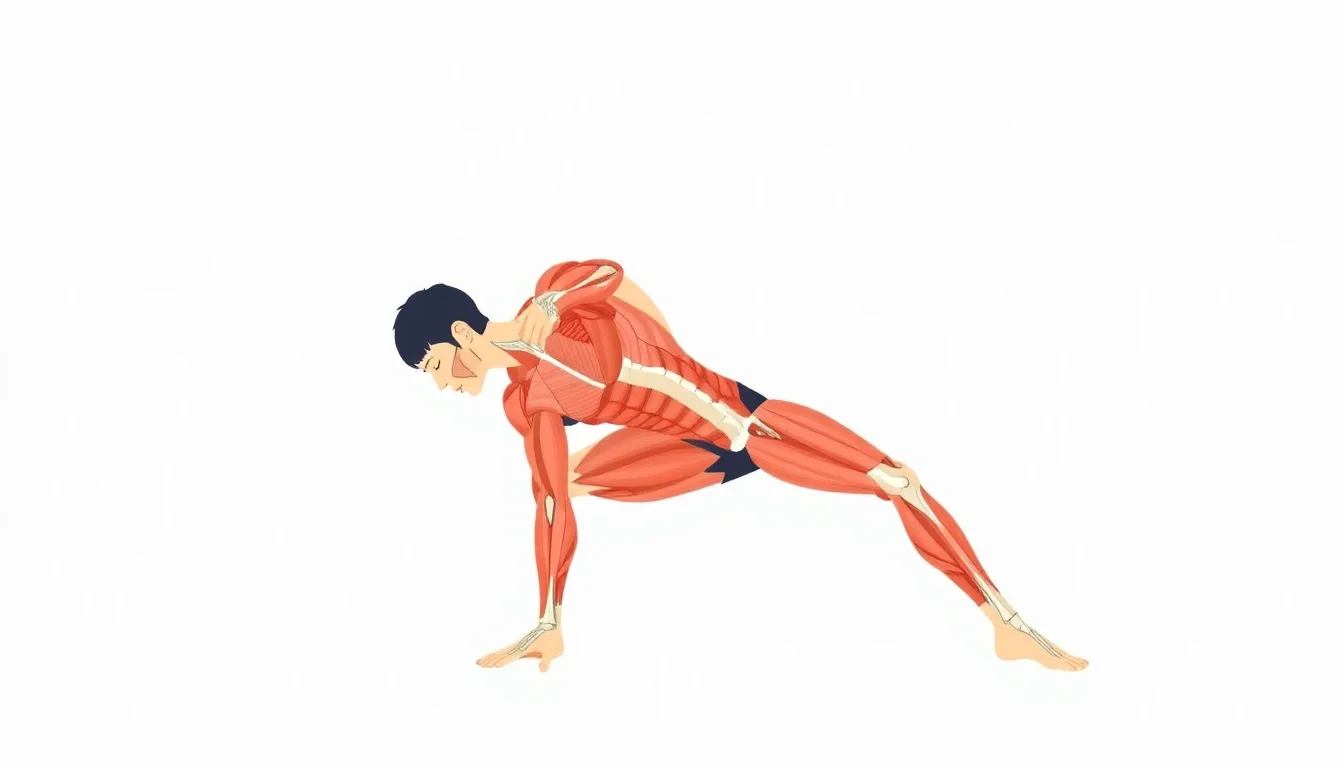
The anatomy of the core is complex, comprising multiple layers of muscles that work together to provide stability and movement. The rectus abdominis muscle, commonly known as the 'six-pack,' is the most visible core muscle. However, other muscles like the obliques and erector spinae play a more significant role in maintaining core stability. The core muscles are divided into two categories: the inner core and the outer core. The inner core includes the diaphragm, pelvic floor muscles, and transverse abdominis, while the outer core comprises the rectus abdominis, obliques, and erector spinae. Understanding the anatomy of the core is essential for developing effective core exercises.
💪 Functions of the Core Muscles
The functions of the core muscles are multifaceted. They provide stability and balance to the body, enabling us to maintain good posture and prevent injuries. The core muscles also facilitate movement patterns, such as rotation, flexion, and extension. For example, the obliques muscles play a crucial role in rotational movements like golf swings and tennis serves. The core muscles also help to transfer force from one part of the body to another, enabling us to generate power and speed. This is particularly important for athletes who participate in sports that require quick changes of direction, such as soccer and basketball.
🏃♂️ Importance of Core Strength
The importance of core strength cannot be overstated. A strong core helps to prevent injuries, improve balance and coordination, and enhance overall physical fitness. Core strength is also essential for maintaining good posture, which can help to reduce the risk of back pain and other musculoskeletal disorders. Furthermore, a strong core can improve athletic performance, enabling individuals to generate more power and speed. For example, a strong core is essential for gymnasts and dancers, who require excellent balance and coordination to perform complex movements.
🤕 Common Core Injuries
Common core injuries include lower back pain, herniated discs, and abdominal strains. These injuries can be caused by a variety of factors, including poor posture, weak core muscles, and overuse. For example, individuals who participate in sports that involve heavy lifting, such as weightlifting and powerlifting, are at risk of developing lower back pain and herniated discs. To prevent core injuries, it is essential to develop a strong core through regular exercise and maintain good posture.
🏋️♀️ Exercises for Core Strengthening
Exercises for core strengthening include planks, crunches, and leg raises. These exercises target the different muscle groups of the core, including the rectus abdominis, obliques, and erector spinae. It is essential to incorporate a variety of exercises into your workout routine to ensure that all muscle groups are targeted. For example, yoga and pilates are excellent exercises for improving core strength and flexibility. Additionally, functional training exercises like squats and deadlifts can help to improve core strength and overall physical fitness.
👥 Core Muscles in Different Sports
The core muscles play a crucial role in different sports, including golf, tennis, and soccer. In golf, a strong core is essential for generating power and speed, while in tennis, it helps to facilitate quick changes of direction. In soccer, a strong core is necessary for maintaining balance and coordination, as well as generating power and speed. For example, Cristiano Ronaldo and Lionel Messi are excellent examples of athletes who possess strong core muscles, enabling them to perform complex movements with ease.
🔬 Core Muscle Imbalances
Core muscle imbalances occur when one muscle group is overdeveloped and another is underdeveloped. This can lead to poor posture, injuries, and reduced athletic performance. For example, individuals who participate in sports that involve heavy lifting, such as weightlifting and powerlifting, may develop overactive erector spinae muscles and underactive abdominals. To prevent core muscle imbalances, it is essential to incorporate a variety of exercises into your workout routine and maintain good posture.
📊 Measuring Core Strength
Measuring core strength is essential for determining the effectiveness of a workout routine. There are several ways to measure core strength, including the plank test and the side bridge test. These tests assess the endurance and strength of the core muscles, providing valuable information for developing effective core exercises. For example, the plank test can help to identify weaknesses in the transverse abdominis muscle, enabling individuals to develop targeted exercises to improve core strength.
📈 Core Muscle Training for Beginners
Core muscle training for beginners should focus on developing a strong foundation of core strength. This can be achieved through exercises like planks, crunches, and leg raises. It is essential to start with low-intensity exercises and gradually increase the intensity as the core muscles become stronger. For example, individuals who are new to exercise can start with short planks and gradually increase the duration as they build endurance. Additionally, incorporating functional training exercises like squats and deadlifts can help to improve core strength and overall physical fitness.
💼 Core Muscles in Everyday Life
The core muscles play a crucial role in everyday life, enabling us to maintain good posture and perform daily activities with ease. A strong core can help to reduce the risk of back pain and other musculoskeletal disorders, improving overall quality of life. For example, individuals who work in jobs that involve heavy lifting, such as construction and manufacturing, can benefit from developing a strong core to reduce the risk of injuries. Additionally, a strong core can improve athletic performance, enabling individuals to participate in sports and activities with greater ease and confidence.
Key Facts
- Year
- 2022
- Origin
- Human Anatomy and Physiology
- Category
- Health and Fitness
- Type
- Anatomical Concept
Frequently Asked Questions
What are the core muscles?
The core muscles include the abdominals and back muscles, which provide stability, balance, and flexibility to the body. The core muscles are divided into two categories: the inner core and the outer core. The inner core includes the diaphragm, pelvic floor muscles, and transverse abdominis, while the outer core comprises the rectus abdominis, obliques, and erector spinae.
Why is core strength important?
Core strength is essential for maintaining good posture, preventing injuries, and improving athletic performance. A strong core can help to reduce the risk of back pain and other musculoskeletal disorders, improving overall quality of life. Additionally, core strength is necessary for generating power and speed, making it an essential component of athletic performance.
How can I improve my core strength?
Improving core strength can be achieved through a variety of exercises, including planks, crunches, and leg raises. It is essential to incorporate a variety of exercises into your workout routine to ensure that all muscle groups are targeted. Additionally, incorporating functional training exercises like squats and deadlifts can help to improve core strength and overall physical fitness.
What are common core injuries?
Common core injuries include lower back pain, herniated discs, and abdominal strains. These injuries can be caused by a variety of factors, including poor posture, weak core muscles, and overuse. To prevent core injuries, it is essential to develop a strong core through regular exercise and maintain good posture.
How can I measure my core strength?
Measuring core strength is essential for determining the effectiveness of a workout routine. There are several ways to measure core strength, including the plank test and the side bridge test. These tests assess the endurance and strength of the core muscles, providing valuable information for developing effective core exercises.
Can I develop a strong core without exercising?
While it is possible to develop some level of core strength without exercising, regular exercise is essential for developing a strong and stable core. Incorporating a variety of exercises into your workout routine can help to improve core strength and overall physical fitness. Additionally, maintaining good posture and engaging in activities that challenge the core muscles, such as yoga and pilates, can help to improve core strength.
How long does it take to develop a strong core?
Developing a strong core takes time and consistent effort. The amount of time it takes to develop a strong core depends on several factors, including the individual's current level of fitness, the frequency and intensity of exercise, and the effectiveness of the workout routine. Generally, it can take several weeks to several months to develop noticeable improvements in core strength.