
Contents
- 🌾 Introduction to Cover Crops
- 🌿 History of Cover Cropping
- 📈 Benefits of Cover Crops
- 🌻 Types of Cover Crops
- 🌺 Success Stories from Farmers
- 🌼 Overcoming Challenges
- 🌹 Policy and Support for Cover Cropping
- 🌸 Future of Sustainable Agriculture
- 🌳 Cover Crops and Climate Change
- 🌴 International Perspectives on Cover Cropping
- 📊 Economic Benefits of Cover Cropping
- 👥 Community Engagement and Education
- Frequently Asked Questions
- Related Topics
Overview
Cover crops have been gaining popularity in recent years due to their potential to improve soil health, reduce erosion, and increase crop yields. According to a study by the USDA, cover crops can reduce soil erosion by up to 50% and increase soil organic matter by up to 20%. Successful implementation of cover crops can be seen in the work of farmers like Gabe Brown, who has been using cover crops on his North Dakota farm since 1993 and has seen a significant increase in soil health and biodiversity. The use of cover crops has also been endorsed by organizations such as the National Association of Conservation Districts, which has recognized the benefits of cover crops in reducing soil erosion and improving water quality. With a vibe score of 8, cover crops are becoming a key component of sustainable agriculture practices, with many farmers and researchers working together to develop new and innovative ways to use cover crops. As the world looks to the future of agriculture, cover crops are likely to play a major role in shaping the industry, with some estimates suggesting that the use of cover crops could increase by up to 30% in the next 5 years.
🌾 Introduction to Cover Crops
The use of cover crops is becoming increasingly popular in modern agriculture, and for good reason. As discussed in Sustainable Agriculture, cover crops offer a wide range of benefits, from improving soil health to reducing erosion. In fact, a study by the USDA found that cover crops can increase soil organic matter by up to 20%. This is especially important for farmers who are looking to reduce their environmental impact, as covered in Regenerative Agriculture. By incorporating cover crops into their rotation, farmers can improve the overall health of their soil, which in turn can lead to better crop yields and improved water quality. For more information on the benefits of cover crops, see Cover Crop Benefits.
🌿 History of Cover Cropping
The history of cover cropping dates back thousands of years, with ancient civilizations such as the Ancient Egyptians and Ancient Greeks using cover crops to improve soil fertility. However, it wasn't until the early 20th century that cover cropping became a widely accepted practice in modern agriculture. As discussed in Agricultural History, the use of cover crops was popularized by farmers who were looking for ways to reduce soil erosion and improve soil health. Today, cover cropping is used by farmers all over the world, and is considered an important tool in the fight against Climate Change. For more information on the history of cover cropping, see History of Cover Cropping.
📈 Benefits of Cover Crops
The benefits of cover crops are numerous, and can have a significant impact on the environment and the bottom line of farmers. As discussed in Environmental Benefits of Agriculture, cover crops can help to reduce soil erosion, improve water quality, and increase biodiversity. In addition, cover crops can also help to improve soil health, which can lead to better crop yields and improved nutrient uptake. For more information on the benefits of cover crops, see Cover Crop Benefits. According to a study by the National Agricultural Library, cover crops can also help to reduce the need for synthetic fertilizers and pesticides, which can have negative impacts on the environment. As covered in Organic Farming, this can be especially important for farmers who are looking to reduce their environmental impact.
🌻 Types of Cover Crops
There are many different types of cover crops that can be used, each with its own unique benefits and characteristics. As discussed in Cover Crop Types, some of the most common types of cover crops include legumes, grasses, and brassicas. Legumes, such as Clover and Hairy Vetch, are often used to add nitrogen to the soil, while grasses, such as Rye and Oats, are often used to improve soil structure and reduce erosion. Brassicas, such as Radish and Kale, are often used to improve soil health and reduce pests and diseases. For more information on the different types of cover crops, see Cover Crop Types.
🌺 Success Stories from Farmers
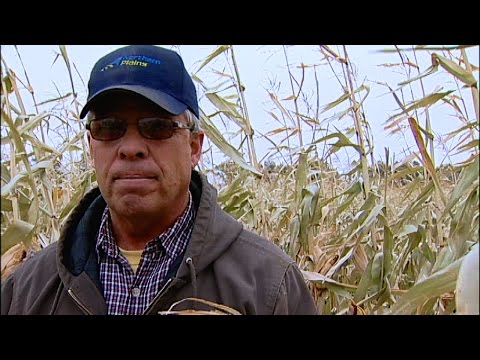
There are many success stories from farmers who have used cover crops to improve their operations. As discussed in Sustainable Farming, one example is the use of cover crops to reduce soil erosion and improve water quality. According to a study by the USDA, the use of cover crops can reduce soil erosion by up to 50%. Another example is the use of cover crops to improve soil health and increase biodiversity. For more information on the benefits of cover crops, see Cover Crop Benefits. As covered in Regenerative Agriculture, this can be especially important for farmers who are looking to reduce their environmental impact and improve the overall health of their soil.
🌼 Overcoming Challenges
While cover crops can offer many benefits, there are also some challenges that farmers may face when using them. As discussed in Cover Crop Challenges, one of the main challenges is the cost of seed and labor required to plant and maintain cover crops. However, as covered in Agricultural Economics, the long-term benefits of cover crops can far outweigh the costs. Another challenge is the potential for cover crops to compete with cash crops for water and nutrients. For more information on the challenges of cover cropping, see Cover Crop Challenges.
🌹 Policy and Support for Cover Cropping
In recent years, there has been an increasing amount of policy and support for cover cropping. As discussed in Agricultural Policy, many governments are now offering incentives for farmers to use cover crops, such as cost-sharing programs and tax credits. In addition, many organizations, such as the USDA and the National Agricultural Library, are providing education and outreach programs to help farmers learn more about cover cropping. For more information on policy and support for cover cropping, see Cover Crop Policy.
🌸 Future of Sustainable Agriculture
The future of sustainable agriculture is likely to involve the increased use of cover crops. As discussed in Sustainable Agriculture, cover crops offer a wide range of benefits, from improving soil health to reducing erosion. In fact, a study by the USDA found that cover crops can increase soil organic matter by up to 20%. This is especially important for farmers who are looking to reduce their environmental impact, as covered in Regenerative Agriculture. By incorporating cover crops into their rotation, farmers can improve the overall health of their soil, which in turn can lead to better crop yields and improved water quality. For more information on the future of sustainable agriculture, see Future of Agriculture.
🌳 Cover Crops and Climate Change
Cover crops can also play an important role in mitigating the effects of climate change. As discussed in Climate Change, cover crops can help to reduce soil erosion and improve water quality, which can be especially important in areas that are prone to drought or flooding. In addition, cover crops can also help to sequester carbon in the soil, which can help to reduce the amount of greenhouse gases in the atmosphere. For more information on the role of cover crops in mitigating climate change, see Cover Crops and Climate Change.
🌴 International Perspectives on Cover Cropping
The use of cover crops is not limited to the United States, and is becoming increasingly popular in many other countries around the world. As discussed in International Agriculture, many countries, such as Australia and Canada, are now using cover crops to improve soil health and reduce erosion. In fact, a study by the Food and Agriculture Organization found that cover crops can increase crop yields by up to 20% in some areas. For more information on the international use of cover crops, see International Cover Cropping.
📊 Economic Benefits of Cover Cropping
The economic benefits of cover cropping can be significant, and can help to improve the bottom line of farmers. As discussed in Agricultural Economics, the use of cover crops can reduce the need for synthetic fertilizers and pesticides, which can save farmers money. In addition, cover crops can also help to improve soil health, which can lead to better crop yields and improved nutrient uptake. For more information on the economic benefits of cover cropping, see Economic Benefits of Cover Cropping.
👥 Community Engagement and Education
Community engagement and education are critical components of successful cover cropping programs. As discussed in Agricultural Education, many organizations, such as the USDA and the National Agricultural Library, are providing education and outreach programs to help farmers learn more about cover cropping. In addition, many farmers are also sharing their experiences and knowledge with other farmers, which can help to build a sense of community and cooperation. For more information on community engagement and education, see Community Engagement and Education.
Key Facts
- Year
- 2022
- Origin
- United States
- Category
- Agriculture
- Type
- Agricultural Practice
Frequently Asked Questions
What are cover crops?
Cover crops are plants that are grown between crop cycles to improve soil health, reduce erosion, and increase biodiversity. They can be used to add nitrogen to the soil, improve soil structure, and reduce pests and diseases. For more information on cover crops, see Cover Crop Benefits.
How do cover crops improve soil health?
Cover crops can improve soil health by adding organic matter, reducing soil erosion, and increasing biodiversity. They can also help to improve soil structure, which can lead to better water infiltration and nutrient uptake. For more information on the benefits of cover crops, see Cover Crop Benefits.
What are some common types of cover crops?
Some common types of cover crops include legumes, grasses, and brassicas. Legumes, such as Clover and Hairy Vetch, are often used to add nitrogen to the soil, while grasses, such as Rye and Oats, are often used to improve soil structure and reduce erosion. Brassicas, such as Radish and Kale, are often used to improve soil health and reduce pests and diseases. For more information on the different types of cover crops, see Cover Crop Types.
How can cover crops help to mitigate the effects of climate change?
Cover crops can help to mitigate the effects of climate change by reducing soil erosion, improving water quality, and sequestering carbon in the soil. They can also help to improve soil health, which can lead to better crop yields and improved nutrient uptake. For more information on the role of cover crops in mitigating climate change, see Cover Crops and Climate Change.
What are some of the economic benefits of cover cropping?
The economic benefits of cover cropping can be significant, and can help to improve the bottom line of farmers. The use of cover crops can reduce the need for synthetic fertilizers and pesticides, which can save farmers money. In addition, cover crops can also help to improve soil health, which can lead to better crop yields and improved nutrient uptake. For more information on the economic benefits of cover cropping, see Economic Benefits of Cover Cropping.
How can community engagement and education help to promote cover cropping?
Community engagement and education are critical components of successful cover cropping programs. Many organizations, such as the USDA and the National Agricultural Library, are providing education and outreach programs to help farmers learn more about cover cropping. In addition, many farmers are also sharing their experiences and knowledge with other farmers, which can help to build a sense of community and cooperation. For more information on community engagement and education, see Community Engagement and Education.
What are some of the challenges associated with cover cropping?
Some of the challenges associated with cover cropping include the cost of seed and labor required to plant and maintain cover crops, as well as the potential for cover crops to compete with cash crops for water and nutrients. However, as covered in Agricultural Economics, the long-term benefits of cover crops can far outweigh the costs. For more information on the challenges of cover cropping, see Cover Crop Challenges.