
Contents
- 🍴 Introduction to Curries
- 🔥 History of Curry: A Spicy Evolution
- 🌍 Globalization of Curry: A Dish Without Borders
- 🍲 Types of Curries: A World of Flavors
- 🌶 Spice Blends: The Heart of Curry
- 🍜 Curry in Southeast Asia: A Regional Perspective
- 🍴 Curry in East Asia: A Fusion of Flavors
- 👨🍳 Famous Curry Dishes: A Culinary Journey
- 🤝 Influence of Curry on Other Cuisines
- 🌟 Modern Curry: Innovations and Trends
- 👀 Controversies and Debates: The Curry Conundrum
- 📚 Conclusion: The Enduring Legacy of Curry
- Frequently Asked Questions
- Related Topics
Overview
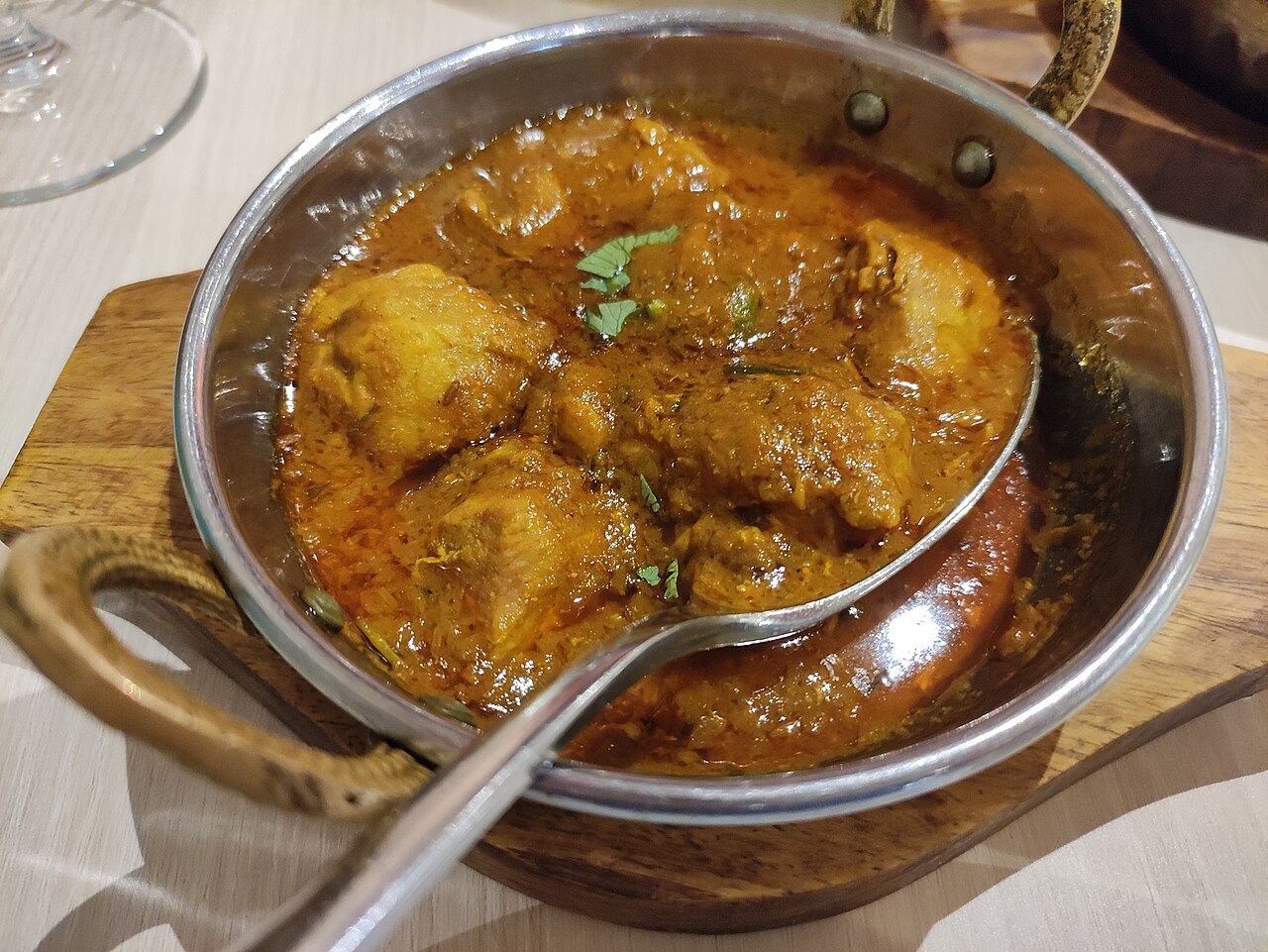
Curry, a dish with a rich and complex history, has become an integral part of global cuisine. With its origins in Indian cuisine, curry has undergone significant transformations over the centuries, influenced by various cultures and trade routes. The Portuguese introduced new spices and cooking techniques, while the British adapted curry to suit their own tastes. Today, curry is a staple in many countries, including Southeast Asia and East Asia.
🔥 History of Curry: A Spicy Evolution
The history of curry is a fascinating tale of cultural exchange and adaptation. The word 'curry' is derived from the Tamil word 'kari,' meaning 'sauce' or 'relish.' The earliest recorded evidence of curry dates back to the Indus Valley Civilization, where archaeologists have discovered evidence of spice trade and curry-like dishes. The Portuguese Empire played a significant role in spreading curry throughout their colonies, including India and Southeast Asia.
🌍 Globalization of Curry: A Dish Without Borders
Curry has become a global phenomenon, with various countries adapting the dish to their unique tastes and ingredients. In Japan, curry is a popular dish known as 'curry rice,' while in Thailand, it is a key component of the national cuisine. The British Raj introduced curry to the United Kingdom, where it became a staple of British cuisine. Today, curry is enjoyed in many parts of the world, from Australia to United States.
🍲 Types of Curries: A World of Flavors
The diversity of curries is staggering, with various types and regional specialties. In India, there are countless types of curries, including chicken tikka masala, palak paneer, and saag paneer. In Thailand, curries are known for their spicy and sour flavors, while in Japan, they are often milder and sweeter. The Malaysian cuisine is famous for its beef rendang, a spicy curry made with coconut milk and beef.
🌶 Spice Blends: The Heart of Curry
The heart of curry lies in its spice blends, which vary greatly depending on the region and type of curry. The most common spices used in curry include turmeric, coriander, cumin, and cayenne pepper. In Indian cuisine, the spice blend is known as 'garam masala,' while in Thailand, it is called 'curry paste.' The Portuguese introduced new spices, such as cinnamon and cardamom, which are now essential components of many curry dishes.
🍜 Curry in Southeast Asia: A Regional Perspective
In Southeast Asia, curry is a staple dish, with various countries having their unique versions. In Thailand, curry is a key component of the national cuisine, with popular dishes like green curry and massaman curry. In Malaysia, curry is often served with rice or roti, while in Indonesia, it is a key ingredient in the popular dish nasi goreng. The Southeast Asian cuisine is known for its bold flavors and spices, which are reflected in the various curry dishes found in the region.
🍴 Curry in East Asia: A Fusion of Flavors
In East Asia, curry has become a popular dish, particularly in Japan and China. In Japan, curry is known as 'curry rice,' and is often served with beef, pork, or chicken. In China, curry is a key ingredient in the popular dish Kung Pao chicken. The East Asian cuisine is known for its unique flavors and ingredients, which are reflected in the various curry dishes found in the region.
👨🍳 Famous Curry Dishes: A Culinary Journey
There are many famous curry dishes around the world, each with its unique flavors and ingredients. In India, the popular dish butter chicken is a staple of North Indian cuisine. In Thailand, the spicy and sour tom yum soup is a popular dish, while in Japan, the mild and sweet curry udon is a favorite among locals. The British cuisine is famous for its chicken tikka masala, a dish that has become a staple of British restaurants.
🤝 Influence of Curry on Other Cuisines
Curry has had a significant influence on other cuisines, particularly in the West. The British cuisine has been heavily influenced by Indian cuisine, with many popular dishes like fish and chips and full English breakfast featuring curry-inspired flavors. In the United States, curry has become a popular ingredient in many dishes, from curry chicken salad to curry lentil soup.
🌟 Modern Curry: Innovations and Trends
Modern curry is a dynamic and evolving dish, with many innovative and trendy versions. In India, the popular dish vegan curry has become a staple of Indian restaurants. In Thailand, the spicy and sour curry paste has been adapted to suit modern tastes, with many restaurants offering vegan and gluten-free options. The social media has played a significant role in promoting curry, with many food bloggers and influencers sharing their favorite curry recipes and restaurants.
👀 Controversies and Debates: The Curry Conundrum
Despite its popularity, curry is not without controversy. In India, the dish has been at the center of many debates, particularly regarding its authenticity and cultural appropriation. In the West, curry has been criticized for its perceived spiciness and exoticism. The curry recipe has been the subject of many disputes, with many chefs and food writers arguing over the best ingredients and cooking techniques.
📚 Conclusion: The Enduring Legacy of Curry
In conclusion, curry is a dish with a rich and complex history, spanning thousands of years and countless cultures. From its origins in Indian cuisine to its modern adaptations in East Asia and West, curry has become a global phenomenon, with various countries and regions having their unique versions. Whether you're a fan of spicy and sour Thai curry or mild and sweet Japanese curry, there's no denying the enduring legacy of curry.
Key Facts
- Category
- topic
- Type
- topic
Frequently Asked Questions
What is the origin of curry?
The origin of curry is attributed to the Indus Valley Civilization, where archaeologists have discovered evidence of spice trade and curry-like dishes. The word 'curry' is derived from the Tamil word 'kari,' meaning 'sauce' or 'relish.'
What are the different types of curry?
There are many types of curry, including chicken tikka masala, palak paneer, saag paneer, beef rendang, and green curry. Each type of curry has its unique flavors and ingredients, reflecting the diverse culinary traditions of various countries and regions.
What is the significance of curry in different cultures?
Curry has significant cultural and historical importance in many countries, particularly in India, Thailand, and Japan. In India, curry is a staple dish, with many popular varieties like chicken tikka masala and palak paneer. In Thailand, curry is a key component of the national cuisine, with popular dishes like green curry and massaman curry.
How has curry evolved over time?
Curry has undergone significant transformations over the centuries, influenced by various cultures and trade routes. The Portuguese Empire introduced new spices and cooking techniques, while the British Raj adapted curry to suit their own tastes. Today, curry is a global phenomenon, with many countries and regions having their unique versions.
What are the essential ingredients in curry?
The essential ingredients in curry include turmeric, coriander, cumin, and cayenne pepper. The spice blend is known as 'garam masala' in Indian cuisine, while in Thailand, it is called 'curry paste.' The Portuguese introduced new spices, such as cinnamon and cardamom, which are now essential components of many curry dishes.
How has curry influenced other cuisines?
Curry has had a significant influence on other cuisines, particularly in the West. The British cuisine has been heavily influenced by Indian cuisine, with many popular dishes like fish and chips and full English breakfast featuring curry-inspired flavors. In the United States, curry has become a popular ingredient in many dishes, from curry chicken salad to curry lentil soup.
What are the modern trends in curry?
Modern curry is a dynamic and evolving dish, with many innovative and trendy versions. In India, the popular dish vegan curry has become a staple of Indian restaurants. In Thailand, the spicy and sour curry paste has been adapted to suit modern tastes, with many restaurants offering vegan and gluten-free options.