
Contents
- 🌄 Origins & History
- 🏜️ How Deserts Form
- 📊 Key Facts & Numbers
- 👥 Key People & Organizations
- 🌍 Cultural Impact & Influence
- ⚡ Current State & Latest Developments
- 🤔 Controversies & Debates
- 🔮 Future Outlook & Predictions
- 💡 Practical Applications
- 📚 Related Topics & Deeper Reading
- Frequently Asked Questions
- References
- Related Topics
Overview
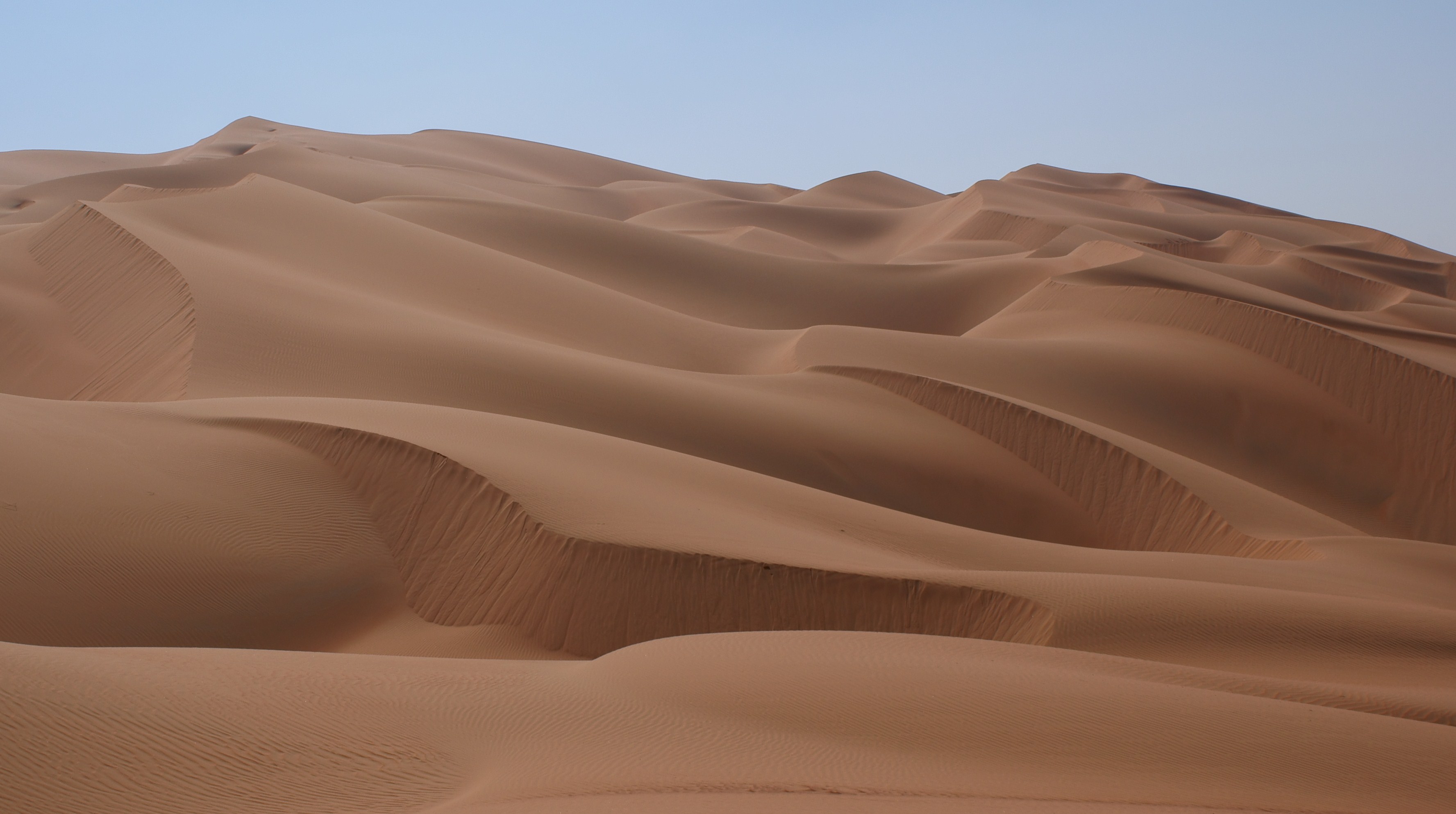
Deserts are unique biomes characterized by low precipitation, exposing the ground to denudation and creating harsh living conditions. This environment has given rise to remarkable adaptations in flora and fauna, as well as inspiring spiritual practices and conscious living. Deserts have been home to various cultures and have played a significant role in human history. The desert's extreme conditions also offer a backdrop for mindfulness practices, such as vipassana meditation, and eco-spirituality. Understanding and respecting these ecosystems is crucial for our collective well-being and the health of the planet, as emphasized by deep ecology principles.
🌄 Origins & History
The concept of desert landscapes has been intertwined with human history, from ancient civilizations to modern times. The harsh conditions of deserts have inspired unique cultural, spiritual, and ecological adaptations, such as the development of oasis culture and desert permaculture. For instance, the Bedouin people have lived in harmony with the desert environment for centuries, demonstrating a profound understanding of ecological stewardship. The spiritual significance of deserts can be seen in various religious and philosophical traditions, including Sufism and desert mysticism, which often involve solitude and contemplation.
🏜️ How Deserts Form
Deserts are home to a variety of unique and adapted flora and fauna, such as cacti and camels. The lack of vegetation in deserts exposes the soil to erosion, leading to the formation of unique geological features.
📊 Key Facts & Numbers
Key people and organizations involved in desert research, conservation, and sustainability include National Geographic, Desert Research Institute, and University of Arizona. These organizations have contributed significantly to our understanding of desert ecosystems and the development of strategies for sustainable land use, such as agroforestry and permaculture design.
👥 Key People & Organizations
Deserts have inspired spiritual practices and conscious living. The harsh conditions of deserts have also driven innovation in fields like renewable energy and water conservation.
🌍 Cultural Impact & Influence
Currently, deserts are facing challenges. The conservation and management of deserts are controversial topics, with debates surrounding issues like mining, fracking, and land use.
⚡ Current State & Latest Developments
Looking to the future, deserts may play a role in the global effort to address climate change. Practical applications of desert knowledge include the development of drought-resistant crops and water-efficient technologies. The permaculture movement has also emphasized the importance of designing sustainable and regenerative systems for desert environments.
🤔 Controversies & Debates
Related topics include arid ecology, desert geology, and ecosystem services. The study of deserts has also led to a greater understanding of Earth systems and the importance of conservation biology.
🔮 Future Outlook & Predictions
The Desert Research Network has been established to facilitate collaboration and knowledge-sharing among researchers and practitioners working in desert environments.
Key Facts
- Year
- 2020
- Origin
- Global
- Category
- environment
- Type
- topic
Frequently Asked Questions
What are the unique features of desert ecosystems?
Desert ecosystems are characterized by low precipitation, limited vegetation, and unique geological features.
What are some examples of unique and adapted flora and fauna in deserts?
Examples include cacti and camels.