Contents
- 🌎 Origins & History
- 🌈 How It Works
- 📊 Key Facts & Numbers
- 👥 Key People & Organizations
- 🌍 Cultural Impact & Influence
- ⚡ Current State & Latest Developments
- 🤔 Controversies & Debates
- 🔮 Future Outlook & Predictions
- 💡 Practical Applications
- 📚 Related Topics & Deeper Reading
- Frequently Asked Questions
- References
- Related Topics
Overview
A diaspora community refers to a group of people who have dispersed from their original homeland, yet maintain strong cultural, emotional, and spiritual ties to their roots. This concept is particularly relevant in the context of conscious communication, community building, and individual awakening, as it highlights the importance of preserving cultural heritage and fostering global understanding. The diaspora community serves as a powerful reminder of the human desire for connection, belonging, and identity. By embracing our diversity and promoting cross-cultural understanding, we can work towards creating a more harmonious and inclusive global community.
🌎 Origins & History
The concept of diaspora community has its roots in the ancient Greek word διασπορά (diaspora, lit. 'dispersion'), which was first used to describe the Jewish exile following the Babylonian captivity. Today, the term encompasses a wide range of communities, from longstanding groups such as Armenians and overseas Chinese, to more recent diasporas shaped by twentieth- and twenty-first-century conflict and upheaval, including Palestinians and Syrians. As noted by bell hooks, the diaspora experience is often marked by a sense of displacement and disconnection, yet it also offers opportunities for growth, self-discovery, and community building.
🌈 How It Works
A diaspora community is characterized by its strong sense of identity and connection to a particular homeland, culture, or tradition. This can manifest in various ways, such as through language, cuisine, music, and art. For example, the African diaspora has given rise to a vibrant and diverse cultural landscape, with influences from Africa, Europe, and the Americas. As we explore the complexities of diaspora identity, we can draw inspiration from the work of James Baldwin and other writers who have reflected on the diaspora experience.
📊 Key Facts & Numbers
The International Organization for Migration (IOM) works to promote the rights and well-being of migrants and diaspora communities, while the United Nations High Commissioner for Refugees (UNHCR) provides humanitarian aid and support to refugees and displaced persons. As we consider the importance of diaspora community, we can draw inspiration from the work of Malala Yousafzai and other advocates for human rights and social justice.
👥 Key People & Organizations
Key people and organizations have played a significant role in shaping the concept of diaspora community. For example, the Pew Research Center has studied migration patterns and demographic trends, providing valuable insights into the complexities of diaspora community formation. As we reflect on the importance of diaspora community, we can look to the work of scholars and researchers who have explored the intersections of culture, identity, and globalization.
🌍 Cultural Impact & Influence
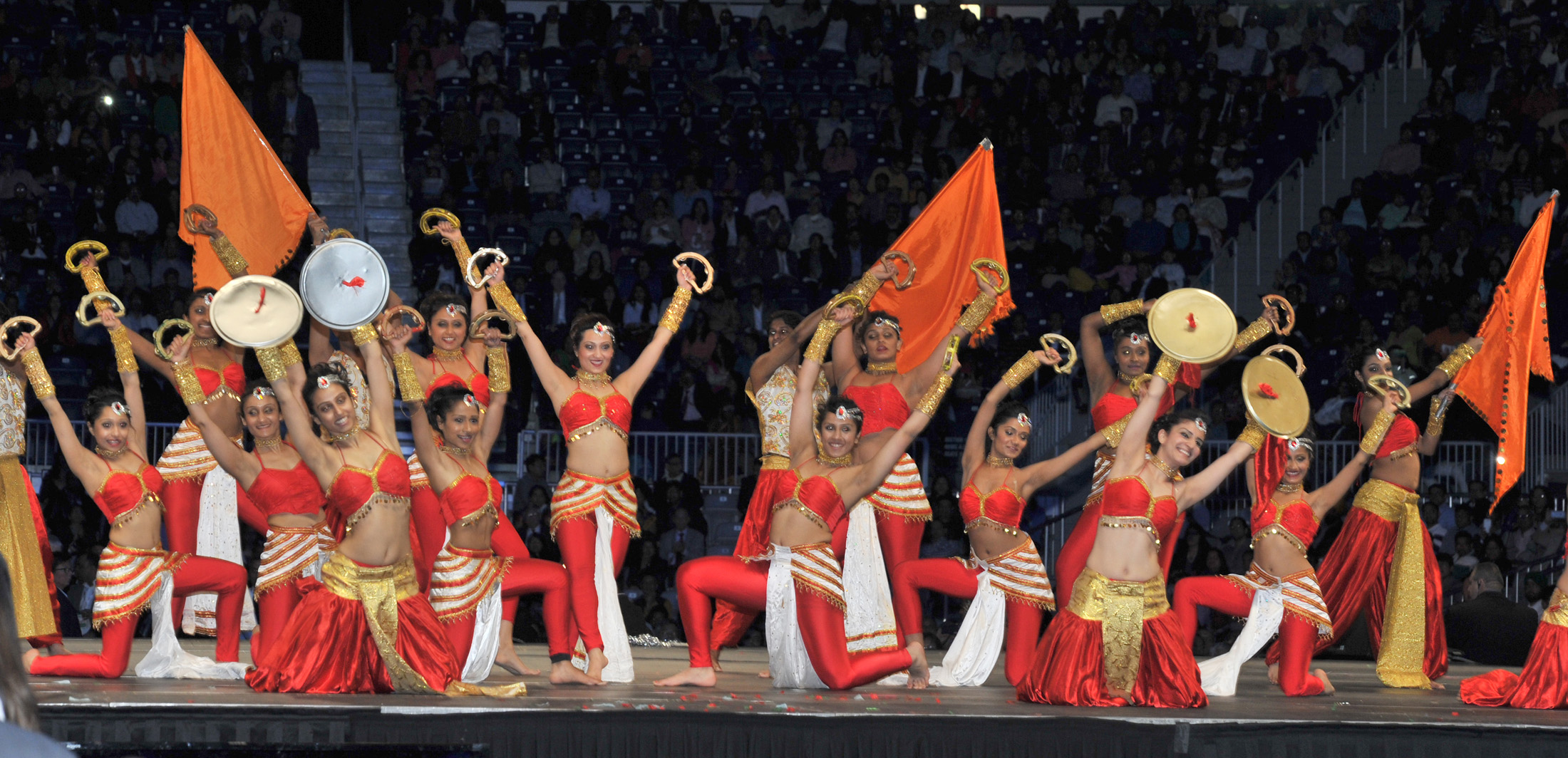
The cultural impact of diaspora communities cannot be overstated. From the vibrant street art of Little Havana to the rich literary traditions of the Caribbean diaspora, these communities have enriched our global cultural landscape. As we celebrate the diversity of diaspora cultures, we can look to the work of Zadie Smith and other writers who have reflected on the complexities of identity and belonging.
⚡ Current State & Latest Developments
In recent years, diaspora communities have been at the forefront of social and political change. From the Black Lives Matter movement to the Me Too movement, these communities have mobilized to address issues of justice, equality, and human rights. As we consider the role of diaspora communities in shaping our global future, we can draw inspiration from the work of Angela Davis and other activists who have dedicated their lives to social justice and human rights.
🤔 Controversies & Debates
Despite the many contributions of diaspora communities, they also face numerous challenges and controversies. From issues of racism and xenophobia to concerns about cultural appropriation and identity politics, these communities must navigate complex and often fraught social landscapes. As we reflect on the challenges faced by diaspora communities, we can look to the work of Ta-Nehisi Coates and other writers who have explored the complexities of identity and belonging.
🔮 Future Outlook & Predictions
As we look to the future, it is clear that diaspora communities will play an increasingly important role in shaping our global society. From the rise of digital diasporas to the growth of global citizenship, these communities are redefining what it means to belong and connect in a rapidly changing world. As we consider the future of diaspora community, we can draw inspiration from the work of Yuval Noah Harari and other thinkers who have reflected on the possibilities and challenges of global connectivity.
💡 Practical Applications
In practical terms, diaspora communities offer a wealth of opportunities for connection, collaboration, and mutual support. From language exchange programs to cultural festivals, these communities provide a platform for people to come together and celebrate their shared heritage. As we explore the practical applications of diaspora community, we can look to the work of organizations that have facilitated global connections and cultural exchange.
Key Facts
- Year
- 2020
- Origin
- Global
- Category
- community
- Type
- concept
Frequently Asked Questions
What is a diaspora community?
A diaspora community refers to a group of people who have dispersed from their original homeland, yet maintain strong cultural, emotional, and spiritual ties to their roots. This concept is particularly relevant in the context of conscious communication, community building, and individual awakening, as it highlights the importance of preserving cultural heritage and fostering global understanding. The diaspora experience can be a powerful catalyst for personal growth and transformation.
How do diaspora communities form?
Diaspora communities can form through a variety of means, including voluntary migration, forced displacement, and cultural exchange. For example, the African diaspora was formed through the transatlantic slave trade, while the Armenian diaspora was formed through a combination of voluntary migration and forced displacement. As we explore the complexities of diaspora community formation, we can look to the work of scholars who have studied the intersections of culture, identity, and globalization.
What are the benefits of diaspora communities?
Diaspora communities offer a wealth of benefits, including cultural exchange, language preservation, and mutual support. As we explore the practical applications of diaspora community, we can look to the work of organizations that have facilitated global connections and cultural exchange.