
Contents
- 🍴 Introduction to Dim Sum
- 🌟 History of Dim Sum: A Tenth-Century Tradition
- 🍜 The Evolution of Dim Sum: From Teahouses to Restaurants
- 🍵 The Concept of Yum Cha: Brunch and Tea
- 👥 Dim Sum Etiquette: A Guide to Traditional Practices
- 🍴 Popular Dim Sum Dishes: A Culinary Tour
- 🌍 Regional Variations: Dim Sum Beyond Cantonese Cuisine
- 🍜 The Art of Dim Sum Making: A Look into the Kitchen
- 👨🍳 Dim Sum Chefs: The Masters Behind the Dishes
- 📚 Dim Sum in Modern Times: Trends and Innovations
- 🤝 Dim Sum and Community: The Social Aspect of Yum Cha
- 👀 The Future of Dim Sum: A Global Phenomenon
- Frequently Asked Questions
- Related Topics
Overview
Dim sum, which translates to 'touch the heart' in Cantonese, is a traditional Chinese cuisine with a history dating back to the Southern Song dynasty (1127-1279 AD). This delicate and intricate culinary art form has evolved over the centuries, with its origins rooted in the tea houses of Guangdong Province. Today, dim sum is a global phenomenon, with restaurants and chefs around the world putting their own spin on classic dishes like har gow, siu mai, and cha siu bao. However, the rise of modern dim sum has also sparked debates about authenticity, cultural appropriation, and the role of technology in preserving traditional cooking techniques. With a vibe score of 8, dim sum continues to captivate foodies and cultural enthusiasts alike, with its unique blend of flavors, textures, and communal dining experience. As the culinary world continues to evolve, one question remains: how will dim sum adapt to changing tastes and trends while remaining true to its heritage?
🍴 Introduction to Dim Sum
Dim sum is a culinary tradition that has been a cornerstone of Chinese cuisine for centuries. With its origins in the tenth century, dim sum has evolved from a simple teahouse snack to a global phenomenon. To understand the intricacies of dim sum, it's essential to explore its history and cultural significance. The concept of yum cha (brunch) is deeply rooted in dim sum, and it's often associated with Cantonese cuisine. However, dim sum dishes also exist in other Chinese cuisines, such as Hunan cuisine and Szechuan cuisine.
🌟 History of Dim Sum: A Tenth-Century Tradition
The history of dim sum dates back to the tenth century, when the city of Guangzhou (formerly known as Canton) experienced an increase in commercial travel. During this time, teahouses became a popular spot for travelers to rest and enjoy small-portion meals with tea, known as yum cha. This tradition is still practiced today, with dim sum being an integral part of the yum cha experience. The term 'dim sum' literally translates to 'touch the heart,' which refers to the small food items that accompany the tea. For a deeper understanding of the history of dim sum, it's recommended to explore the history of China and its cultural influences.
🍜 The Evolution of Dim Sum: From Teahouses to Restaurants
Over time, dim sum has evolved from a simple teahouse snack to a sophisticated culinary experience. Today, dim sum is commonly enjoyed in restaurants, where a wide range of dishes are served. The traditional concept of jat zung loeng gin (one cup, two pieces) is still practiced, where customers are served two delicately made food items to complement their tea. This custom is a testament to the attention to detail and care that goes into creating the perfect dim sum experience. To learn more about the evolution of dim sum, it's essential to explore the culture of China and its impact on the culinary world.
🍵 The Concept of Yum Cha: Brunch and Tea
The concept of yum cha is deeply rooted in dim sum culture. Yum cha includes two related concepts: jat zung loeng gin (one cup, two pieces) and dim sum (touch the heart). The term 'yum cha' refers to the custom of serving teahouse customers small-portion meals with tea. This tradition is still practiced today, with dim sum being an integral part of the yum cha experience. To understand the significance of yum cha, it's essential to explore the history of tea and its cultural influences. For a deeper understanding of the concept of yum cha, it's recommended to visit a traditional Chinese teahouse.
👥 Dim Sum Etiquette: A Guide to Traditional Practices
Dim sum etiquette is an essential aspect of the traditional yum cha experience. When dining at a dim sum restaurant, it's customary to follow certain rules and guidelines. For example, it's considered impolite to leave your chopsticks standing upright in your rice bowl, as this is reminiscent of a funeral ritual. Instead, it's recommended to place your chopsticks on the side of your plate or on a chopstick rest. To learn more about dim sum etiquette, it's essential to explore the etiquette in China and its cultural significance. For a deeper understanding of the cultural nuances, it's recommended to visit a Chinese cultural center.
🍴 Popular Dim Sum Dishes: A Culinary Tour
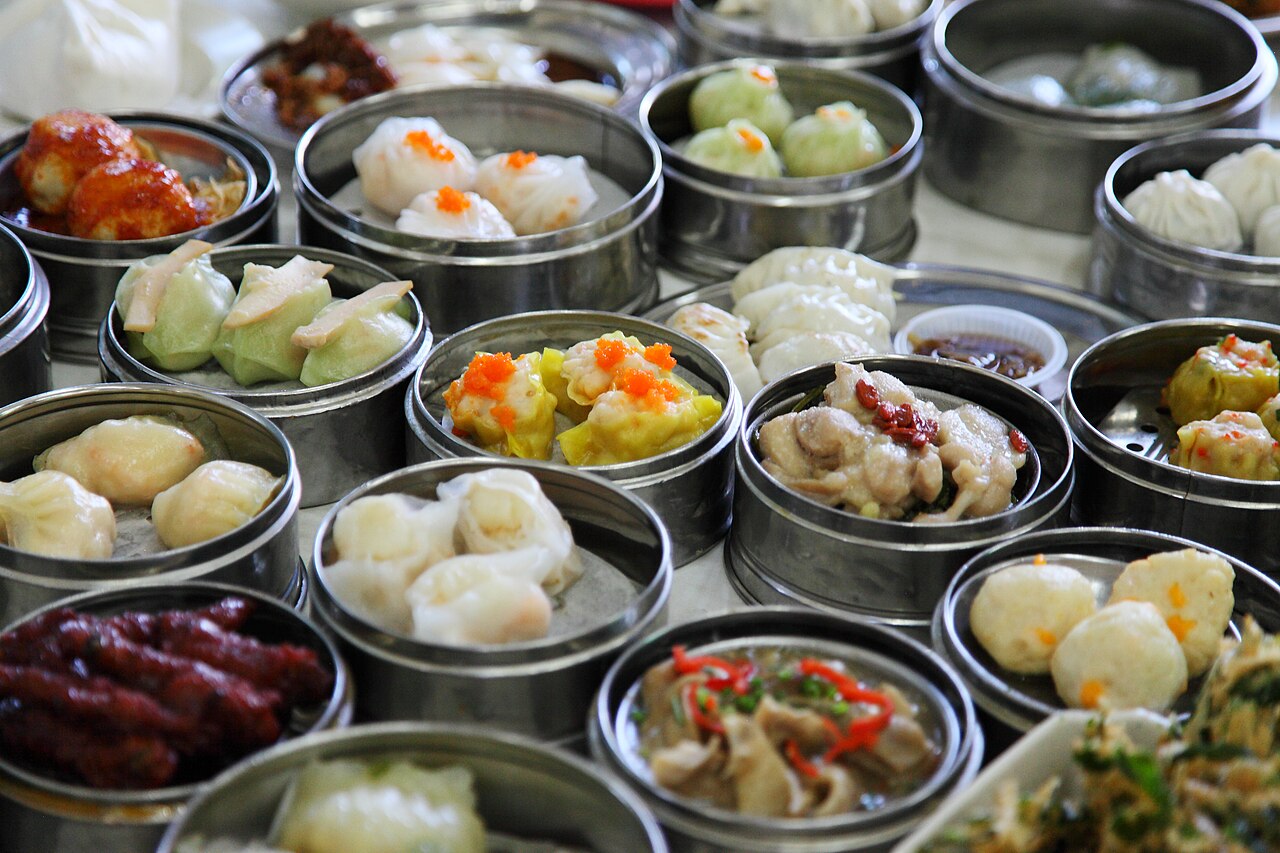
Dim sum offers a wide range of dishes to suit every taste and preference. From classic dishes like har gow (steamed shrimp dumplings) and siu mai (steamed pork dumplings) to more exotic dishes like cha siu bao (barbecue pork buns) and lo bak go (turnip cake), there's something for everyone. To learn more about popular dim sum dishes, it's essential to explore the cuisine of Hong Kong and its cultural influences. For a deeper understanding of the culinary scene, it's recommended to visit a Hong Kong restaurant.
🌍 Regional Variations: Dim Sum Beyond Cantonese Cuisine
While dim sum is commonly associated with Cantonese cuisine, it's not the only region that offers dim sum dishes. Other Chinese cuisines, such as Hunan cuisine and Szechuan cuisine, also have their own unique dim sum traditions. For example, Hunan cuisine is known for its spicy dim sum dishes, while Szechuan cuisine is famous for its numbing and spicy flavors. To learn more about regional variations, it's essential to explore the regional cuisine of China and its cultural significance. For a deeper understanding of the culinary diversity, it's recommended to visit a Chinese restaurant.
🍜 The Art of Dim Sum Making: A Look into the Kitchen
The art of dim sum making is a complex and nuanced process that requires great skill and attention to detail. Dim sum chefs must be able to create delicate and intricate dishes that are both visually appealing and delicious. To learn more about the art of dim sum making, it's essential to explore the culinary arts and its cultural significance. For a deeper understanding of the culinary techniques, it's recommended to visit a culinary school.
👨🍳 Dim Sum Chefs: The Masters Behind the Dishes
Dim sum chefs are the masters behind the dishes, and their skill and expertise are essential to creating the perfect dim sum experience. From the delicate wrapping of har gow (steamed shrimp dumplings) to the intricate preparation of cha siu bao (barbecue pork buns), dim sum chefs must be able to create a wide range of dishes that are both delicious and visually appealing. To learn more about dim sum chefs, it's essential to explore the chef profiles and their culinary journeys. For a deeper understanding of the culinary world, it's recommended to visit a restaurant kitchen.
📚 Dim Sum in Modern Times: Trends and Innovations
In modern times, dim sum has evolved to include new and innovative dishes that cater to changing tastes and preferences. From fusion dim sum to vegan and gluten-free options, there's something for everyone. To learn more about modern dim sum trends, it's essential to explore the food trends and their cultural significance. For a deeper understanding of the culinary scene, it's recommended to visit a modern restaurant.
👀 The Future of Dim Sum: A Global Phenomenon
As dim sum continues to evolve and spread globally, it's essential to consider its future and the impact it will have on the culinary world. Will dim sum become a staple of international cuisine, or will it remain a niche tradition? To learn more about the future of dim sum, it's essential to explore the future of food and its cultural significance. For a deeper understanding of the culinary trends, it's recommended to visit a food festival.
Key Facts
- Year
- 1127
- Origin
- Guangdong Province, China
- Category
- Food and Culture
- Type
- Culinary Tradition
Frequently Asked Questions
What is the origin of dim sum?
Dim sum originated in the tenth century in the city of Guangzhou (formerly known as Canton), where it was served as a small-portion meal with tea in teahouses. The tradition of yum cha (brunch) is deeply rooted in dim sum culture. To learn more about the history of dim sum, it's essential to explore the history of China and its cultural influences.
What is the difference between dim sum and yum cha?
Dim sum refers to the small food items that accompany the tea, while yum cha refers to the custom of serving teahouse customers small-portion meals with tea. The two concepts are closely related and are often used interchangeably. To learn more about the concept of yum cha, it's essential to explore the culture of China and its impact on the culinary world.
What are some popular dim sum dishes?
Some popular dim sum dishes include har gow (steamed shrimp dumplings), siu mai (steamed pork dumplings), cha siu bao (barbecue pork buns), and lo bak go (turnip cake). To learn more about popular dim sum dishes, it's essential to explore the cuisine of Hong Kong and its cultural influences.
Is dim sum only associated with Cantonese cuisine?
No, while dim sum is commonly associated with Cantonese cuisine, it's not the only region that offers dim sum dishes. Other Chinese cuisines, such as Hunan cuisine and Szechuan cuisine, also have their own unique dim sum traditions. To learn more about regional variations, it's essential to explore the regional cuisine of China and its cultural significance.
What is the future of dim sum?
The future of dim sum is uncertain, but it's likely that it will continue to evolve and spread globally. As people become more interested in international cuisine, dim sum may become a staple of global cuisine. To learn more about the future of dim sum, it's essential to explore the future of food and its cultural significance.
How do I learn more about dim sum?
To learn more about dim sum, it's essential to explore the culture of China and its impact on the culinary world. You can also visit a Chinese restaurant or a culinary school to learn more about the art of dim sum making. Additionally, you can explore the food trends and their cultural significance to stay up-to-date with the latest developments in the culinary world.
What is the cultural significance of dim sum?
Dim sum has a rich cultural significance that goes beyond its culinary appeal. It's a tradition that is deeply rooted in community and social bonding, and dim sum restaurants often serve as gathering places for friends and family. To learn more about the cultural significance of dim sum, it's essential to explore the social aspect of food and its cultural nuances.