
Contents
- 🌟 Introduction to the Dogon People
- 🌍 Geographical Context: The Sahara and Beyond
- 📚 Language and Cultural Significance
- 🔭 Ancient Astronomers: The Dogon's Cosmic Knowledge
- 🤝 Influence and Exchange: Dogon and Other Cultures
- 📊 Demographics and Population
- 🌐 Language Family: Niger–Congo and Beyond
- 📜 History and Origins: Uncovering the Dogon's Past
- 🌈 Cultural Practices and Traditions
- 🌟 Astronomical Legacy: The Dogon's Enduring Impact
- Frequently Asked Questions
- Related Topics
Overview
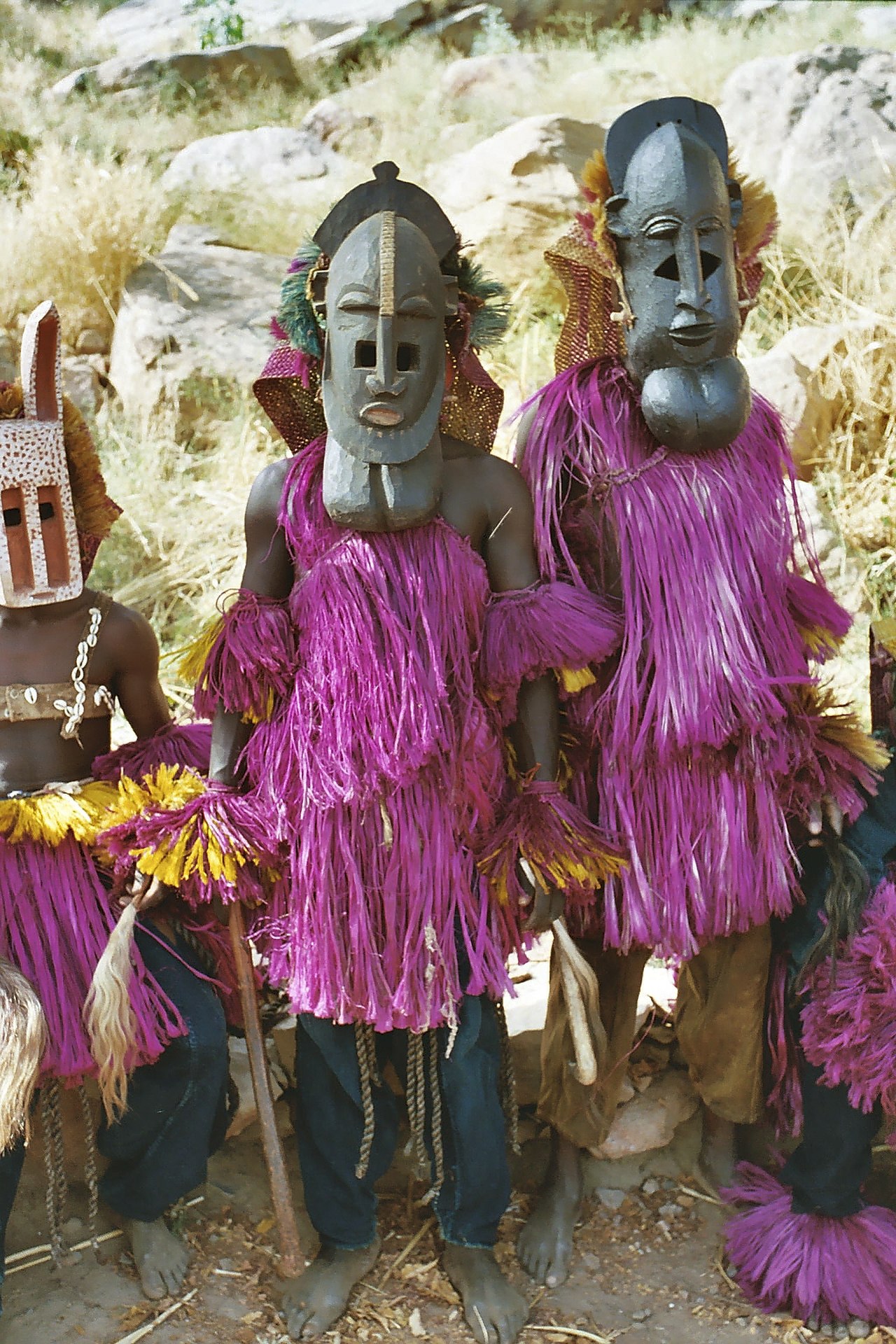
The Dogon people, an ancient ethnic group from Mali, have been a subject of fascination due to their advanced astronomical knowledge and unique cultural practices. With a population of around 800,000, they have managed to preserve their traditions and customs despite the influence of external factors. The Dogon people are known for their intricate masks, ritual dances, and a deep understanding of the cosmos, including the star Sirius B, which was only discovered by Western astronomers in the 20th century. Their knowledge of astronomy has sparked debates about the possibility of extraterrestrial contact, with some speculating that they may have had encounters with beings from other worlds. The Dogon people's influence can be seen in various aspects of African culture, and their story has been documented by anthropologists such as Marcel Griaule and Germaine Dieterlen. As we continue to explore the mysteries of the Dogon people, we are reminded of the importance of preserving cultural heritage and the need for further research into the history and traditions of this enigmatic group.
🌟 Introduction to the Dogon People
The Dogon people are an indigenous ethnic group residing in the central plateau region of Mali, West Africa, with a population ranging between 400,000 and 800,000. They are known for their unique cultural practices and traditions, which are deeply rooted in their history and anthropological context. The Dogon speak the Dogon languages, which are considered an independent branch of the Niger–Congo language family. This distinct language family is not closely related to any other languages, making it a fascinating subject of study for linguists. The Dogon's cultural significance extends beyond their language, as they are also renowned for their ancient astronomical knowledge, which has garnered significant attention from astronomers and archaeoastronomers.
🌍 Geographical Context: The Sahara and Beyond
The Dogon people inhabit the central plateau region of Mali, near the city of Bandiagara, and in Burkina Faso. This geographical context has played a significant role in shaping their culture and traditions. The Sahara Desert, which covers much of the region, has had a profound impact on the Dogon's way of life, with many of their cultural practices and traditions centered around the harsh desert environment. The Dogon's location has also facilitated exchange and influence with other cultures, including the Songhai Empire and the Bambara people. This exchange has contributed to the rich cultural heritage of the Dogon, with many of their traditions and practices reflecting the diversity of the region. The Dogon's geographical context has also been the subject of study for geographers and environmental scientists.
📚 Language and Cultural Significance
The Dogon languages are a unique and fascinating aspect of the Dogon's cultural heritage. As an independent branch of the Niger–Congo language family, the Dogon languages are not closely related to any other languages. This distinct language family has been the subject of study for linguists and language anthropologists. The Dogon languages are also an important part of the Dogon's cultural practices and traditions, with many of their stories, myths, and legends passed down through generations in their native language. The Dogon's language has also been influenced by other languages, including Bambara and Fula. This linguistic diversity has contributed to the rich cultural heritage of the Dogon, with many of their traditions and practices reflecting the complexity of their language.
🔭 Ancient Astronomers: The Dogon's Cosmic Knowledge
The Dogon people are renowned for their ancient astronomical knowledge, which has garnered significant attention from astronomers and archaeoastronomers. The Dogon's cosmic knowledge is reflected in their cultural practices and traditions, with many of their stories, myths, and legends centered around the stars and celestial bodies. The Dogon's astronomical knowledge is also evident in their calendar systems, which are based on the movements of the stars and planets. This ancient knowledge has been the subject of study for astronomers and archaeoastronomers, who seek to understand the origins and significance of the Dogon's astronomical knowledge. The Dogon's astronomical legacy has also been influenced by other cultures, including the Ancient Egyptians and the Greeks.
🤝 Influence and Exchange: Dogon and Other Cultures
The Dogon people have had significant influence and exchange with other cultures, including the Songhai Empire and the Bambara people. This exchange has contributed to the rich cultural heritage of the Dogon, with many of their traditions and practices reflecting the diversity of the region. The Dogon's influence can also be seen in the cultural practices and traditions of other cultures, including the Fula people and the Hausa people. The Dogon's exchange with other cultures has also been facilitated by their geographical location, with the Sahara Desert providing a conduit for trade and cultural exchange. The Dogon's influence and exchange with other cultures has been the subject of study for anthropologists and sociologists.
📊 Demographics and Population
The Dogon people have a population ranging between 400,000 and 800,000, with the majority residing in the central plateau region of Mali. The Dogon's population has been the subject of study for demographers and population scientists. The Dogon's population has also been influenced by various factors, including urbanization and migration. The Dogon's population has also been affected by health disparities and poverty, which have had a significant impact on their quality of life. The Dogon's population has also been the subject of study for public health professionals and development scientists.
🌐 Language Family: Niger–Congo and Beyond
The Dogon languages are considered an independent branch of the Niger–Congo language family. This distinct language family is not closely related to any other languages, making it a fascinating subject of study for linguists and language anthropologists. The Dogon languages are also an important part of the Dogon's cultural practices and traditions, with many of their stories, myths, and legends passed down through generations in their native language. The Dogon's language has also been influenced by other languages, including Bambara and Fula. This linguistic diversity has contributed to the rich cultural heritage of the Dogon, with many of their traditions and practices reflecting the complexity of their language. The Dogon's language has also been the subject of study for language acquisition and language teaching professionals.
📜 History and Origins: Uncovering the Dogon's Past
The Dogon people have a rich and complex history, with their origins dating back to the 13th century. The Dogon's history has been the subject of study for historians and archaeologists. The Dogon's history has also been influenced by various factors, including colonialism and imperialism. The Dogon's history has also been shaped by their geographical location, with the Sahara Desert providing a conduit for trade and cultural exchange. The Dogon's history has also been the subject of study for cultural studies and postcolonial studies professionals. The Dogon's history has also been influenced by other cultures, including the Songhai Empire and the Bambara people.
🌈 Cultural Practices and Traditions
The Dogon people have a rich and diverse cultural heritage, with many of their traditions and practices reflecting the complexity of their language and history. The Dogon's cultural practices and traditions include their masking traditions, which are an important part of their cultural heritage. The Dogon's cultural practices and traditions have also been influenced by other cultures, including the Fula people and the Hausa people. The Dogon's cultural practices and traditions have also been the subject of study for anthropologists and sociologists. The Dogon's cultural practices and traditions have also been influenced by their geographical location, with the Sahara Desert providing a conduit for trade and cultural exchange.
🌟 Astronomical Legacy: The Dogon's Enduring Impact
The Dogon people's astronomical legacy has had a profound impact on our understanding of ancient astronomical knowledge. The Dogon's cosmic knowledge is reflected in their cultural practices and traditions, with many of their stories, myths, and legends centered around the stars and celestial bodies. The Dogon's astronomical knowledge is also evident in their calendar systems, which are based on the movements of the stars and planets. This ancient knowledge has been the subject of study for astronomers and archaeoastronomers, who seek to understand the origins and significance of the Dogon's astronomical knowledge. The Dogon's astronomical legacy has also been influenced by other cultures, including the Ancient Egyptians and the Greeks.
Key Facts
- Year
- 1931
- Origin
- Mali, West Africa
- Category
- Anthropology, Astronomy
- Type
- Ethnic Group
Frequently Asked Questions
What is the population of the Dogon people?
The Dogon people have a population ranging between 400,000 and 800,000, with the majority residing in the central plateau region of Mali. The Dogon's population has been the subject of study for demographers and population scientists. The Dogon's population has also been influenced by various factors, including urbanization and migration.
What is the significance of the Dogon's astronomical knowledge?
The Dogon's astronomical knowledge is significant because it reflects their ancient understanding of the cosmos and the movements of the stars and planets. The Dogon's astronomical knowledge is also evident in their calendar systems, which are based on the movements of the stars and planets. This ancient knowledge has been the subject of study for astronomers and archaeoastronomers, who seek to understand the origins and significance of the Dogon's astronomical knowledge.
What is the relationship between the Dogon people and other cultures?
The Dogon people have had significant influence and exchange with other cultures, including the Songhai Empire and the Bambara people. This exchange has contributed to the rich cultural heritage of the Dogon, with many of their traditions and practices reflecting the diversity of the region. The Dogon's influence can also be seen in the cultural practices and traditions of other cultures, including the Fula people and the Hausa people.
What is the significance of the Dogon's language?
The Dogon languages are a unique and fascinating aspect of the Dogon's cultural heritage. As an independent branch of the Niger–Congo language family, the Dogon languages are not closely related to any other languages, making it a fascinating subject of study for linguists and language anthropologists. The Dogon languages are also an important part of the Dogon's cultural practices and traditions, with many of their stories, myths, and legends passed down through generations in their native language.
What is the Dogon's cultural heritage?
The Dogon people have a rich and diverse cultural heritage, with many of their traditions and practices reflecting the complexity of their language and history. The Dogon's cultural practices and traditions include their masking traditions, which are an important part of their cultural heritage. The Dogon's cultural practices and traditions have also been influenced by other cultures, including the Fula people and the Hausa people.
What is the significance of the Dogon's history?
The Dogon people have a rich and complex history, with their origins dating back to the 13th century. The Dogon's history has been the subject of study for historians and archaeologists. The Dogon's history has also been influenced by various factors, including colonialism and imperialism. The Dogon's history has also been shaped by their geographical location, with the Sahara Desert providing a conduit for trade and cultural exchange.
What is the Dogon's relationship with the environment?
The Dogon people have a significant relationship with the environment, with many of their cultural practices and traditions centered around the harsh desert environment. The Dogon's geographical location has also facilitated exchange and influence with other cultures, including the Songhai Empire and the Bambara people. The Dogon's relationship with the environment has also been the subject of study for environmental scientists and geographers.