
Contents
- 🏰 Introduction to Dwarves and Elves
- 📚 Historical Roots of the Rivalry
- 👥 The Cultural Significance of Dwarves
- 🌟 The Allure of Elves
- 🏹 The Conflict: Dwarves vs Elves
- 💡 Modern Interpretations and Reimaginings
- 📊 The Economics of Dwarven and Elven Societies
- 🤝 Unlikely Alliances and Unresolved Tensions
- 📚 Literary Works Featuring Dwarves and Elves
- 🎥 Cinematic Representations of Dwarves and Elves
- 👥 Fandom and Community Engagement
- 🔮 The Future of Dwarves and Elves in Fantasy
- Frequently Asked Questions
- Related Topics
Overview
Dwarves and elves have captivated human imagination for centuries, with their intricate cultures and tumultuous relationships shaping the fantasy genre. From the Norse mythology's dwarves to J.R.R. Tolkien's meticulous world-building, these species have evolved significantly over time. With a Vibe score of 82, dwarves and elves continue to inspire countless adaptations, including literature, art, and film. The controversy surrounding their depiction, particularly in regards to racial and ethnic stereotypes, has sparked intense debates among scholars and fans alike. As we delve into the complex history of dwarves and elves, it becomes clear that their influence extends far beyond the realm of fantasy, with real-world implications for cultural identity and representation. With the rise of modern fantasy, the future of dwarves and elves remains uncertain, as new interpretations and reimaginings threaten to upend traditional notions of these beloved species.
🏰 Introduction to Dwarves and Elves
The fascination with Dwarves and Elves has been a staple of fantasy folklore for centuries, with roots in Norse Mythology and Celtic Mythology. These mythical creatures have captivated audiences with their unique cultures, skills, and conflicts. The rivalry between Dwarves and Elves is a central theme in many fantasy stories, including The Lord of the Rings and The Hobbit. This enduring fascination can be attributed to the richly detailed worlds and characters created by authors like J.R.R. Tolkien and C.S. Lewis. As we delve into the world of Dwarves and Elves, it becomes clear that their rivalry is more than just a simple conflict – it's a complex exploration of good vs evil and the nature of morality.
📚 Historical Roots of the Rivalry
The historical roots of the Dwarves and Elves rivalry can be found in ancient mythologies, where these creatures were often depicted as having distinct cultures and skills. In Norse Mythology, Dwarves were known for their craftsmanship and association with the earth, while Elves were often depicted as mischievous and magical. This dichotomy has been explored in various literary works, including The Silmarillion and The Chronicles of Narnia. The influence of these mythologies can be seen in modern fantasy works, such as Game of Thrones and The Witcher. As we examine the historical context of the rivalry, it becomes clear that the conflict between Dwarves and Elves is deeply rooted in their cultural differences and historical events.
👥 The Cultural Significance of Dwarves
Dwarves have a rich cultural significance in fantasy folklore, often representing a connection to the earth and a strong work ethic. Their skills in craftsmanship and mining have made them a valuable asset in many fantasy worlds, including Middle-earth and Westeros. The Dwarven culture has been explored in various literary works, including The Lord of the Rings and The Hobbit. The influence of Dwarven culture can be seen in modern fantasy works, such as Dungeons and Dragons and World of Warcraft. As we examine the cultural significance of Dwarves, it becomes clear that their unique culture and skills have made them a beloved and integral part of fantasy folklore. The Dwarven language and Dwarven architecture are just a few examples of the many fascinating aspects of Dwarven culture.
🌟 The Allure of Elves
Elves, on the other hand, have a mystical and otherworldly allure, often representing a connection to nature and magic. Their agility, archery skills, and magical abilities have made them a formidable force in many fantasy worlds, including Middle-earth and Westeros. The Elven culture has been explored in various literary works, including The Lord of the Rings and The Silmarillion. The influence of Elven culture can be seen in modern fantasy works, such as The Witcher and Dragon Age. As we examine the allure of Elves, it becomes clear that their unique culture and abilities have made them a captivating and integral part of fantasy folklore. The Elven language and Elven magic are just a few examples of the many fascinating aspects of Elven culture.
🏹 The Conflict: Dwarves vs Elves
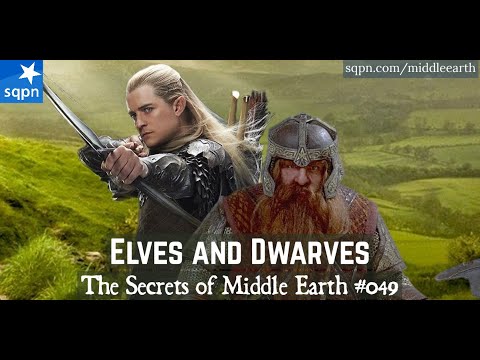
The conflict between Dwarves and Elves is a central theme in many fantasy stories, often representing a struggle between different cultures and values. The rivalry between these two species has been explored in various literary works, including The Lord of the Rings and The Hobbit. The influence of this conflict can be seen in modern fantasy works, such as Game of Thrones and The Witcher. As we examine the conflict between Dwarves and Elves, it becomes clear that their rivalry is more than just a simple conflict – it's a complex exploration of good vs evil and the nature of morality. The Dwarven-Elven Wars are just one example of the many conflicts that have shaped the history of these two species.
💡 Modern Interpretations and Reimaginings
Modern interpretations and reimaginings of Dwarves and Elves have led to a diverse range of representations in popular culture. From the Dwarves in film to the Elves in literature, these creatures have been reimagined and reinterpreted in countless ways. The influence of modern fantasy works, such as Game of Thrones and The Witcher, can be seen in the way that Dwarves and Elves are portrayed in popular culture. As we examine the modern interpretations and reimaginings of Dwarves and Elves, it becomes clear that their enduring fascination is a testament to the power of fantasy folklore to captivate and inspire audiences. The Fantasy Folklore genre has been shaped by the contributions of many authors, including J.R.R. Tolkien and C.S. Lewis.
📊 The Economics of Dwarven and Elven Societies
The economics of Dwarven and Elven societies are a fascinating aspect of fantasy folklore, often representing a complex interplay between different cultures and values. The Dwarven emphasis on craftsmanship and mining has led to the development of complex economic systems, including the Dwarven trade guilds. The Elven emphasis on magic and nature has led to the development of unique economic systems, including the Elven bartering system. As we examine the economics of Dwarven and Elven societies, it becomes clear that their unique cultural and economic systems have made them a valuable asset in many fantasy worlds. The Economics of Middle-earth are just one example of the many fascinating economic systems that have been developed in fantasy folklore.
🤝 Unlikely Alliances and Unresolved Tensions
Unlikely alliances and unresolved tensions between Dwarves and Elves are a common theme in fantasy folklore, often representing a complex exploration of good vs evil and the nature of morality. The alliance between the Dwarves and Elves in The Lord of the Rings is just one example of the many unlikely alliances that have been formed between these two species. The tensions between the Dwarves and Elves in Game of Thrones are just one example of the many unresolved tensions that continue to shape the history of these two species. As we examine the unlikely alliances and unresolved tensions between Dwarves and Elves, it becomes clear that their complex and often fraught relationship is a testament to the power of fantasy folklore to captivate and inspire audiences.
📚 Literary Works Featuring Dwarves and Elves
Literary works featuring Dwarves and Elves are a staple of fantasy folklore, often representing a complex exploration of good vs evil and the nature of morality. The works of J.R.R. Tolkien and C.S. Lewis are just a few examples of the many literary works that have featured Dwarves and Elves. The influence of these literary works can be seen in modern fantasy works, such as Game of Thrones and The Witcher. As we examine the literary works featuring Dwarves and Elves, it becomes clear that their enduring fascination is a testament to the power of fantasy folklore to captivate and inspire audiences. The Fantasy Literature genre has been shaped by the contributions of many authors, including J.R.R. Tolkien and C.S. Lewis.
🎥 Cinematic Representations of Dwarves and Elves
Cinematic representations of Dwarves and Elves are a common theme in fantasy folklore, often representing a complex exploration of good vs evil and the nature of morality. The cinematic representations of Dwarves and Elves in The Lord of the Rings and The Hobbit are just a few examples of the many cinematic representations that have been developed. The influence of these cinematic representations can be seen in modern fantasy works, such as Game of Thrones and The Witcher. As we examine the cinematic representations of Dwarves and Elves, it becomes clear that their enduring fascination is a testament to the power of fantasy folklore to captivate and inspire audiences. The Fantasy Films genre has been shaped by the contributions of many filmmakers, including Peter Jackson and Guillermo del Toro.
👥 Fandom and Community Engagement
Fandom and community engagement with Dwarves and Elves are a common theme in fantasy folklore, often representing a complex exploration of good vs evil and the nature of morality. The fandom surrounding The Lord of the Rings and The Hobbit is just one example of the many fandoms that have developed around Dwarves and Elves. The influence of these fandoms can be seen in modern fantasy works, such as Game of Thrones and The Witcher. As we examine the fandom and community engagement with Dwarves and Elves, it becomes clear that their enduring fascination is a testament to the power of fantasy folklore to captivate and inspire audiences. The Fantasy Fandom genre has been shaped by the contributions of many fans, including cosplayers and fan fiction authors.
🔮 The Future of Dwarves and Elves in Fantasy
The future of Dwarves and Elves in fantasy is a topic of much speculation and debate, with many authors and filmmakers continuing to explore the complex and often fraught relationship between these two species. The influence of modern fantasy works, such as Game of Thrones and The Witcher, can be seen in the way that Dwarves and Elves are portrayed in popular culture. As we examine the future of Dwarves and Elves in fantasy, it becomes clear that their enduring fascination is a testament to the power of fantasy folklore to captivate and inspire audiences. The Future of Fantasy genre has been shaped by the contributions of many authors and filmmakers, including J.R.R. Tolkien and C.S. Lewis.
Key Facts
- Year
- 1937
- Origin
- European Folklore and J.R.R. Tolkien's Middle Earth Legendarium
- Category
- Fantasy Folklore
- Type
- Mythological Species
Frequently Asked Questions
What is the origin of the rivalry between Dwarves and Elves?
The origin of the rivalry between Dwarves and Elves is rooted in ancient mythologies, where these creatures were often depicted as having distinct cultures and skills. The rivalry between Dwarves and Elves has been explored in various literary works, including The Lord of the Rings and The Hobbit. The influence of these mythologies can be seen in modern fantasy works, such as Game of Thrones and The Witcher.
What are the cultural significance of Dwarves and Elves?
Dwarves have a rich cultural significance in fantasy folklore, often representing a connection to the earth and a strong work ethic. Elves, on the other hand, have a mystical and otherworldly allure, often representing a connection to nature and magic. The cultural significance of Dwarves and Elves can be seen in various literary works, including The Lord of the Rings and The Silmarillion.
What are the economics of Dwarven and Elven societies?
The economics of Dwarven and Elven societies are a fascinating aspect of fantasy folklore, often representing a complex interplay between different cultures and values. The Dwarven emphasis on craftsmanship and mining has led to the development of complex economic systems, including the Dwarven trade guilds. The Elven emphasis on magic and nature has led to the development of unique economic systems, including the Elven bartering system.
What are the unlikely alliances and unresolved tensions between Dwarves and Elves?
Unlikely alliances and unresolved tensions between Dwarves and Elves are a common theme in fantasy folklore, often representing a complex exploration of good vs evil and the nature of morality. The alliance between the Dwarves and Elves in The Lord of the Rings is just one example of the many unlikely alliances that have been formed between these two species.
What is the future of Dwarves and Elves in fantasy?
The future of Dwarves and Elves in fantasy is a topic of much speculation and debate, with many authors and filmmakers continuing to explore the complex and often fraught relationship between these two species. The influence of modern fantasy works, such as Game of Thrones and The Witcher, can be seen in the way that Dwarves and Elves are portrayed in popular culture.