
Contents
- 🌏 Introduction to East Asian Financial Crisis
- 📊 Causes of the Crisis
- 📉 Economic Impact
- 🏦 Role of International Financial Institutions
- 📈 Recovery and Reforms
- 🤝 International Cooperation
- 📊 Lessons Learned
- 📈 Future Prospects
- 📊 Controversies and Criticisms
- 📊 Influence on Global Economy
- 📊 Conclusion
- Frequently Asked Questions
- Related Topics
Overview
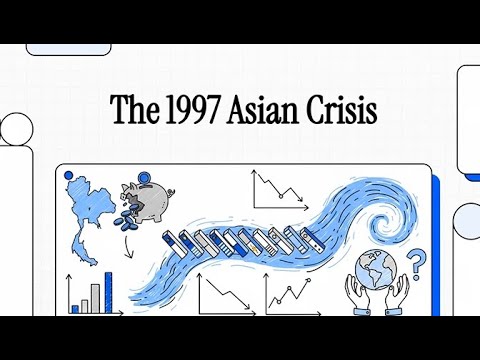
The East Asian financial crisis, which began in 1997, was a complex and multifaceted event that exposed deep-seated structural weaknesses in the economies of Thailand, Indonesia, South Korea, and other countries in the region. Triggered by a combination of factors, including large trade deficits, overvalued currencies, and excessive borrowing, the crisis led to a sharp decline in asset prices, a credit crunch, and a severe economic contraction. The crisis was further exacerbated by the lack of transparency and accountability in the financial systems of the affected countries, as well as the inadequate regulatory frameworks and international institutions that failed to prevent or mitigate the crisis. According to the International Monetary Fund (IMF), the crisis resulted in a significant decline in economic output, with GDP contracting by 10.5% in Indonesia, 6.7% in Thailand, and 5.8% in South Korea in 1998. The crisis also had a significant impact on the global economy, with many countries experiencing a decline in trade and investment. As noted by economist Joseph Stiglitz, the crisis highlighted the need for greater transparency and accountability in international financial institutions and the importance of robust regulatory frameworks to prevent similar crises in the future.
🌏 Introduction to East Asian Financial Crisis
The East Asian Financial Crisis, also known as the Asian Financial Crisis, was a period of financial crisis that affected several East Asian countries in 1997. It began in Thailand and soon spread to other countries, including Indonesia, Malaysia, and South Korea. The crisis was characterized by a sharp decline in the value of currencies, a sharp increase in interest rates, and a significant decline in economic output. The crisis was triggered by a combination of factors, including overinvestment in the real estate sector, corruption, and lack of regulation. The crisis had a significant impact on the global economy, with many countries experiencing a decline in trade and investment. The International Monetary Fund (IMF) played a key role in responding to the crisis, providing financial assistance to affected countries.
📊 Causes of the Crisis
The causes of the East Asian Financial Crisis were complex and multifaceted. One of the main causes was the overvaluation of currencies, which made exports from these countries uncompetitive. Another cause was the large current account deficits that many of these countries were running. The crisis was also triggered by a loss of investor confidence in the region, which led to a sharp decline in investment. The role of speculators was also significant, as they bet against the currencies of these countries, further exacerbating the crisis. The crisis was also linked to the Asian Tigers economic model, which was characterized by high levels of investment and growth, but also by inequality and instability.
📉 Economic Impact
The economic impact of the East Asian Financial Crisis was severe. The crisis led to a sharp decline in economic output, with many countries experiencing a recession. The crisis also led to a significant increase in unemployment and poverty. The crisis had a disproportionate impact on the poor and vulnerable, who were often the hardest hit by the crisis. The crisis also led to a significant decline in the value of currencies, which made imports more expensive and exacerbated the economic downturn. The World Bank estimated that the crisis led to a decline in economic output of over 10% in some countries. The crisis also had a significant impact on the global economy, with many countries experiencing a decline in trade and investment.
🏦 Role of International Financial Institutions
The role of international financial institutions, such as the IMF and the World Bank, was significant in responding to the East Asian Financial Crisis. The IMF provided financial assistance to affected countries, including Thailand, Indonesia, and South Korea. The IMF also provided technical assistance to help these countries implement economic reforms. The Asian Development Bank also played a key role in responding to the crisis, providing financial assistance and technical support to affected countries. The crisis highlighted the need for greater international cooperation and the importance of having effective international financial institutions.
📈 Recovery and Reforms
The recovery and reforms that followed the East Asian Financial Crisis were significant. Many countries implemented economic reforms, including fiscal reforms and monetary reforms. The crisis also led to a significant increase in regional cooperation, with the establishment of the ASEAN+3 framework. The crisis also led to a significant increase in domestic savings and a decline in current account deficits. The China economy also played a significant role in the recovery, with China's economic growth helping to drive regional growth. The crisis highlighted the importance of having effective economic institutions and the need for greater regional cooperation.
🤝 International Cooperation
The East Asian Financial Crisis highlighted the importance of international cooperation in responding to financial crises. The crisis led to a significant increase in cooperation between countries, including the establishment of the G20 framework. The crisis also led to a significant increase in cooperation between international financial institutions, including the IMF and the World Bank. The crisis highlighted the need for greater cooperation and coordination in responding to financial crises, and the importance of having effective international financial institutions. The United States also played a significant role in responding to the crisis, providing financial assistance and technical support to affected countries.
📊 Lessons Learned
The lessons learned from the East Asian Financial Crisis are significant. The crisis highlighted the importance of having effective economic institutions and the need for greater regional cooperation. The crisis also highlighted the need for greater transparency and accountability in economic policy-making. The crisis also led to a significant increase in the use of macroprudential policies to mitigate the risks of financial crises. The crisis highlighted the importance of having a robust and effective financial regulatory framework, and the need for greater cooperation and coordination between countries in responding to financial crises. The European Union also learned significant lessons from the crisis, including the importance of having a robust and effective financial regulatory framework.
📈 Future Prospects
The future prospects for the East Asian region are significant. The region is expected to continue to grow and develop, driven by the growth of China and other emerging economies. The region is also expected to play a significant role in global trade and investment, with many countries in the region having signed free trade agreements. The crisis highlighted the need for greater regional cooperation and the importance of having effective economic institutions. The region is also expected to face significant challenges, including the need to address income inequality and environmental degradation. The Japan economy is also expected to play a significant role in the region, with Japan being a significant investor in the region.
📊 Controversies and Criticisms
The East Asian Financial Crisis was also marked by controversies and criticisms. The crisis was criticized for being mishandled by international financial institutions, including the IMF. The crisis was also criticized for being exacerbated by the role of speculators. The crisis was also marked by significant social and political unrest, with many countries experiencing protests and demonstrations. The crisis highlighted the need for greater transparency and accountability in economic policy-making, and the importance of having effective economic institutions. The Korea economy was also criticized for being vulnerable to external shocks, and the need for greater economic reforms.
📊 Influence on Global Economy
The East Asian Financial Crisis had a significant impact on the global economy. The crisis led to a decline in trade and investment, and a significant increase in protectionism. The crisis also led to a significant increase in global inequality, with many countries experiencing a decline in economic output and an increase in poverty. The crisis highlighted the need for greater international cooperation and the importance of having effective international financial institutions. The crisis also led to a significant increase in the use of macroprudential policies to mitigate the risks of financial crises. The Singapore economy was also affected by the crisis, with Singapore experiencing a decline in trade and investment.
📊 Conclusion
In conclusion, the East Asian Financial Crisis was a significant event that highlighted the importance of having effective economic institutions and the need for greater regional cooperation. The crisis led to a significant decline in economic output and an increase in poverty, but also led to significant reforms and a greater emphasis on regional cooperation. The crisis highlighted the need for greater transparency and accountability in economic policy-making, and the importance of having a robust and effective financial regulatory framework. The crisis also led to a significant increase in the use of macroprudential policies to mitigate the risks of financial crises. The Hong Kong economy was also affected by the crisis, with Hong Kong experiencing a decline in trade and investment.
Key Facts
- Year
- 1997
- Origin
- Thailand
- Category
- Economics
- Type
- Economic Event
Frequently Asked Questions
What was the main cause of the East Asian Financial Crisis?
The main cause of the East Asian Financial Crisis was a combination of factors, including overinvestment in the real estate sector, corruption, and lack of regulation. The crisis was also triggered by a loss of investor confidence in the region, which led to a sharp decline in investment.
Which countries were most affected by the crisis?
The countries most affected by the crisis were Thailand, Indonesia, Malaysia, and South Korea. These countries experienced a significant decline in economic output, a sharp increase in interest rates, and a significant decline in the value of their currencies.
What was the role of international financial institutions in responding to the crisis?
International financial institutions, such as the IMF and the World Bank, played a significant role in responding to the crisis. The IMF provided financial assistance to affected countries, while the World Bank provided technical assistance to help these countries implement economic reforms.
What were the main lessons learned from the crisis?
The main lessons learned from the crisis were the importance of having effective economic institutions, the need for greater regional cooperation, and the importance of having a robust and effective financial regulatory framework. The crisis also highlighted the need for greater transparency and accountability in economic policy-making.
How did the crisis affect the global economy?
The crisis had a significant impact on the global economy, leading to a decline in trade and investment, and a significant increase in protectionism. The crisis also led to a significant increase in global inequality, with many countries experiencing a decline in economic output and an increase in poverty.
What is the current state of the East Asian economy?
The current state of the East Asian economy is significant, with many countries in the region experiencing high levels of growth and development. The region is expected to continue to grow and develop, driven by the growth of China and other emerging economies. However, the region is also expected to face significant challenges, including the need to address income inequality and environmental degradation.
What is the role of China in the East Asian economy?
China plays a significant role in the East Asian economy, with China being a major trading partner for many countries in the region. China's economic growth has also helped to drive regional growth, and China is expected to continue to play a significant role in the region's economy in the future.